Driving in Rain
Essential techniques for safe driving on wet roads
WeatherMedium Risk
Rainy conditions significantly affect road safety, reducing visibility and tire grip. Understanding how to adapt your driving style can prevent accidents and keep you safe during wet weather.
Why This Matters
Rain is involved in a significant percentage of weather-related accidents. Wet roads can double your stopping distance, and standing water creates aquaplaning risks. Proper technique is essential.
Key Actions to Take
- Reduce your speed by at least 10-20% compared to dry conditions
- Increase following distance to 4-6 seconds instead of the usual 2-3
- Turn on your headlights (dipped beam) for better visibility
- Avoid sudden braking or sharp steering movements
- Stay in the middle lanes where water pools less
- Watch for spray from other vehicles reducing visibility
Do
- Use windshield wipers at appropriate speed
- Brake gently and progressively
- Keep both hands on the steering wheel
- Stay alert for pedestrians with umbrellas
Don't
- Drive through flooded areas
- Use cruise control in wet conditions
- Follow other vehicles too closely
- Make sudden lane changes
Pro Tips
- Check your tire tread depth regularly - worn tires greatly reduce wet grip
- If you start to aquaplane, ease off the accelerator and do not brake
- Avoid driving in heavy rain if possible - wait for it to ease
Test your judgement
Reading about it is not the same as reacting to it. Try ten real questions.
Question 1 of 10
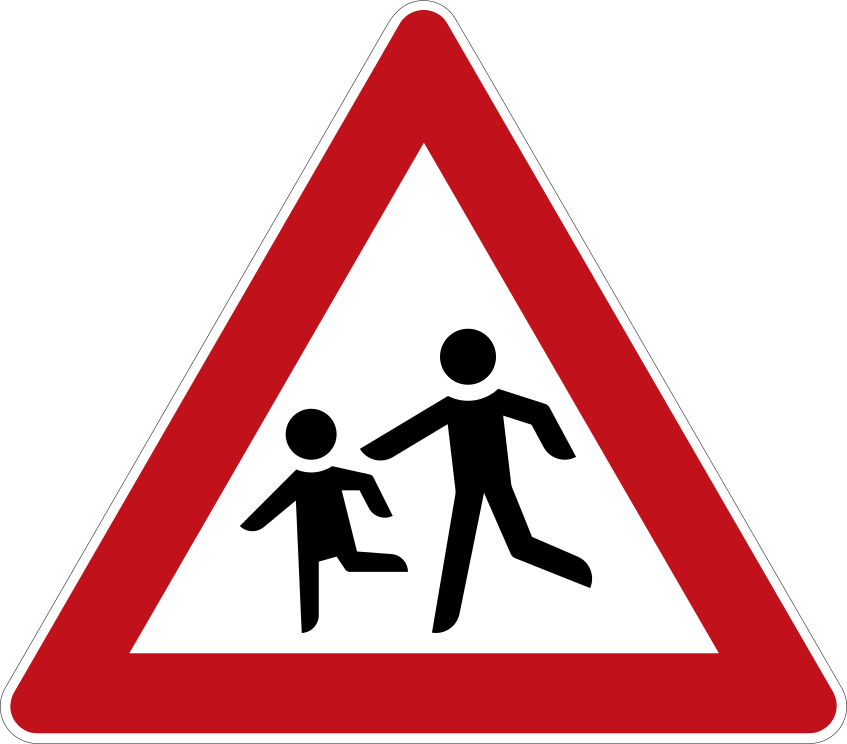
What does this warning triangle showing two children running mean?
Practice Your Hazard Perception
Put your knowledge into practice with our interactive hazard perception training.
Start TrainingRelated Scenarios
Practice Your Hazard Perception
Put your knowledge into practice with our interactive hazard perception training.
Start Training