Theory Test Study Plan
A structured approach to cover all topics and build confidence
Theory TestBeginner2 min read
In This Guide 1/9
Preparation without a plan is just wishful thinking. This structured study plan breaks down your theory test preparation into manageable daily tasks over four weeks, ensuring you cover all topics thoroughly while building towards peak performance on test day.
Week 1: Foundations
- Days 1-2
- Road signs introduction - learn the shape and color meanings.
- Days 3-4
- Regulatory signs (stop, yield, speed limits).
- Days 5-6
- Warning signs and their meanings.
- Day 7
- First practice test to establish baseline. Study 45 minutes daily.
- End of week
- you should recognize 80% of common signs.
Week 2: Core Knowledge
- Days 1-2
- Traffic lights and junction rules.
- Days 3-4
- Right-of-way and priority rules.
- Days 5-6
- Stopping distances and speed regulations.
- Day 7
- Practice test focusing on Week 1-2 material. Aim for 30-40 minute study sessions plus 15 minutes review. Your practice scores should be improving.
Week 3: Advanced Topics
- Days 1-2
- Rules for high-speed and divided highways - the name changes from country to country (motorway, freeway, autoroute, autopista) but the core rules mostly don't.
- Days 3-4
- Vulnerable road users (pedestrians, cyclists, motorcyclists).
- Days 5-6
- Vehicle safety checks and documents.
- Day 7
- Full practice test under timed conditions. This week focuses on detail - take notes on tricky concepts.
Week 4: Hazard Perception and Anticipation
- Days 1-3
- Introduction to spotting developing hazards; if your country's test includes video clips, practice them daily.
- Days 4-5
- Intensive hazard practice.
- Day 6
- Final full practice test - aim to finish comfortably clear of your own country's pass mark, not level with it.
- Day 7
- Light review only, rest well. By now you should be clearing the threshold consistently rather than occasionally.
Daily Study Structure
Each study session should follow this structure: 5 minutes reviewing yesterday's material, 30 minutes learning new content, 10 minutes practice questions on today's topic, 5 minutes previewing tomorrow's topic. Keep a notebook for difficult concepts. End each session by rating your confidence 1-10.
Key Takeaways
- Consistent daily study of 45-60 minutes is more effective than irregular long sessions
- Track your progress weekly with practice tests to identify weak areas
- Build in review time - don't just push forward without consolidating
- Dedicate the final week primarily to hazard anticipation - and to clip practice if your test includes it
Try it now
You have just read the traps. See how many you would still miss.
Question 1 of 10
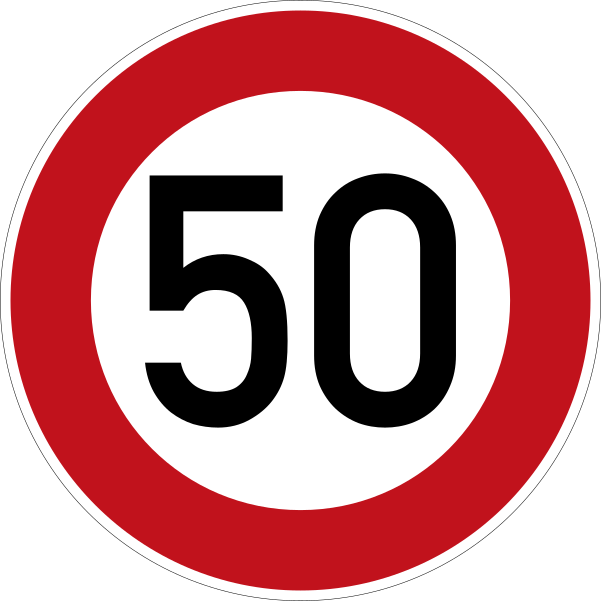
What does this red circle with the number 50 inside mean?
Pro Tips
- Study at the same time each day to build a habit
- Use your commute time for audio learning or reviewing flashcards
- Join a study group or find a study buddy for motivation
- Reward yourself for hitting weekly milestones to stay motivated
Common Mistakes to Avoid
- Trying to cover everything in the final week before the test
- Skipping rest days - your brain needs time to consolidate learning
- Not adjusting the plan based on your progress and weak areas
AutoviaTest Editorial Team
Driving Education Experts
Related Guides
Ready to test what you just read?
Free to start — no card, no signup to try.
Take a free practice test