Common Test Mistakes
Learn from others' mistakes to avoid making your own
Practical TestIntermediate2 min read
In This Guide 1/11
Understanding why people fail their driving test helps you avoid the same pitfalls. Analysis of test results reveals consistent patterns of errors. This guide highlights the most common mistakes and, more importantly, how to prevent them.
Observation Failures
The most common serious error is inadequate observation at junctions. Looking doesn't equal seeing - you must actually process what's there. Take time at junctions to look effectively. Check blind spots before changing lanes or moving off. Effective observation is active, not passive.
Mirror Mistakes
Not checking mirrors before signaling, changing speed, or changing direction is a consistent fault. Develop the habit of mirror-signal-maneuver. Check interior mirror then relevant door mirror. Make mirror checks obvious but natural - exaggerated head movements look fake.
Junction Problems
Emerging too fast, not giving way correctly, wrong positioning on approach, inappropriate speed for conditions - junctions concentrate faults. Approach at a speed that allows you to stop. Position correctly early. Give way when required. Don't assume others will stop.
Speed Errors
Both too fast and too slow cause problems. Exceeding limits is serious. But driving significantly below limits without reason can impede traffic. Match your speed to conditions - limits are maximums, not targets. In built-up areas with hazards, slower is safer.
Steering Issues
Late steering into turns, wandering in lane, poor positioning, and crossing white lines are common. Look where you want to go - your hands follow your eyes. Keep both hands on the wheel except when changing gear. Stay in the center of your lane.
Maneuver Mistakes
Poor observation during maneuvers is the most common issue - not the maneuver execution itself. Keep checking all around throughout. Don't rush. If you touch a curb or need extra corrections, stay calm and continue safely. Control and observation matter most.
Response to Road Signs
Missing signs, misunderstanding them, or responding incorrectly all cause faults. Actively scan for signs. Know what they mean and respond appropriately. Speed limit changes require prompt response. Give way and stop signs are mandatory - no exceptions.
Key Takeaways
- Junction observation failures are the number one reason for test failure
- Mirror checks must happen before any change in speed, direction, or signaling
- Maneuver failures are usually about observation, not the maneuver technique itself
- Active scanning for road signs prevents response errors
Try it now
You have just read the traps. See how many you would still miss.
Question 1 of 10
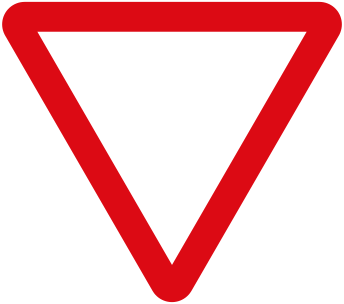
What does this inverted-triangle sign require you to do?
Pro Tips
- Practice junction approaches specifically - pause and look properly
- Make mirror checks a subconscious habit through constant practice
- Verbalize your observations during practice ("car approaching, waiting...")
- Ask your instructor which faults they see most - target your weaknesses
Common Mistakes to Avoid
- Thinking "I looked" when you didn't actually see and process what was there
- Rushing through junctions because they feel slow
- Focusing so much on maneuver technique that you forget observations
AutoviaTest Editorial Team
Driving Education Experts
Related Guides
Ready to test what you just read?
Free to start — no card, no signup to try.
Take a free practice test