Spotting Developing Hazards
Advanced techniques for early hazard detection
Hazard PerceptionAdvanced2 min read
In This Guide 1/10
The difference between novice and expert drivers often comes down to hazard perception. Expert drivers spot hazards earlier because they've learned to read the road environment and anticipate problems. This guide helps you develop these advanced perception skills.
Reading the Road Environment
Every road environment contains clues about potential hazards. A school nearby means children. Parked cars might have opening doors. Bus stops have pedestrians crossing. Ice cream vans attract running children. Train your brain to automatically connect environmental features with likely hazards.
Pedestrian Behavior Patterns
Pedestrians are the most common hazard. Look for: people at curb edges, pedestrians looking at their phones, children playing near roads, elderly or disabled pedestrians moving slowly, groups at crossings. When you see pedestrians, assume they might step out.
Vehicle Movement Clues
Vehicles give subtle clues before they become hazards. Wheel movement indicates turning. Brake lights mean slowing. Indicator signals show intention. Vehicles edging forward might pull out. Delivery vehicles stop suddenly. Learn to spot these early warning signs.
Junction Awareness
Junctions are high-hazard areas. Scan all entry points. Watch for vehicles that might not stop. Anticipate vehicles turning across your path. Look for pedestrians crossing at corners. The more complex the junction, the more threats to scan for.
Weather and Visibility Factors
Conditions affect hazard likelihood. Rain creates spray, glare, and longer stopping distances. Sun glare can blind you and other drivers. Fog hides hazards until the last moment. Adjust your scanning distance based on conditions.
Developing Anticipation Skills
True hazard perception is anticipation. Ask "what could go wrong here?" constantly. Imagine other road users making mistakes. Plan your response before it's needed. This mental preparation means faster reaction when hazards actually develop.
Key Takeaways
- Environmental clues predict hazards - schools mean children, pubs mean pedestrians
- Watch for early warning signs: wheel movement, brake lights, body language
- Junctions concentrate hazards - scan all entry points and anticipate conflicts
- Continuously ask "what could go wrong here?" to stay mentally prepared
Try it now
You have just read the traps. See how many you would still miss.
Question 1 of 10
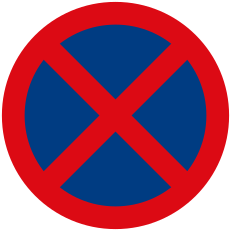
What does this blue sign with a red border and two red diagonals mean?
Pro Tips
- Practice hazard commentary while being a passenger - verbalize potential dangers
- Study accident statistics to understand where hazards most commonly occur
- Watch the body language of pedestrians for clues about their intentions
- Create mental hazard checklists for common scenarios (junctions, schools, crossings)
Common Mistakes to Avoid
- Focusing only on the vehicle directly ahead instead of scanning the whole scene
- Ignoring environmental clues that predict hazards
- Reacting to hazards rather than anticipating them
AutoviaTest Editorial Team
Driving Education Experts
Related Guides
Ready to test what you just read?
Free to start — no card, no signup to try.
Take a free practice test