Hazard Perception Scoring
Understand the scoring system to maximize your points
Hazard PerceptionIntermediate2 min read
In This Guide 1/9
Where your country's theory test includes a hazard perception section, understanding how it is scored is essential to getting a good mark. Many candidates lose points not because they can't spot hazards, but because they don't understand the timing required. This guide demystifies the scoring logic; the exact numbers are national, so read them off your own country's test page.
The Points System
Each hazard has a scoring window that opens when the hazard begins to develop and closes when action is required. Click inside that window and you score; the earlier you click, the more you get, with the maximum reserved for the earliest credible response. Early detection = more points. How wide the scale runs and where the pass mark sits differ by country, so look those figures up on your own country's test page instead of assuming.
Timing is Everything
The key insight is that the scoring window opens before the hazard is obvious. If you wait until you're certain, you've likely missed the high-scoring part of the window. Train yourself to click at the first sign of potential danger. Being slightly early is better than being late.
Multiple Clicks Strategy
While you can click multiple times, there's an anti-cheating system. If you click in a pattern or too frequently, the system may invalidate your clicks for that hazard. The ideal approach is 1-2 well-timed clicks when you genuinely see a hazard developing. Never click randomly.
Clips With More Than One Hazard
In some systems at least one clip contains more than one scoreable hazard. Treat every clip as if it might - once you have identified a hazard, keep scanning instead of relaxing. Any additional hazard follows the same scoring rules as the first. Assuming one hazard per clip and switching off after it is a common way to lose points.
Analyzing Your Practice Scores
When practicing, review where your clicks landed relative to the scoring window. If you consistently score 0-2 points, you're clicking too late. If some clips show no score, you may be missing hazards or clicking in invalid patterns. Adjust your technique based on feedback.
Key Takeaways
- The scoring window opens when the hazard begins developing, not when obvious
- Early clicks score higher than late ones - the size of the scale itself is set by your country
- Pattern clicking or spam clicking results in zero points for that hazard
- A clip may hold more than one hazard - stay alert right through every clip
Try it now
You have just read the traps. See how many you would still miss.
Question 1 of 10
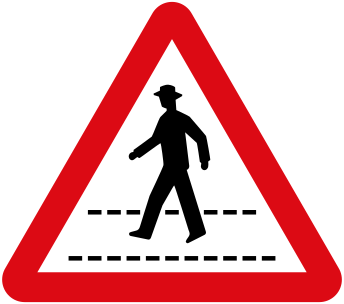
What does this blue square sign showing a person on a zebra crossing mean?
Pro Tips
- Aim to click within the first third of the scoring window for maximum points
- Practice with official clips that show you the scoring window after completion
- If you're consistently scoring 1-2 points per hazard, work on earlier detection
- Watch your practice clip scores to identify timing issues
Common Mistakes to Avoid
- Waiting until you're absolutely certain - by then you've missed high-scoring opportunities
- Clicking frantically out of panic rather than responding to genuine hazards
- Assuming there is only one hazard per clip and relaxing after spotting the first
AutoviaTest Editorial Team
Driving Education Experts
Related Guides
Ready to test what you just read?
Free to start — no card, no signup to try.
Take a free practice test