
Free
FreeHUF 0
- 2 full mock tests
- Sample practice questions
- Road signs guide
 Practice test
Prepare for Hungary’s Transport Authority Examination Center (KAV) Category B KRESZ theory exam with 2026 practice tests. 55 questions (10 three-point scenarios + 45 one-point items), needing 65/75 points in 55 minutes.
Aligned with the official KAV KRESZ syllabus · Updated for 2026
On which side of the road do vehicles drive in Hungary?
Try 5 sample practice questions modeled on the KAV exam. No sign-up needed.
The driving test in Hungary is a moderate system globally, scoring 59/100 on our Driving Test Index.
Its 86.7% theory pass mark ranks #30 of 63 countries for strictness.
Its zero-tolerance alcohol limit ranks #5 of 68 for strictness.
Hungary’s Category B driving theory exam is conducted at KAV examination centers and pairs 45 single-point knowledge questions with 10 high-weight 3-point traffic scenarios.
Hungary’s KAV theory exam pairs 45 standard questions with 10 high-weight traffic scenarios, giving roughly 1 minute per question.
10 three-point scenario questions (30 pts) plus 45 one-point standard items (45 pts) in 55 minutes.
You must earn at least 65 out of 75 total points to pass the Category B KRESZ exam.
Official KAV theory exam fee (separate from 12,200 HUF practical exam and 4,000 HUF card fees).
Because the 10 three-point scenario items make up 30 of the 75 available points, missing four 3-point items already drops your maximum possible score to 63/75, below the 65-point pass bar.
Category B KRESZ exams are open from age 17 at authorized KAV examination centers.
Key rules and regulations you need to know for your theory test.
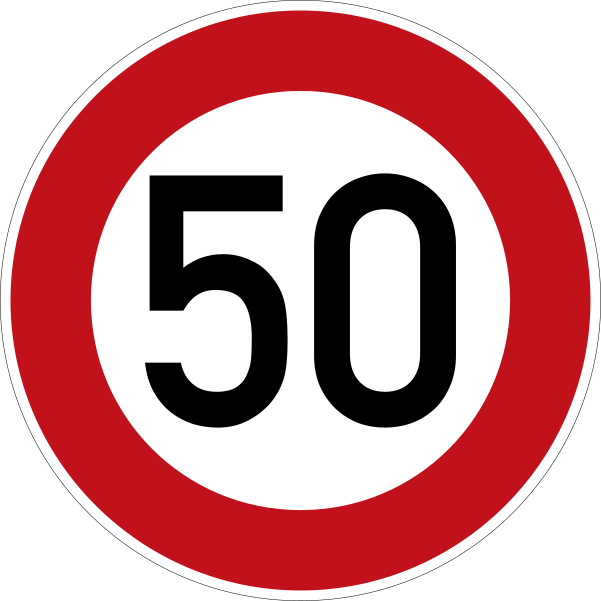 Urban areas
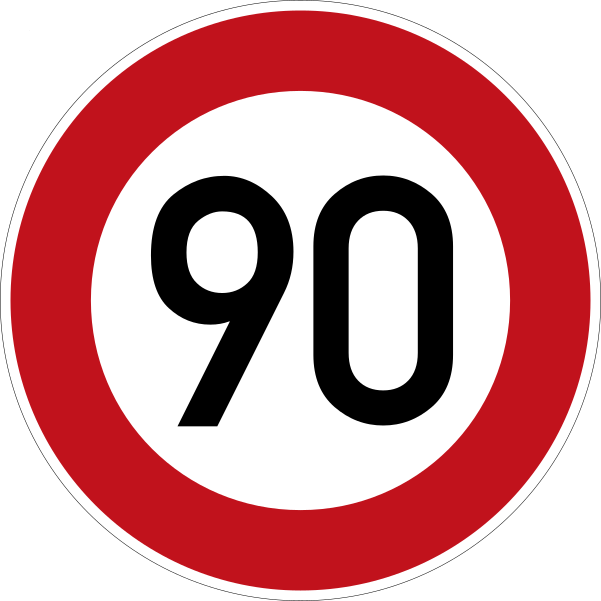 Rural roads
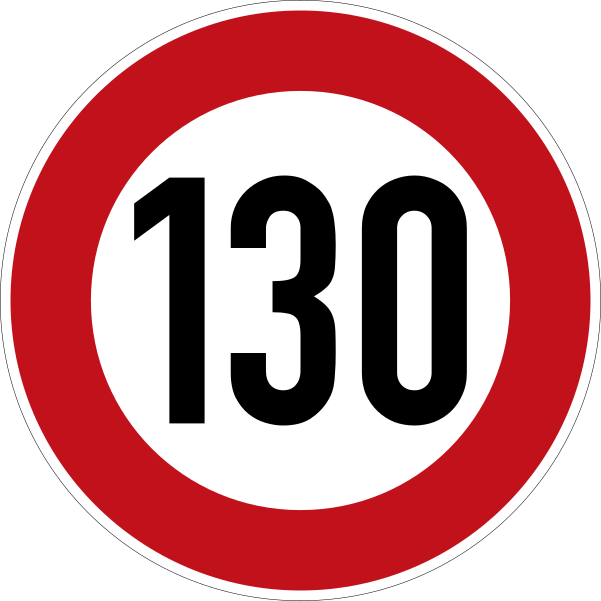 Highways
Ready to practice for your Hungary KRESZ test?
Start free today with 2 full 55-question mock tests and clear explanations of Hungarian traffic rules.
Select a vehicle category to inspect verified minimum ages, vehicle scope, and official theory test requirements.
Practical exam fee is 12,200 HUF and license card issuance is 4,000 HUF at government offices.
Hungary requires 86.7% to pass (#30 strictest out of 63 countries with comparable pass-mark percentages, higher than or equal to 34 countries).
| Country | Exam format | Pass bar |
|---|---|---|
| 30 Qs · 29/30 | 96.7% | |
HungaryThis page | 55 Qs · 65/75 | 86.7% |
| 25 Qs · 43/50 | 86% | |
| 50 Qs · 43/50 | 86% | |
| 50 Qs · 35/50 | 70% |
Learn all the road signs you need to know
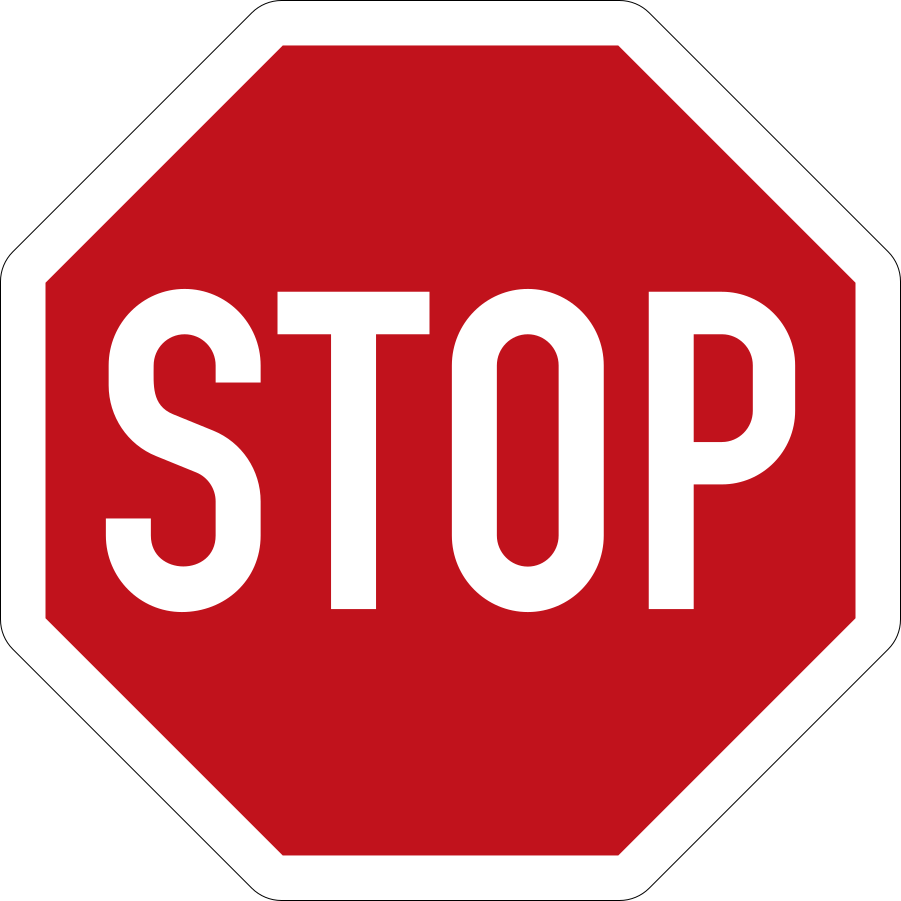 Stop
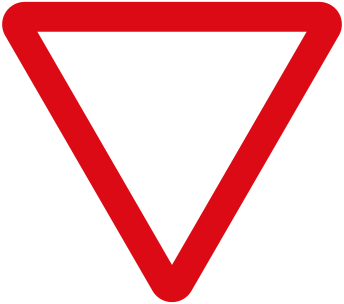 Give way
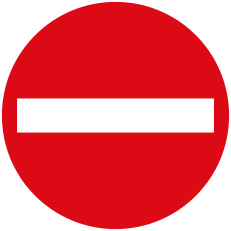 No entry
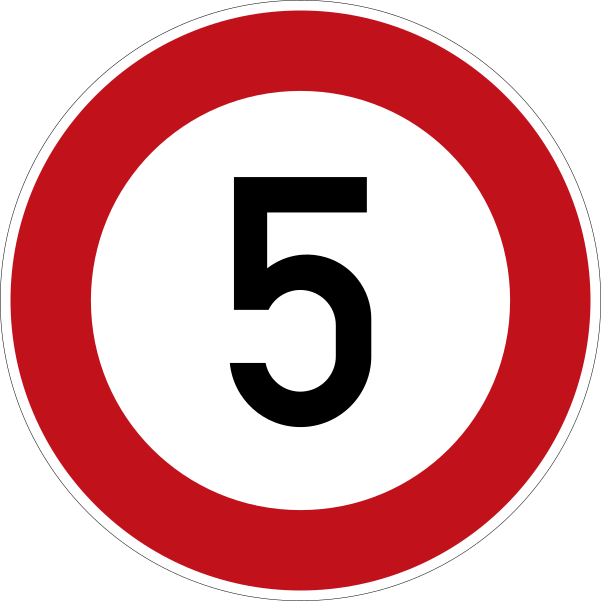 Speed limit 5
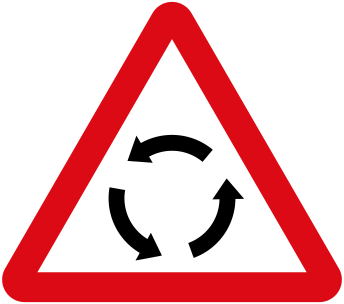 Roundabout ahead
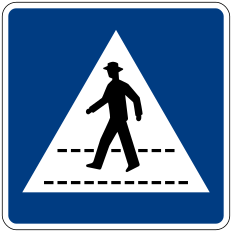 Pedestrian crossing
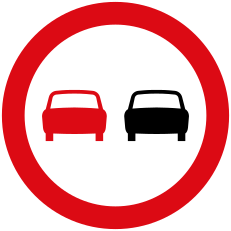 No overtaking
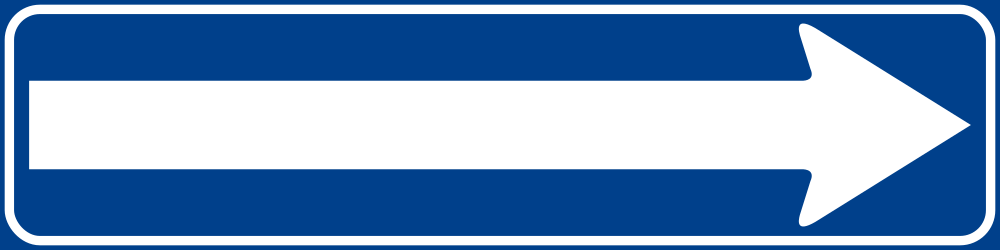 One way traffic arrow
Step-by-step guides that show you what to do at tricky junctions, roundabouts and crossings.
Pick your country to get mock exams, road signs, and rules matched to your local driving authority.
Get started freeStart free: your first 2 mock tests and starter lessons cost nothing.
Mock exams, road signs, and traffic rules match your country's official syllabus.
Timed mock tests built around your country's syllabus, so nothing surprises you on test day.
See which topics cost you points, so you know exactly what to review next.
Short guides on stopping distances, night driving and emergencies: knowledge you keep long after the test.
Short, practical guides for everything outside the rulebook, from dashboard lights to test-day nerves.
Includes progress tracking and a readiness certificate once you're consistently passing.
Start free with local mock exams, and upgrade only if you need unlimited practice.
Start free today with 2 full 55-question mock tests and clear explanations of Hungarian traffic rules.
Free to start · Premium from HUF 1,990/month
Hungary’s KAV Category B exam lasts 55 minutes and contains 10 three-point traffic scenario questions (30 points) plus 45 one-point questions (45 points) for 75 points total. You need at least 65 out of 75 points to pass.
The statutory KAV theory exam fee is 5,100 HUF, separate from driving-school tuition. The official practical driving exam costs 12,200 HUF and the driving license card issuance fee is 4,000 HUF.
Candidates in Hungary can sit the Category B KRESZ theory test from age 17 after registering through a driving school. A Category B license is valid for 10 years, with more frequent medical renewals starting from age 40.
You need a valid ID card or passport, a medical fitness certificate, a passport photo, and a training completion certificate from your accredited driving school.
Expect questions on the 0.0 g/L zero-tolerance alcohol limit, right-hand priority at unmarked intersections, tram priority in all situations, year-round daytime running lights outside built-up areas, and 50/90/130 km/h speed limits.