Pass Your Theory Test First Time
Proven techniques for covering the syllabus without guesswork
Theory TestBeginner2 min read
In This Guide 1/10
Passing your theory test on the first attempt is absolutely achievable with the right preparation. This guide shares the strategies that successful candidates consistently use, helping you avoid common pitfalls and build the confidence you need to pass first time.
Set Realistic Goals
Begin by looking up exactly what score you need in your own country - the question count and the pass mark are on its test page - and then set your practice target above it. Whatever the official threshold, aim to clear it by a comfortable margin every time in practice rather than scraping it once. That buffer absorbs exam nerves and the handful of questions that turn out harder than average. Track your progress weekly and adjust your study focus based on weak areas.
Master the Essentials First
Some topics appear more frequently than others. Focus first on road signs (they're everywhere in the test), stopping distances and speed limits, right-of-way and junction rules, and basic vehicle checks. Once you've mastered these foundations, move to less common topics.
Practice Test Strategy
Take practice tests regularly but strategically. Start with untimed tests to learn the material. Progress to timed tests to build speed. Review every wrong answer in detail. Keep a log of topics you struggle with. Aim to complete at least 20 full practice tests before your exam.
Memory Techniques That Work
Use mnemonics for stopping distances and other numerical facts. Create mental associations for road sign meanings. Study in different locations to strengthen memory encoding. Teach concepts to others - explaining helps solidify understanding. Use spaced repetition for long-term retention.
Managing Test Anxiety
Some anxiety is normal and can even help performance. Practice deep breathing techniques before and during the test. Visualize yourself succeeding. Arrive early to settle in. Remember that you can retake the test if needed - this reduces pressure. Trust in your preparation.
The Day Before and Day Of
The night before, do a light review only - no intensive studying. Get 7-8 hours of sleep. On test day, eat a balanced breakfast. Review your identification requirements. Leave plenty of time for travel. Stay off your phone to keep focus. Enter the test center calm and confident.
Key Takeaways
- Set your practice target above the pass mark to account for exam pressure
- Focus on high-frequency topics first: signs, stopping distances, right-of-way
- Complete at least 20 full practice tests before your exam
- Manage anxiety through preparation and breathing techniques
Try it now
You have just read the traps. See how many you would still miss.
Question 1 of 10
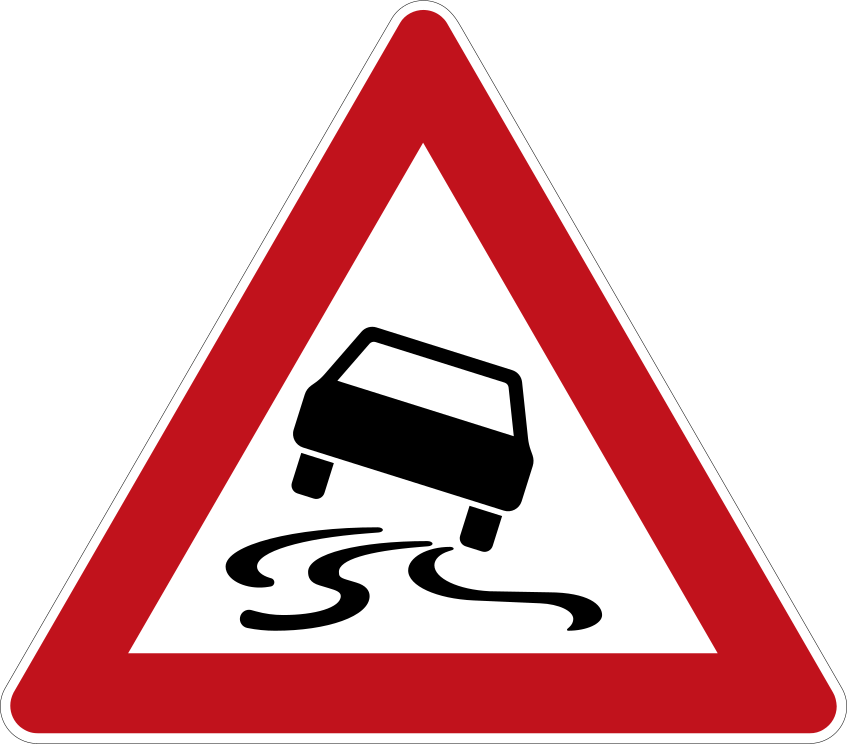
What does this warning sign showing a car with skid marks mean?
Pro Tips
- Review wrong answers immediately after each practice test while fresh
- Study in short sessions of 30-45 minutes for better retention
- Take a practice test in the morning when your mind is fresh - this mimics test conditions
- Teach a friend or family member what you've learned to reinforce knowledge
Common Mistakes to Avoid
- Booking the test before completing adequate preparation
- Focusing only on practice tests without understanding underlying concepts
- Leaving the hazard perception or video section, if your test has one, until the last minute
AutoviaTest Editorial Team
Driving Education Experts
Related Guides
Ready to test what you just read?
Free to start — no card, no signup to try.
Take a free practice test