Aquaplaning
When tires lose contact with the road
Road conditionsCritical Risk
Aquaplaning (hydroplaning) occurs when tires ride on top of water rather than the road surface. During aquaplaning, you have virtually no control over steering or braking until contact is restored.
Why This Matters
Aquaplaning can happen suddenly with no warning. Worn tires, excessive speed, and standing water dramatically increase the risk. Knowing the correct response is critical.
Key Actions to Take
- Maintain good tire tread (minimum 3mm for wet conditions)
- Reduce speed in wet conditions
- Avoid standing water and flooded lanes
- If aquaplaning starts, ease off the accelerator
- Do NOT brake - keep the wheel straight
Do
- Check tire pressures and tread regularly
- Follow tire tracks of vehicles ahead
- Look ahead for standing water
- Keep a firm, steady grip on the wheel
Don't
- Brake hard during aquaplaning
- Make sudden steering inputs
- Speed through standing water
- Use cruise control in wet conditions
Important Warning
When aquaplaning, resist the urge to brake or steer sharply. Hold the wheel steady, ease off the gas, and wait for the tires to regain contact - this usually takes only seconds.
Pro Tips
- Aquaplaning risk increases dramatically above 80km/h
- When you feel the steering go light, you may be aquaplaning
- Quality tires with good tread resist aquaplaning better
Test your judgement
Reading about it is not the same as reacting to it. Try ten real questions.
Question 1 of 10
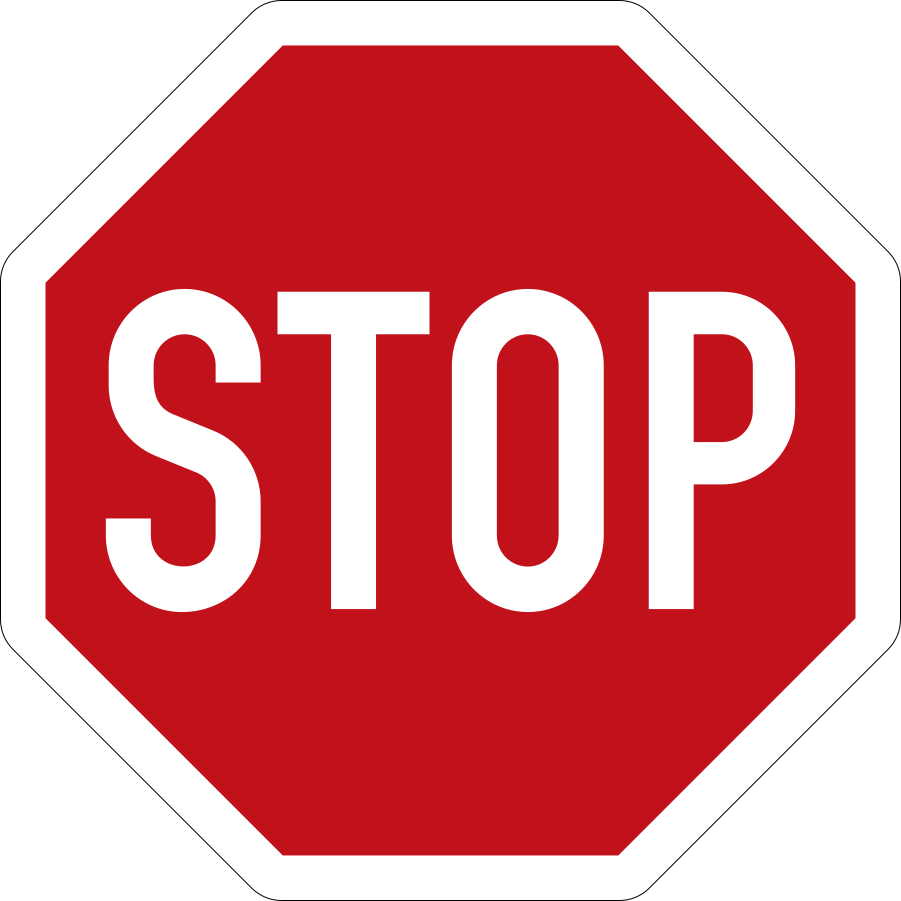
You see this octagonal red sign at an intersection. What must you do?
Practice Your Hazard Perception
Put your knowledge into practice with our interactive hazard perception training.
Start TrainingRelated Scenarios
Practice Your Hazard Perception
Put your knowledge into practice with our interactive hazard perception training.
Start Training