Emergency Braking
Stop in the shortest possible distance
EmergenciesCritical Risk
Emergency braking is a critical skill you hope to never need but must master. In an emergency, the correct technique can mean the difference between a close call and a collision.
Why This Matters
Most drivers have never experienced maximum braking. Understanding your vehicle's capabilities and how to use them could save your life in a split-second emergency.
Key Actions to Take
- Apply maximum brake pressure immediately
- Keep the wheel straight if possible
- With ABS, maintain full pressure (do not pump)
- Without ABS, apply firm pressure just short of lockup
- Look where you want to go, not the hazard
Do
- Know if your car has ABS
- Practice emergency stops in a safe area
- Keep your car's brakes maintained
- Stay alert to anticipate emergencies
Don't
- Pump ABS brakes
- Swerve while braking hard if possible
- Hesitate - every meter counts
- Take foot off brake until fully stopped
Important Warning
In an emergency, do not try to select between braking and steering. If you must brake, brake hard. If you must steer, try not to brake simultaneously.
Pro Tips
- ABS makes a pulsing noise and pedal feel - this is normal
- Threshold braking (for non-ABS) requires practice
- Your first emergency stop should not be your first ever
Test your judgement
Reading about it is not the same as reacting to it. Try ten real questions.
Question 1 of 10
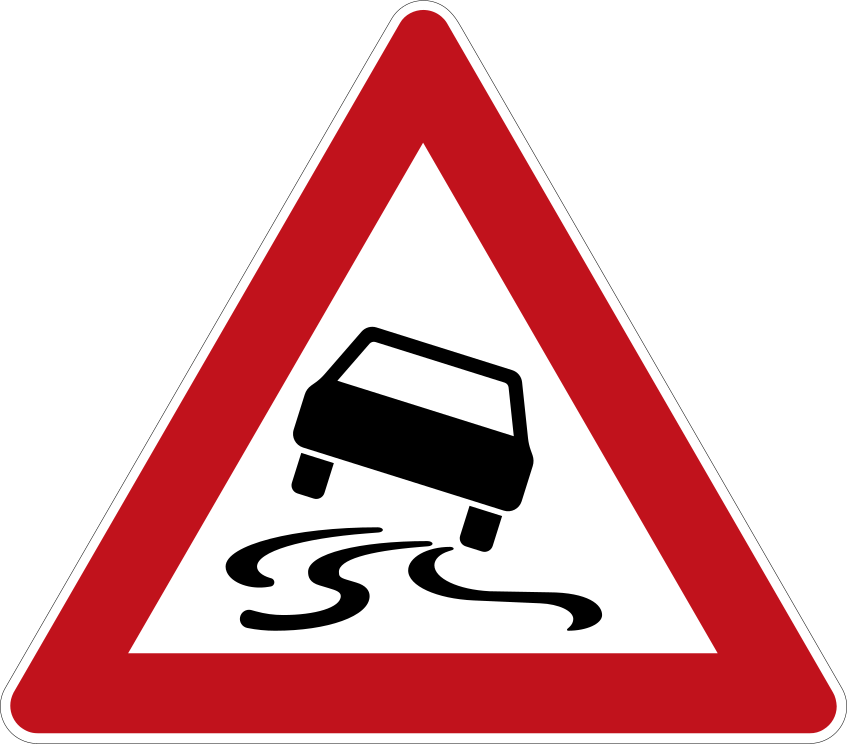
What does this warning sign showing a car with skid marks mean?
Practice Your Hazard Perception
Put your knowledge into practice with our interactive hazard perception training.
Start TrainingRelated Scenarios
Practice Your Hazard Perception
Put your knowledge into practice with our interactive hazard perception training.
Start Training