Reduced Visibility
Navigate safely when you cannot see clearly
VisibilityHigh Risk
Reduced visibility occurs in many forms: fog, heavy rain, snow, dust storms, or smoke. The fundamental principle remains: never drive faster than conditions allow you to stop safely.
Why This Matters
In low visibility, hazards appear with little warning. Your speed must match your ability to see, react, and stop. This simple rule prevents countless accidents.
Key Actions to Take
- Reduce speed to match visibility distance
- Turn on appropriate lights (dipped beam, fog lights)
- Increase following distance significantly
- Use road markings as navigation guides
- Be ready to stop if conditions worsen
- Consider delaying or stopping if visibility is too poor
Do
- Use all available visual aids (lights, wipers, demister)
- Open window slightly to hear traffic
- Stay in your lane - avoid overtaking
- Signal intentions well in advance
Don't
- Follow other vehicles blindly
- Use hazard lights while moving
- Stop on the road - pull completely off
- Speed up when conditions appear to improve
Important Warning
Never assume conditions ahead are the same as where you are. Visibility can change instantly, especially in foggy or stormy conditions.
Pro Tips
- If visibility drops to near zero, find a safe place off the road
- Remember that other drivers may have worse visibility than you
- Conditions can change rapidly - stay alert
Test your judgement
Reading about it is not the same as reacting to it. Try ten real questions.
Question 1 of 10
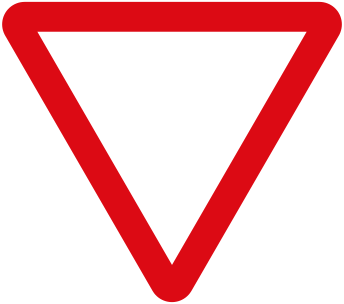
What does this inverted-triangle sign require you to do?
Practice Your Hazard Perception
Put your knowledge into practice with our interactive hazard perception training.
Start TrainingRelated Scenarios
Practice Your Hazard Perception
Put your knowledge into practice with our interactive hazard perception training.
Start Training