
 Complete guide 2026Updated April 2026
Israeli Driving Licence 2026 The Complete Guide
Everything you need to know about getting your driving licence in Israel — theory test (30 questions, 26/30 pass), Ministry of Transport licensing, total cost ILS 3,950–6,390, demerit point system (nekudot), BAC 0.05% (0.01% new drivers), speed limits, and the country that invented Waze.
Table of Contents
Theory Test
30 multiple-choice questions, computer-based.
Must score at least 26/30 (87%) to pass. Available in Hebrew, Arabic, English, Russian, Amharic, French, and Spanish. Questions cover traffic signs, right-of-way, road safety, and Israeli-specific regulations.
Total Cost
Learner’s permit ~ILS 200.
Theory test fee ILS 400–600. At least 28 mandatory driving lessons at ILS 100–180 each (ILS 2,800–5,040). Practical test ~ILS 350. Licence issuance ~ILS 200. Overall total approximately ILS 3,950–6,390.
Road Deaths
Approximately 435 fatalities in 2024, a 16-year high and a concerning increase (2022: 351, 2023: 361, 2024: ~435).
Death rate ~4.4 per 100,000 population. Pedestrians and motorcyclists account for a large share of fatalities.
BAC Limits
Standard limit: 0.05% BAC (50 mg/100 ml blood).
Stricter limit of 0.01% for new drivers under 24, professional drivers (buses, trucks, taxis), and drivers under age 24. Penalties include fines, licence suspension, and criminal charges.
Demerit Points (Nekudot)
Israel uses a demerit point system called nekudot.
Points are assigned for traffic violations. Accumulating 12 points triggers a mandatory ‘proper driving’ course. 36 points: licence suspended for 3 months. 72 points in 6 years: licence suspended 9 months and must retake both theory and practical tests. Points expire after 2 years if no new violations.
Global Context
Israel’s road death rate (~4.4/100K) is moderate for a developed country.
New driver restrictions last 2 years (green licence / rishion yarok). Highway 6 uses fully electronic tolling. Waze navigation app was invented in Israel. Driving is on the right.
Israel Road Safety: 3-Year Trend (2022–2024)
Israel has seen a concerning increase in road fatalities, reaching a 16-year high of approximately 435 deaths in 2024. The National Road Safety Authority (NRSA) coordinates enforcement, education, and infrastructure improvements. Pedestrian safety and motorcycle safety remain key focus areas, with urban areas seeing the highest concentration of incidents.
Year-over-year changes
Deaths per 100,000 Population
 USA12.2
 Turkey7.5
- Israel4.4
 Germany3.4
 UK2.5
Source: WHO Global Status Report on Road Safety, Israel National Road Safety Authority, Central Bureau of Statistics. Per-capita rates are estimates and may vary by methodology.
Israeli Theory Test Format
Computer-based theory test administered at Ministry of Transport licensing offices across Israel
The Israeli driving theory test consists of 30 multiple-choice questions to be completed on a computer at a Ministry of Transport licensing office. You must answer at least 26 out of 30 correctly (87%) to pass. The test is available in multiple languages: Hebrew, Arabic, English, Russian, Amharic, French, and Spanish. Questions cover traffic signs, right-of-way rules, road safety regulations, vehicle maintenance basics, and Israeli-specific driving laws. You can take a practice test on the Ministry of Transport website. The test fee is approximately ILS 400–600.
Questions
Duration
Pass Mark
Test Fee
What the Theory Test Covers
- Traffic signs, signals & road markings
- Right-of-way rules at intersections and roundabouts
- Speed limits by road type
- Prohibited actions & parking regulations
- Pedestrian and cyclist safety
- Vehicle maintenance & tyre safety
- Seatbelt and child restraint laws
- Headlight and visibility requirements
- Emergency procedures & first aid
- Environmental driving regulations
- New driver (rishion yarok) restrictions
- BAC limits for different driver categories
- Demerit point system (nekudot)
- Highway 6 electronic toll rules
- Driving in adverse weather conditions
- 1
Obtain a Learner’s Permit (Tofes Yarok)
Visit a Ministry of Transport licensing office with ID and medical declaration
You must be at least 16 years and 9 months old to apply. Bring your teudat zehut (ID card) or passport, a passport photo, and a medical declaration form signed by your doctor. Cost: ~ILS 200.
- 2
Pass the Theory Test
Take the computer-based theory exam at a licensing office
30 multiple-choice questions, must score 26/30 (87%). Available in Hebrew, Arabic, English, Russian, Amharic, French, Spanish. Fee: ILS 400–600 per attempt.
- 3
Complete Mandatory Driving Lessons
Take at least 28 practical driving lessons with a licensed instructor
Minimum 28 lessons of 40 minutes each required by law. Most students need more. Lessons cover urban driving, highway driving, parking, and night driving. Cost: ILS 100–180 per lesson.
- 4
Pass the Practical Driving Test
Demonstrate your driving skills with an MOT examiner
Approximately 30–40 minutes. Tested on vehicle control, traffic awareness, manoeuvres (parking, lane changes, merging), and adherence to traffic laws. Pass rate around 50–60%.
- 5
Receive Your New Driver Licence (Rishion Yarok)
Your first licence is a ‘green licence’ with restrictions for 2 years
Green licence (rishion yarok) restrictions: cannot drive between midnight and 5 AM for first year (exceptions apply), limited passengers for under-24 drivers, stricter BAC limit of 0.01%. After 2 years, it converts to a regular licence (rishion kahol).
- 6
Upgrade to Regular Licence (Rishion Kahol)
After 2 years without serious violations, your licence upgrades automatically
No additional test required. The blue licence (rishion kahol) removes new driver restrictions. Valid for 10 years, renewable at licensing offices. Carry your teuda (licence card) at all times while driving.
Israeli Driving Licence Fees
Typical costs for obtaining a Class B driving licence in Israel
| Fee | Amount |
|---|---|
| Learner’s permit application | ₪~200 |
| Theory test fee (per attempt) | ₪400–600 |
| Driving lessons (28 minimum × ILS 100–180) | ₪2,800–5,040 |
| Practical test fee | ₪~350 |
| Licence issuance | ₪~200 |
| Medical declaration | ₪0–200 |
| Total Typical (Class B) | ₪3,950–6,390 |
Costs are approximate and vary by driving school and region. Tel Aviv and Jerusalem tend to be more expensive. Additional lessons beyond the 28 minimum add to cost. Retake fees apply for failed tests. Some medical conditions require specialist clearance at additional cost.
See how ready you are — practice with real exam questions
Try Free QuestionsMinimum age by licence category
- A2 — Motorcycles up to 125cc / 11 kW16years
- A1 — Motorcycles up to 35 kW / 47 hp2 years’ A2 experience18years
- A — Motorcycles unlimited2 years’ A2 experience20years
- B — Cars up to 3,500 kg, max 8+1 seatsMost common category16y9myears
- C1 — Vehicles 3,500–12,000 kg21years
- C — Vehicles over 12,000 kg21years
- D — Buses (more than 8 passengers)21years
- D1 — Minibuses up to 16 passengers21years
Licence Validity Periods
| Licence / age | Validity |
|---|---|
| New Driver (Rishion Yarok)Converts to regular licence automatically | 2 years |
| Regular Licence (under 70)Renewable at licensing offices | 10 years |
| Regular Licence (70–80)Medical check may be required | 5 years |
| Regular Licence (80+)Medical certificate required | 2 years |
Demerit Point System (Nekudot)
- Points assigned per violation (2–10 points each)
- 12 points: mandatory ‘proper driving’ course
- 36 points: licence suspended for 3 months
- 72 points in 6 years: licence suspended 9 months + must retake both tests
- Points expire after 2 years with no new violations
New Driver Restrictions (Rishion Yarok)
- Green licence restrictions last 2 years
- No driving midnight–5 AM during first year (with exceptions)
- Under-24 drivers: limited to 2 passengers (exemptions for family)
- Stricter BAC limit of 0.01% (vs 0.05% for regular drivers)
- Must display ‘new driver’ sticker on vehicle
Speed Limits in Israel
All speeds in km/h — posted signs always take precedence
Israel’s speed limits vary by road type. In urban areas, the default limit is 50 km/h unless otherwise posted. On rural (interurban) roads, limits range from 80 to 90 km/h. On highways (kvish mahir), the limit is typically 100–110 km/h. Highway 6 (Kvish 6) and certain sections of Highway 1 allow up to 120 km/h. School zones and residential areas may have lower limits of 30–40 km/h. Speed cameras are common, particularly on highways and major interurban roads.
| Road Type | Cars | Motorcycles | Heavy Vehicles | Note |
|---|---|---|---|---|
| Urban roads | 50 | 50 | 50 | Default; may be lower in school zones |
| Rural / interurban roads | 80–90 | 80–90 | 70–80 | Divided and undivided |
| Highway (kvish mahir) | 100–110 | 100–110 | 80–90 | 100–110 typical |
| Motorway (Highway 6 etc.) | 120 | 120 | 100 | Selected sections only |
Urban roads
Cars: 50Motorcycles: 50Heavy Vehicles: 50Default; may be lower in school zones
Rural / interurban roads
Cars: 80–90Motorcycles: 80–90Heavy Vehicles: 70–80Divided and undivided
Highway (kvish mahir)
Cars: 100–110Motorcycles: 100–110Heavy Vehicles: 80–90100–110 typical
Motorway (Highway 6 etc.)
Cars: 120Motorcycles: 120Heavy Vehicles: 100Selected sections only
Posted signs always take precedence over default limits. School zones are typically 30–40 km/h. Speed cameras are widespread on highways and interurban roads. Fines increase sharply with speed over the limit.
Traffic Fines & Penalties
Selected fines under Israeli traffic law — amounts in ILS (New Israeli Shekel)
Israel imposes significant fines for traffic violations, with amounts set by the Traffic Ordinance and updated periodically. Speeding fines are tiered based on how much you exceed the limit. Red-light violations carry heavy fines and demerit points. Mobile phone use while driving is strictly prohibited. DUI penalties are among the most severe, including criminal charges for higher BAC levels.
Up to ₪250₪500–₪1,000₪1,500 or more, or criminal charges
| Violation | Fine (ILS) | Demerit Points |
|---|---|---|
| Running a red light | ₪1,500 | 10 |
| DUI (0.05–0.08% BAC) | ₪2,000–5,000+ | 10 |
| DUI (>0.08% BAC) | Criminal charges | Suspended |
| Speeding 10–20 km/h over | ₪250 | 0 |
| Speeding 20–30 km/h over | ₪500 | 4 |
| Speeding 30–40 km/h over | ₪1,000 | 6–8 |
| Speeding >40 km/h over | ₪1,500+ | 10 |
| Using phone while driving | ₪1,000 | 4–8 |
| No seatbelt | ₪250 | 4 |
| Driving without valid licence | ₪1,000+ | — |
| Illegal parking (standard) | ₪100–500 | — |
| Passing in a no-passing zone | ₪750 | 4–6 |
- ₪1,500
Running a red light
10 - ₪2,000–5,000+
DUI (0.05–0.08% BAC)
10 - Criminal charges
DUI (>0.08% BAC)
Suspended - ₪250
Speeding 10–20 km/h over
0 - ₪500
Speeding 20–30 km/h over
4 - ₪1,000
Speeding 30–40 km/h over
6–8 - ₪1,500+
Speeding >40 km/h over
10 - ₪1,000
Using phone while driving
4–8 - ₪250
No seatbelt
4 - ₪1,000+
Driving without valid licence
- ₪100–500
Illegal parking (standard)
- ₪750
Passing in a no-passing zone
4–6
Fine amounts are approximate and subject to periodic updates. Courts may impose higher penalties. DUI above 0.08% BAC is a criminal offence with potential imprisonment. Repeat offenders face escalating penalties.
Know These Rules Before Your Theory Test
Traffic fines, speed limits, and the demerit point system are frequently tested in the Israeli theory exam. Practice with real exam-style questions.
How the road worksMandatory, with a penaltyMakes it easier
Drive on the Right
Israel uses right-hand traffic.
Overtake on the left. At roundabouts, traffic flows counterclockwise and vehicles already in the roundabout have priority.
Alcohol Limits
Standard BAC limit is 0.05% (50 mg/100 ml blood).
Stricter 0.01% limit for new drivers under 24, professional drivers (buses, trucks, taxis), and all drivers under 24. BAC over 0.08% is a criminal offence.
Seatbelts & Child Seats
Seatbelts mandatory for all occupants.
Children under 3: rear-facing seat. Ages 3–8: booster/child seat appropriate for height and weight. Children under 13 should sit in the rear.
Headlights on Interurban Roads
Headlights (dipped beams) must be on at all times when driving on interurban (between cities) roads, even during daylight.
This is a unique Israeli rule that catches many foreigners off guard.
Mobile Phone Prohibition
Handheld phone use is prohibited while driving.
Fine of ILS 1,000 and 4–8 demerit points. Hands-free devices are permitted but not recommended. Texting while driving carries the same penalty.
Compulsory Insurance
Third-party liability insurance is mandatory for all vehicles.
Annual test (test) required for vehicles over 3 years old. Driving without insurance is a criminal offence.
Highway 6 Electronic Toll
Highway 6 (Cross-Israel Highway) uses fully electronic tolling — no toll booths.
Cameras photograph licence plates and tolls are billed automatically. Foreign drivers are charged via rental car company.
New Driver Restrictions
Green licence (rishion yarok) holders have restrictions for 2 years: no midnight–5 AM driving in first year, limited passengers for under-24, 0.01% BAC limit, and mandatory ‘new driver’ sticker on the vehicle.
Pedestrian Priority at Crosswalks
Drivers must give absolute right-of-way to pedestrians at marked crosswalks (zebra crossings).
Failure to stop carries a fine of ILS 500+ and demerit points. This is strictly enforced.
Common Road Hazards in Israel
~435 road fatalities in 2024 — know these hazards to stay safe on Israeli roads
Aggressive Driving Culture
Israeli driving culture can be assertive — frequent lane changes, close following distances, and horn use. Stay calm and maintain safe following distance.
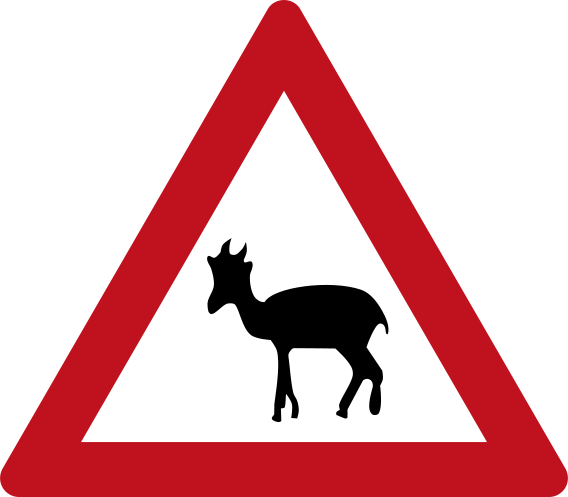
Desert Roads (Negev)
Long, straight desert roads in the Negev can cause fatigue. Flash floods during rare rain events make wadis dangerous. Watch for camels and livestock crossings.
Urban Congestion
Tel Aviv, Jerusalem, and Haifa have heavy traffic congestion, especially during rush hours. Motorcycles lane-splitting and jaywalking pedestrians are common.
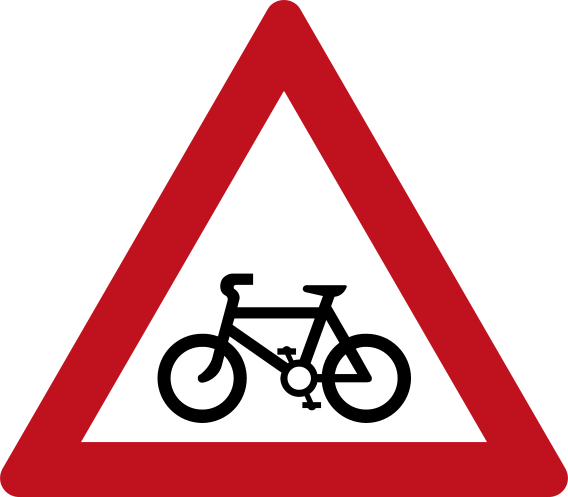
Scooters & E-bikes
Electric scooters and e-bikes are extremely common in Tel Aviv and other cities. They often share lanes with cars and can appear unexpectedly.
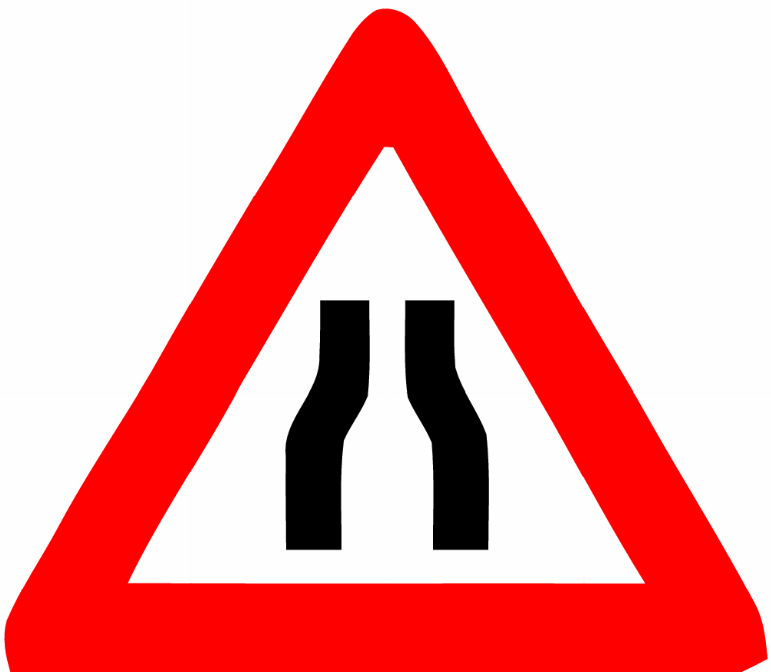
Narrow Roads in Old Cities
Jerusalem, Jaffa, and other historic areas have very narrow streets with tight turns, limited visibility, and heavy pedestrian traffic.
Summer Heat & Glare
Extreme summer heat (40°C+) affects tyre pressure and engine cooling. Sun glare is intense, especially during early morning and late afternoon commutes.
Israel’s Licensing Districts
The Ministry of Transport operates licensing offices across 6 administrative districts
- 1JerusalemJerusalem1.2M
- 2Tel AvivTel Aviv-Yafo1.6M
- 3HaifaHaifa1.0M
- 4CentralRamla2.2M
- 5Southern (Negev)Be'er Sheva1.3M
- 6NorthernNazareth1.5M
Israel has 6 administrative districts. Driving licence testing and issuance is administered by the Ministry of Transport through licensing offices in each district. Some districts have multiple testing centres.
Myth: You need an International Driving Permit to drive in Israel as a tourist
Fact: Tourists can drive in Israel with their valid home-country licence for up to 1 year, as long as the licence is in English or accompanied by a certified translation. An IDP is recommended but not legally required for most nationalities. After 1 year of residency, you must convert to an Israeli licence.
Myth: The blood alcohol limit in Israel is zero — you cannot have any alcohol
Fact: The standard BAC limit is 0.05% (same as most of Europe), not zero. However, new drivers under 24 and professional drivers have a much stricter limit of 0.01%. For a standard driver, one beer may be within the legal limit, but it is always safest not to drink and drive.
Myth: Highway 6 has toll booths where you pay cash
Fact: Highway 6 (Cross-Israel Highway / Kvish 6) uses fully electronic tolling with no physical toll booths. Overhead cameras photograph licence plates and tolls are billed to the registered vehicle owner. Rental car companies pass the charges to the driver.
Myth: You can use your phone at red lights since the car is stopped
Fact: Using a handheld phone is prohibited whenever the engine is running, including at red lights and in traffic jams. The fine is ILS 1,000 with 4–8 demerit points. Only hands-free devices are permitted.
Myth: Speed limits on Israeli highways are just suggestions — everyone drives faster
Fact: While some drivers exceed limits, Israel has extensive speed camera networks on highways. Fines are automatic and unavoidable. Exceeding the limit by 30+ km/h results in ILS 1,000+ fines and 6–10 demerit points. Accumulating 36 points leads to licence suspension.
Myth: Headlights are only required at night
Fact: Israel requires headlights (dipped beams) to be on at ALL times when driving on interurban roads, even in broad daylight. This applies to all vehicles. Failure to comply carries a fine. This rule is unique to Israel and is frequently tested in the theory exam.
E-scooter regulation tightened
New rules for electric scooters: minimum age 16, helmet mandatory for under-18, speed limited to 25 km/h, banned from sidewalks in central areas. Insurance requirements being considered.
Automated speed enforcement expanded
New speed cameras installed on major routes including Route 1, Route 4, and Route 6. Average-speed (section) cameras deployed for the first time on Highway 6.
Stricter penalties for distracted driving
Fines for mobile phone use while driving increased. Demerit points for phone use raised to 4–8 points (up from 4). Courts given authority to impose driving bans for repeat offenders.
Child seat law updated
Updated requirements for child restraint systems aligned with EU standards. Rear-facing seats required for children under 15 months (previously 1 year). Booster requirements extended to age 8.
New driver restrictions strengthened
Night driving ban for new drivers extended to first full year (previously 6 months). Passenger limits clarified for under-24 new drivers.
Vision Zero programme launched
Israel adopted a Vision Zero road safety strategy targeting zero road fatalities by 2050, with infrastructure improvements, enforcement, and education campaigns.
How Israel Compares Globally
Israel’s driving regulations compared to other countries — data compiled from official government sources
StrictestIn betweenMost lenientBAC limit and minimum age
| Parameter | Israel | Germany | UK | USA | Turkey |
|---|---|---|---|---|---|
| BAC Limit | 0.05% | 0.05% | 0.08% | 0.08% | 0.05% |
| Min. Age (Car) | 16y9m | 17* | 17 | 16 | 18 |
| Driving Side | Right | Right | Left | Right | Right |
| Highway Speed | 110–120 | No limit* | 112 | ~120 | 120 |
| Test Questions | 30 | 30 | 50 | 20–50 | 50 |
| Licence Cost | ~₪4–6K | €2–3.5K | £1–2K | $30–90 | ₺5–10K |
| Road Deaths/yr | ~435 | 2,839 | 1,645 | 40,901 | 6,380 |
| Deaths/100K | ~4.4 | ~3.4 | ~2.5 | ~12.2 | ~7.5 |
BAC Limit
Israel: 0.05%Germany: 0.05%UK: 0.08%USA: 0.08%Turkey: 0.05%Min. Age (Car)
Israel: 16y9mGermany: 17*UK: 17USA: 16Turkey: 18Driving Side
Israel: RightGermany: RightUK: LeftUSA: RightTurkey: RightHighway Speed
Israel: 110–120Germany: No limit*UK: 112USA: ~120Turkey: 120Test Questions
Israel: 30Germany: 30UK: 50USA: 20–50Turkey: 50Licence Cost
Israel: ~₪4–6KGermany: €2–3.5KUK: £1–2KUSA: $30–90Turkey: ₺5–10KRoad Deaths/yr
Israel: ~435Germany: 2,839UK: 1,645USA: 40,901Turkey: 6,380Deaths/100K
Israel: ~4.4Germany: ~3.4UK: ~2.5USA: ~12.2Turkey: ~7.5
Israel
Same as Germany and Turkey. UK 0.08%. USA 0.08%. Israel is stricter for new drivers (0.01%).
Learner’s permit from 16 years 9 months. Germany 17 (with guardian), UK 17, USA 16, Turkey 18.
Germany Right · UK Left · USA Right · Turkey Right
Germany: no limit (Autobahn). UK 113 (70 mph). USA ~120 (varies). Turkey 120 km/h.
Germany 30 · UK 50 · USA 20–50 · Turkey 50
Germany €2,000–3,500. UK £1,000–2,000. USA $30–90. Turkey ₺5,000–10,000.
~4.4 per 100K. Germany 2.8, UK 2.5, USA 12.2, Turkey 7.5 per 100K.
Germany ~3.4 · UK ~2.5 · USA ~12.2 · Turkey ~7.5
Road deaths: Israel ~435 (NRSA 2024 est.), Germany 2,839 (Destatis 2023), UK 1,645 (DfT 2023), USA 40,901 (NHTSA 2023), Turkey 6,380 (TurkStat 2023). Per-capita rates: Israel ~4.4, Germany 3.4, UK 2.5, USA 12.2, Turkey ~7.5 per 100K.
Primary Sources
Verification Methodology
Every fact on this page has been cross-referenced against at least two authoritative sources. Our process:
- 1Primary data collected from Israeli legislation and Ministry of Transport regulations
- 2Cross-verified against NRSA reports, CBS statistics, and WHO data
- 3Regional variations noted where applicable (fees vary by district)
- 4Page reviewed and fact-checked on March 27, 2026
If you find an error, please contact us so we can correct it immediately.
Frequently Asked Questions
How much does a driving licence cost in Israel?
The total cost is approximately ILS 3,950–6,390 for Class B. This includes: learner’s permit ~ILS 200, theory test ILS 400–600, at least 28 mandatory driving lessons at ILS 100–180 each (ILS 2,800–5,040), practical test ~ILS 350, and licence issuance ~ILS 200. Most students need additional lessons beyond the minimum 28, which adds to the total.
What is the Israeli theory test format?
The theory test consists of 30 multiple-choice questions on a computer at a Ministry of Transport licensing office. You must answer at least 26 correctly (87%) to pass. Available in Hebrew, Arabic, English, Russian, Amharic, French, and Spanish. You have approximately 40 minutes. Questions cover traffic signs, right-of-way, speed limits, safety rules, and Israeli-specific regulations.
What is the blood alcohol limit in Israel?
The standard limit is 0.05% BAC (50 mg/100 ml blood). New drivers under 24 and professional drivers have a stricter limit of 0.01%. BAC between 0.05–0.08% results in fines of ILS 2,000–5,000+ and 10 demerit points. BAC above 0.08% is a criminal offence with potential imprisonment, licence revocation, and a criminal record.
What are the speed limits in Israel?
Urban areas: 50 km/h (default). Rural/interurban roads: 80–90 km/h. Highways: 100–110 km/h. Motorway (Highway 6, sections of Highway 1): up to 120 km/h. School zones: 30–40 km/h. Posted signs always take precedence. Speed cameras are common.
What are the emergency numbers in Israel?
100 — Police (Mishtara). 101 — Magen David Adom (ambulance/medical). 102 — Fire Department. 112 — Unified emergency number (also works with 911). All available 24/7.
Can tourists drive in Israel?
Yes. Tourists can drive with their valid home-country licence for up to 1 year. The licence should be in English or accompanied by a certified translation. An International Driving Permit is recommended but not legally required for most nationalities. After 1 year of residency, you must convert to an Israeli licence.
What is the demerit point system (nekudot)?
Israel’s demerit system assigns points for each traffic violation (2–10 per offence). 12 accumulated points: mandatory ‘proper driving’ course. 36 points: licence suspended for 3 months. 72 points in 6 years: licence suspended 9 months and must retake both theory and practical tests. Points expire after 2 years if you have no new violations.
What are the new driver (rishion yarok) restrictions?
The green licence (rishion yarok) lasts 2 years. Restrictions include: no driving between midnight and 5 AM during the first year (exceptions for work/military), under-24 drivers limited to 2 passengers (family exempt), stricter BAC limit of 0.01%, and must display a ‘new driver’ sticker. After 2 years, it automatically upgrades to a regular blue licence.
Do I need headlights on during the day?
Yes — on interurban (between cities) roads, you must have dipped beam headlights on at all times, even in broad daylight. This is an Israeli-specific rule that does not apply within city limits. Failure to comply results in a fine. This rule is frequently tested in the theory exam.
How does Highway 6 tolling work?
Highway 6 (Cross-Israel Highway / Kvish 6) uses fully electronic tolling with no physical booths. Overhead cameras photograph every vehicle’s licence plate. Israeli drivers are billed monthly based on usage. Rental car companies pass the toll charges to the renter. Rates vary by vehicle type and time of day.
What is the minimum driving age in Israel?
The minimum age for a Class B (car) learner’s permit is 16 years and 9 months. Motorcycle licences (A2) start at 16. Commercial categories (C, D) require age 21+.
Is Waze really from Israel?
Yes. Waze was developed in Israel by Ehud Shabtai, Amir Shinar, and Uri Levine, launching in 2008. Google acquired Waze in 2013 for $1.1 billion. The development office remains in Ra’anana, Israel. Waze is widely used by Israeli drivers for real-time traffic and navigation.
Cite This Page
Use the following citations when referencing this article in academic papers, journalism, or reports.
APA 7th Edition
AutoviaTest. (2026, March 27). Israel driving licence facts 2026 — theory test, fees, fines & rules. https://autoviatest.com/en/driving-test/israel/facts
MLA 9th Edition
AutoviaTest. "Israel Driving Licence Facts 2026 — Theory Test, Fees, Fines & Rules." AutoviaTest, 27 Mar. 2026, autoviatest.com/en/driving-test/israel/facts.
Chicago 17th Edition
AutoviaTest. "Israel Driving Licence Facts 2026 — Theory Test, Fees, Fines & Rules." Last modified March 27, 2026. https://autoviatest.com/en/driving-test/israel/facts.
Ready to Pass Your Israeli Driving Test?
Practice with real theory test questions and detailed explanations. Available in English and Hebrew.
More Country Driving Guides
German Driving Licence 2026 — The Complete GuideTUV test format, Fahrschule costs, Autobahn rules, speed limits, traffic fines, and the points system.UK Driving Licence 2026 — The Complete GuideDVSA theory test, driving lesson costs, speed limits, penalty points, and the Highway Code.Turkish Driving Licence 2026 — The Complete GuideEhliyet test format, driving school costs, speed limits, traffic fines, and the demerit system.USA Driving Licence 2026 — The Complete GuideDMV test format, driving school costs, speed limits, and state-by-state licensing requirements.