
 Complete guide 2026Updated April 2026
Saudi Arabia Driving Licence 2026 The Complete Guide
Everything you need to know about getting your driving licence in Saudi Arabia — Muroor theory test (20 MCQ, 85% pass mark), total cost (SAR 2,800–3,400 / ~$750–900 USD), 0.00% BAC (absolute zero), Saher camera enforcement, demerit points, Absher digital services, and Vision 2030 road safety reforms.
Table of Contents
Theory Test
The Saudi driving theory test consists of 20 multiple-choice questions to be completed in 20 minutes via a computer-based exam.
Pass mark: 85% (17/20 correct). The test is administered by Muroor (General Directorate of Traffic) at authorised driving schools. Questions cover traffic signs, road rules, right-of-way, and Saudi-specific regulations. Available in Arabic and English.
Total Cost
SAR 2,800–3,400 (~$750–900 USD) for the complete driving licence process.
This includes driving school enrolment and training, theory test fees, practical test fees, and licence issuance. Licence fees: 1-year SAR 40, 5-year SAR 200, 10-year SAR 400. Most applicants opt for the 10-year licence. Driving school training is mandatory — you cannot self-study and take the test directly.
Road Deaths
4,423 fatalities in 2023 (~13.6 per 100K).
Saudi Arabia has achieved a dramatic 54% reduction from 28.8/100K in 2016, driven by Saher camera expansion (320% increase), stricter enforcement, and Vision 2030 road safety initiatives. The Vision 2030 target is 8 deaths per 100K. Speed-related incidents remain the leading cause of fatalities.
BAC Limit
0.00% — absolute zero tolerance.
Alcohol is illegal in Saudi Arabia. Any trace of alcohol while driving results in severe penalties including imprisonment, lashing (historically), deportation for expatriates, and 24 demerit points (instant suspension). This applies equally to all drivers regardless of nationality or residency status.
Demerit Points
Saudi Arabia uses a demerit points system: accumulating 24 points within one Hijri year results in licence suspension.
Points per offence: red light 12 pts, phone use 2 pts, seatbelt 2 pts, speeding varies by severity. DUI and drifting (tafheet) carry an instant 24 points — automatic suspension. Points reset at the start of each Hijri year if below 24.
Global Context
Death rate ~13.6/100K vs UAE ~3.5, Germany ~3.4, USA 12.2, UK 2.5.
Drives on the right. 0.00% BAC (strictest possible). Women legally driving since June 2018. Saher automated cameras detect 7+ violation types. Absher digital platform handles 280+ government services. Vision 2030 targeting 8 deaths/100K.
Saudi Arabia Road Safety: Vision 2030 Transformation (2019–2023)
According to Muroor and the WHO, Saudi Arabia recorded 4,423 deaths in 2023. The Kingdom has achieved a remarkable 54% reduction in road deaths per capita, from 28.8/100K in 2016 to ~13.6/100K in 2023. This improvement is driven by the expansion of the Saher automated camera enforcement system (320% increase since 2016), stricter traffic laws, mandatory driving school training, and Vision 2030 road safety investments. The target is 8 deaths per 100K population.
Year-over-year changes
Deaths per 100,000 Population
- Saudi Arabia13.6
 USA12.2
 UAE3.5
 Germany3.4
 UK2.5
Source: Muroor (General Directorate of Traffic), Ministry of Interior, WHO Global Status Report on Road Safety, Vision 2030. Per-capita rates are estimates and may vary by methodology. Note: 2023 is the latest year for which the Saudi Ministry of Interior has published official road fatality statistics. Data is typically released 12–18 months after the reporting year.
Saudi Arabia Theory Test Format
Theory tests are administered by Muroor at authorised driving schools throughout the Kingdom
Saudi Arabia requires a computer-based theory test administered by Muroor (General Directorate of Traffic, المرور) at authorised driving schools. The test consists of 20 multiple-choice questions to be completed within 20 minutes. The pass mark is 85% — you must answer at least 17 out of 20 correctly. The test covers traffic signs, road rules, right-of-way, speed limits, and Saudi-specific regulations. Tests are available in Arabic and English. You must also pass 2 practical driving trials testing 16 competencies before receiving your licence.
Questions
Duration
Pass Mark
Licence Fee
What the Theory Test Covers
- Traffic signals, road signs, and road markings
- Right-of-way rules and roundabout priority
- Speed limits by road type (50–140 km/h)
- Parking and stopping regulations
- Pedestrian crossings and school zones
- Seatbelt and child restraint regulations
- Vehicle maintenance and Istimara (registration) requirements
- Warning triangle and hazard light usage
- Periodic vehicle inspection (Fahs)
- Accident procedures and Najm reporting
- Zero-tolerance alcohol law (0.00% BAC)
- Saher camera system and automated enforcement
- Demerit points system (24 pts/Hijri year)
- Desert and highway driving safety
- Drifting (tafheet) penalties and consequences
How to Get Your Saudi Driving Licence
From enrolment to full licence — the complete step-by-step process
- 1
Enrol at an Authorised Driving School
Mandatory enrolment — cannot self-study
Register at a Muroor-authorised driving school. Training is mandatory in Saudi Arabia — you cannot take the test without completing a driving school programme. You must be at least 18 years old for a car licence. Bring your national ID (Iqama for residents, Saudi ID for citizens), passport photos, and medical fitness certificate. Women and men attend separate training sessions or schools.
- 2
Complete Theory Training
Classroom and online instruction on traffic rules and road safety
Complete the required theory training covering Saudi traffic law, road signs, right-of-way rules, speed limits, and emergency procedures. Training covers both general driving knowledge and Saudi-specific regulations including Saher, demerit points, and desert driving. Training is available in Arabic and English.
- 3
Pass the Theory Test
20 MCQ questions, 20 minutes, 85% pass mark (17/20)
The computer-based theory test consists of 20 multiple-choice questions to be completed in 20 minutes. Pass mark: 85% (17/20 correct). Covers traffic signs, road rules, and Saudi-specific regulations. Available in Arabic and English. You can retake the test if you fail, after a waiting period.
- 4
Complete Practical Driving Training
Learn driving skills at your driving school
Practical training includes basic vehicle control, parking, lane changes, roundabout navigation, highway merging, and defensive driving. Training typically involves 20–30 hours of practical instruction. You must complete all required training modules before taking the practical test.
- 5
Pass the Practical Driving Test
2 driving trials testing 16 competencies
The practical test consists of 2 driving trials evaluating 16 competencies including vehicle control, observation, signalling, lane discipline, speed management, and hazard awareness. Tests are conducted at the driving school circuit and on public roads. You must demonstrate safe and competent driving. Failing requires additional training before retaking.
- 6
Receive Your Driving Licence
Choose 1-year (SAR 40), 5-year (SAR 200), or 10-year (SAR 400) validity
Upon passing both tests, apply for your licence via Absher (online) or at a Muroor office. Choose your licence validity: 1-year (SAR 40), 5-year (SAR 200), or 10-year (SAR 400). Citizens receive up to 10-year validity. Non-citizens (residents) receive up to 5-year validity, tied to Iqama expiry. Your licence is issued digitally and physically.
Saudi Arabia Driving Licence Fees
Total cost typically SAR 2,800–3,400 (~$750–900 USD) including driving school and licence
| Fee | Amount |
|---|---|
| Driving school enrolment and training | SAR 2,000–2,600 |
| Theory test fee | Included in school |
| Practical test fee (2 trials) | Included in school |
| Medical fitness certificate | SAR 100–200 |
| Licence issuance — 1 year | SAR 40 |
| Licence issuance — 5 years | SAR 200 |
| Licence issuance — 10 years | SAR 400 |
| Additional training (if needed, per session) | SAR 50–150 |
| Total Typical (driving school + 10-year licence) | SAR 2,800–3,400 |
Costs vary by driving school and region. Major cities (Riyadh, Jeddah, Dammam) tend to be at the higher end. Women's driving schools may have different pricing. Licence renewal via Absher (online): 1-year SAR 40, 5-year SAR 200, 10-year SAR 400. Non-citizens receive licences tied to Iqama validity (max 5 years). Exchange rate: approximately SAR 1 ≈ $0.27 USD (SAR 3.75 = $1 USD).
See how ready you are — practice with real exam questions
Try Free QuestionsMinimum age by licence category
- Motorcycle16 years — two-wheeled vehicles16years
- Private vehicle (car)18 years — standard car licence18years
- Taxi / ride-hailing21 years — public transport21years
- Heavy vehicle / truck21 years — commercial vehicles21years
Licence Validity
| Licence / age | Validity |
|---|---|
| Saudi citizensChoose 1, 5, or 10-year validity | Up to 10 years |
| Non-citizens (residents)Tied to Iqama validity | Up to 5 years |
| Foreign licence holders (visitors)Must convert if becoming resident | 3 months |
Foreign Licence Conversion
- Foreign licence holders can drive for up to 3 months on a valid foreign licence with IDP
- Residents must convert to a Saudi licence — apply through Muroor or Absher
- Licences from certain countries (GCC, some Western nations): simplified conversion process
- Other foreign licences: must pass theory and practical tests at a driving school
- All conversions require a valid medical fitness certificate and Iqama
Demerit Points System
- Saudi Arabia uses a demerit points system administered by Muroor
- 24 or more points in one Hijri year = licence suspension
- DUI (any alcohol) = instant 24 points + arrest
- Drifting (tafheet) = instant 24 points + vehicle confiscation
- Running a red light: 12 demerit points
- Phone use while driving: 2 demerit points
- No seatbelt: 2 demerit points
- Speeding: 2–6 demerit points depending on severity
Speed Limits in Saudi Arabia
As per Saudi Traffic Law — all speeds in km/h
Saudi Arabia has varying speed limits reflecting its diverse road network, from dense urban areas to long desert highways. School zones are limited to 50 km/h. Urban areas range from 60–80 km/h. Rural roads are 80–100 km/h. Major highways have a 120 km/h limit, while designated smart corridors allow up to 140 km/h. The Saher automated camera system enforces speed limits across the Kingdom — cameras detect speeding, red light violations, seatbelt infractions, and more. Fines for speeding range from SAR 150 to SAR 2,000 depending on severity.
| Road Type | Cars | Heavy Vehicles | Note |
|---|---|---|---|
| School Zones | 50–60 | 50 | Near schools during operating hours |
| Urban Roads | 80–100 | 80 | Within city limits |
| Rural Roads | 120 | 80 | Between cities and towns |
| Highways | 140 | — | Major intercity routes |
School Zones
Cars: 50–60Heavy Vehicles: 50Near schools during operating hours
Urban Roads
Cars: 80–100Heavy Vehicles: 80Within city limits
Rural Roads
Cars: 120Heavy Vehicles: 80Between cities and towns
Highways
Cars: 140Heavy Vehicles: —Major intercity routes
Heavy vehicles are subject to lower speed limits than cars on all road types. Saher cameras enforce speed limits automatically — fines are sent via SMS and posted to Absher. Speeding fines: SAR 150–300 (minor), SAR 300–500 (moderate), SAR 500–900 (serious), SAR 900–2,000 (severe). Points: 2–6 depending on severity. Smart corridors (up to 140 km/h) are found on selected routes like the Riyadh–Dammam expressway. Always observe posted signs.
Traffic Fines & Penalties
Fines, demerit points, and additional penalties for common violations in Saudi Arabia
Saudi Arabia enforces traffic laws strictly through the Saher automated camera system and Muroor patrols. The demerit points system means 24 points in one Hijri year triggers suspension. DUI and drifting carry instant 24-point suspensions. Fines are payable via Absher or at banks. Unpaid fines can block vehicle registration renewal and travel. For serious offences (DUI, drifting, dangerous driving), penalties include imprisonment, vehicle confiscation, and deportation for expatriates.
Up to SAR 500SAR 501–3,000Over SAR 3,000
| Violation | Fine (SAR) | Points | Other |
|---|---|---|---|
| Speeding — minor (up to 20 km/h over) | SAR 150–300 | 24 pt | Vehicle confiscation |
| Speeding — moderate (20–30 km/h over) | SAR 300–500 | 24 pt | Imprisonment |
| Speeding — serious (30–50 km/h over) | SAR 500–900 | 12 pt | — |
| Speeding — severe (50+ km/h over) | SAR 900–2,000 | 12 pt | — |
| Running a red light | SAR 3,000–6,000 | 6 pt | — |
| Phone use while driving | SAR 900 | 4 pt | — |
| No seatbelt | SAR 150–300 | 2 pt | — |
| Drifting (tafheet) — 1st offence | SAR 20,000 | 2 pt | — |
| Drifting (tafheet) — 2nd offence | SAR 40,000 | 2 pt | — |
| Drifting (tafheet) — 3rd offence | SAR 60,000 | 4 pt | — |
| DUI (any alcohol) | Imprisonment | — | Vehicle seized |
| Driving without a licence | SAR 500–900 | — | — |
- SAR 150–300Vehicle confiscation
Speeding — minor (up to 20 km/h over)
24 pt - SAR 300–500Imprisonment
Speeding — moderate (20–30 km/h over)
24 pt - SAR 500–900
Speeding — serious (30–50 km/h over)
12 pt - SAR 900–2,000
Speeding — severe (50+ km/h over)
12 pt - SAR 3,000–6,000
Running a red light
6 pt - SAR 900
Phone use while driving
4 pt - SAR 150–300
No seatbelt
2 pt - SAR 20,000
Drifting (tafheet) — 1st offence
2 pt - SAR 40,000
Drifting (tafheet) — 2nd offence
2 pt - SAR 60,000
Drifting (tafheet) — 3rd offence
4 pt - ImprisonmentVehicle seized
DUI (any alcohol)
- SAR 500–900
Driving without a licence
Red light violation: SAR 3,000–6,000 + 12 demerit points + possible vehicle impoundment. Phone use: SAR 900 + 2 demerit points. Seatbelt: SAR 150–300 + 2 demerit points. Drifting (tafheet): escalating fines SAR 20,000–60,000 + vehicle confiscation + 24 demerit points + possible imprisonment. DUI: imprisonment + deportation (expats) + 24 demerit points. All fines visible on Absher. Unpaid fines block Istimara renewal and may prevent travel.
Know these rules before your theory test
Traffic fines, speed limits, BAC rules, and demerit points are frequently tested in the Muroor theory exam. Practice with real exam-style questions.
How the road worksMandatory, with a penaltyMakes it easier
Drive on the Right
Saudi Arabia drives on the right side of the road.
Overtake only on the left. At roundabouts, traffic already in the roundabout has priority. Left-hand drive vehicles are standard.
BAC Limit 0.00% — Absolute Zero
Alcohol is completely illegal in Saudi Arabia.
Zero tolerance for any alcohol while driving. Penalties include imprisonment, 24 demerit points (instant suspension), and deportation for expatriates. This applies to ALL drivers regardless of nationality.
Saher Camera Enforcement
Saher is Saudi Arabia's automated camera enforcement system, expanded 320% since 2016.
Cameras detect 7+ violation types: speeding, red light running, seatbelt violations, phone use, illegal lane changes, tailgating, and more. AI-enhanced cameras (radar, 360-degree, ANPR) are being deployed in 2025–2026.
Absher Digital Services
Absher is Saudi Arabia's digital government platform handling 280+ services.
For driving: licence renewal, fine payment, vehicle registration, traffic violation history, and licence status. Available as a mobile app and website. Most driving-related transactions no longer require visiting a Muroor office.
Drifting (Tafheet) Strictly Prohibited
Drifting (tafheet / تفحيط) carries among the harshest penalties in Saudi traffic law.
1st offence: SAR 20,000 fine. 2nd: SAR 40,000. 3rd: SAR 60,000 + vehicle confiscation. All offences carry 24 demerit points (instant suspension) and possible imprisonment. Vehicles used for drifting may be permanently confiscated.
Mandatory Equipment
All vehicles must carry a warning triangle and fire extinguisher.
Third-party motor insurance is mandatory. Vehicle registration (Istimara) must be current. Vehicles must pass periodic inspection (Fahs). Tinted windows must comply with regulations — excessive tinting is fined.
Child Seat Rules
Children under 10 years old must sit in the rear seat.
Child restraints are required for young children. The driver is responsible for ensuring all passengers are properly restrained. Front-seat child passengers are subject to fines.
Phone Use Prohibited
Using a mobile phone while driving is prohibited.
Fine: SAR 900 + 2 demerit points. Only hands-free systems are permitted. Saher cameras can detect phone use. Repeat offences lead to increased fines and demerit points.
Seatbelt Mandatory
All occupants must wear seatbelts — front and rear.
Fine for not wearing a seatbelt: SAR 150–300 + 2 demerit points. The driver is responsible for ensuring all passengers are properly belted. Saher cameras detect seatbelt violations.
Common Road Hazards in Saudi Arabia
4,423 road fatalities in 2023 — know these hazards to stay safe on Saudi roads
Desert Sand & Dust Storms
Saudi Arabia's desert climate means sand can blow across roads, reducing visibility to near zero during dust storms (shamal). Sand accumulation on road surfaces reduces traction significantly. During dust storms, pull over safely, turn off headlights (to avoid attracting other drivers), and wait for conditions to improve.
Extreme Heat
Summer temperatures regularly exceed 50°C in many regions. Extreme heat causes tyre blowouts (a major cause of highway accidents), vehicle overheating, and driver fatigue. Always check tyre pressure before long journeys and carry extra water. Avoid long drives during peak heat (12:00–3:00 PM).

High-Speed Highway Driving
Saudi highways allow speeds up to 120–140 km/h, and long straight desert roads can encourage even faster driving. Speed is the leading cause of road fatalities. Maintain safe following distances, take regular rest breaks on long journeys, and never exceed posted limits. Saher cameras are widespread.
Flash Floods (Seyl)
Despite being a desert country, Saudi Arabia experiences sudden, intense rainfall that causes flash floods (seyl), particularly in wadis (dry riverbeds) and low-lying urban areas. Floodwater can sweep vehicles off roads. Never attempt to cross flooded areas — turn around.
Camel & Wildlife Crossings
Camels and other livestock frequently cross desert highways, particularly at dawn and dusk. A collision with a camel at highway speeds is often fatal. Watch for camel crossing signs, reduce speed in known crossing areas, and be especially vigilant at night when camels are nearly invisible.
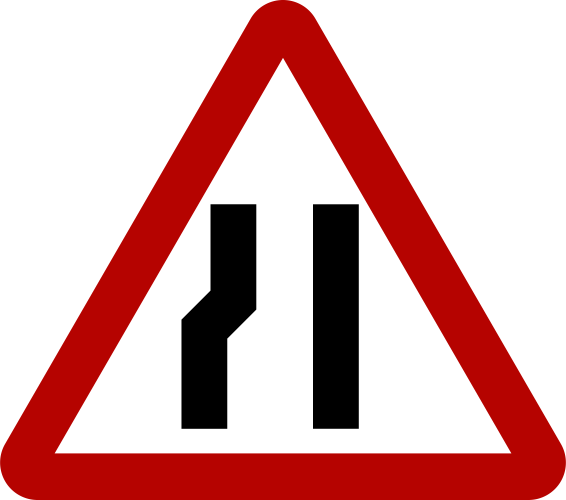
Construction Zones
Saudi Arabia's massive infrastructure development under Vision 2030 (including NEOM, Riyadh Metro, and highway expansions) means frequent road works and diversions. Temporary speed limits and lane closures are common. Follow advisory signs and reduce speed through construction zones.
Saudi Arabia's 13 Provinces
Saudi Arabia has 13 administrative provinces (regions), each with its own Muroor traffic department
- 1RiyadhRiyadh8.6M
- 2MakkahMakkah9.0M
- 3MadinahMadinah2.3M
- 4Eastern ProvinceDammam5.3M
- 5Al QassimBuraydah1.5M
- 6AsirAbha2.3M
- 7TabukTabuk0.9M
- 8Ha'ilHa'il0.7M
- 9Northern BordersArar0.4M
- 10JazanJazan1.7M
- 11NajranNajran0.6M
- 12Al BahahAl Bahah0.5M
- 13Al JawfSakakah0.5M
Saudi driving rules and traffic law apply uniformly across all 13 provinces. Muroor operates regional offices in each provincial capital. Driving school availability varies — major cities (Riyadh, Jeddah, Dammam) have the most options. Licence obtained in any province is valid nationwide.
Myth: Women can't drive in Saudi Arabia
Fact: Women have been legally driving since June 24, 2018. Over 1.5 million women now hold driving licences. Women's driving schools operate across the Kingdom, and women take the same theory and practical tests as men.
Myth: Saudi Arabia has the world's most dangerous roads
Fact: Saudi Arabia's road death rate has dropped 54% from 28.8/100K (2016) to ~13.6/100K (2023) — a massive improvement under Vision 2030. While still above the global average, the trajectory is one of the fastest improvements worldwide. The target is 8/100K.
Myth: You can drive on an international licence indefinitely
Fact: A foreign licence with IDP is valid for a maximum of 3 months. If you become a resident (Iqama holder), you must convert to a Saudi driving licence. Driving on an expired foreign licence is a traffic violation.
Myth: Speed cameras only check speed
Fact: Saher cameras detect 7+ violation types: speeding, red light running, seatbelt violations, phone use, illegal lane changes, tailgating, and more. AI-enhanced cameras being deployed in 2025–2026 add radar, 360-degree coverage, and ANPR (Automatic Number Plate Recognition).
Myth: Drifting penalties are just fines
Fact: Drifting (tafheet) carries SAR 20,000–60,000 in escalating fines PLUS vehicle confiscation, possible imprisonment, and 24 demerit points (instant licence suspension). Vehicles used for drifting may be permanently confiscated, and repeat offenders face criminal prosecution.
Myth: Alcohol penalties only apply to Saudi citizens
Fact: Zero tolerance applies to ALL drivers regardless of nationality. Penalties include imprisonment and 24 demerit points for all. Expatriates additionally face deportation. There are no exceptions for diplomatic or foreign status when it comes to DUI enforcement.
Recent Changes to Saudi Arabia Driving Laws
Key regulatory updates affecting drivers in Saudi Arabia
Women allowed to drive — historic royal decree implemented
On June 24, 2018, Saudi Arabia lifted the world's last remaining ban on women driving. Women can now obtain driving licences, attend driving schools, and drive on all public roads. Over 1.5 million women have since obtained licences.
Saher camera network expanded 320%
The Saher automated enforcement camera network was massively expanded between 2019 and 2021, with a 320% increase in camera deployment across the Kingdom. This expansion is credited as a major factor in reducing road fatalities.
Riyadh Metro fully operational — 176 km, 6 lines
The Riyadh Metro, one of the world's largest metro construction projects, became fully operational in January 2025 with 176 km of track and 6 lines. This provides a major public transport alternative in the capital, reducing road congestion and traffic incidents.
AI-enhanced Saher cameras deployed — radar, 360-degree, ANPR
New AI-enhanced Saher cameras are being deployed featuring radar technology, 360-degree coverage, and Automatic Number Plate Recognition (ANPR). These cameras can detect a wider range of violations with greater accuracy.
Vision 2030 road safety target — 8 deaths per 100K population
Saudi Arabia's Vision 2030 programme has set a road safety target of reducing traffic fatalities to 8 per 100,000 population, down from the current ~13.6/100K and 28.8/100K in 2016. Strategies include infrastructure investment, enforcement technology, driver education, and public transport expansion.
How Saudi Arabia Compares Globally
Saudi Arabia driving regulations compared to other countries — data compiled from official government sources
StrictestIn betweenMost lenientBAC limit and minimum age
| Parameter | Saudi Arabia | UAE | Germany | USA | UK |
|---|---|---|---|---|---|
| BAC Limit | 0.0% | 0.0% | 0.05% | 0.08% | 0.08% |
| Min. Age (Car) | 18 | 18 | 18 | 16 | 17 |
| Driving Side | Right | Right | Right | Right | Left |
| Highway Speed | 120–140 | 120–140 | No limit* | 105–137 | 112 |
| Test Questions | 20–30 | 35 | 30 MCQ | 20–50 | 50 |
| Licence Cost | SAR 2–4K | AED 4.5–7K | €2–3.5K | $30–90 | £1–1.5K |
| Road Deaths/yr | 4,423 | ~352 | 2,839 | 40,901 | 1,711 |
| Deaths/100K | ~13.6 | ~3.5 | ~3.4 | 12.2 | ~2.5 |
BAC Limit
Saudi Arabia: 0.0%UAE: 0.0%Germany: 0.05%USA: 0.08%UK: 0.08%Min. Age (Car)
Saudi Arabia: 18UAE: 18Germany: 18USA: 16UK: 17Driving Side
Saudi Arabia: RightUAE: RightGermany: RightUSA: RightUK: LeftHighway Speed
Saudi Arabia: 120–140UAE: 120–140Germany: No limit*USA: 105–137UK: 112Test Questions
Saudi Arabia: 20–30UAE: 35Germany: 30 MCQUSA: 20–50UK: 50Licence Cost
Saudi Arabia: SAR 2–4KUAE: AED 4.5–7KGermany: €2–3.5KUSA: $30–90UK: £1–1.5KRoad Deaths/yr
Saudi Arabia: 4,423UAE: ~352Germany: 2,839USA: 40,901UK: 1,711Deaths/100K
Saudi Arabia: ~13.6UAE: ~3.5Germany: ~3.4USA: 12.2UK: ~2.5
Saudi Arabia
Absolute zero — alcohol is illegal. UAE also 0.00%. Germany 0.05%, USA 0.08%, UK 0.08%. Saudi Arabia has the strictest possible BAC limit.
Same as UAE and Germany. USA allows from 16. UK from 17. Heavy vehicles and public transport require 21 in Saudi Arabia.
UAE Right · Germany Right · USA Right · UK Left
Standard highways 120 km/h, smart corridors up to 140 km/h. UAE 120–140, Germany no limit* on Autobahn, USA 105–137, UK 113.
UAE 35 · Germany 30 MCQ · USA 20–50 · UK 50
~$750–900 USD total. UAE AED 4.5–7K (~$1,200–1,900), Germany €2–3.5K (~$2,200–3,800), USA $30–90, UK £200–1,500.
~13.6 per 100K, down 54% from 2016. UAE ~352 (~3.5/100K), Germany 2,839 (~3.4/100K), USA 40,901 (12.2/100K), UK 1,695 (2.5/100K).
UAE ~3.5 · Germany ~3.4 · USA 12.2 · UK ~2.5
Road deaths: Saudi Arabia 4,423 (Muroor 2023), UAE ~352 (MOI 2024), Germany 2,839 (Destatis 2023), USA 40,901 (NHTSA 2023), UK 1,695 (DfT 2023). Per-100K rates calculated from national population data. *Germany has no general speed limit on certain Autobahn sections. Saudi Arabia's smart corridors allow up to 140 km/h on designated routes.
Primary Sources
Verification Methodology
Every fact on this page has been cross-referenced against at least two authoritative sources. Our process:
- 1Primary data collected from official Muroor publications, Saudi Traffic Law (laws.boe.gov.sa), and MOI statistics
- 2Cross-verified against Absher, my.gov.sa, WHO, and Vision 2030 reports
- 3National regulations apply uniformly across all 13 provinces — no regional variations in traffic law
- 4Page reviewed and fact-checked on March 26, 2026
If you find an error, please contact us so we can correct it immediately.
Frequently Asked Questions
How much does a Saudi driving licence cost?
The total cost is SAR 2,800–3,400 (~$750–900 USD), including driving school enrolment and training (SAR 2,000–2,600), medical certificate (SAR 100–200), and licence issuance (1-year SAR 40, 5-year SAR 200, 10-year SAR 400). Most applicants choose the 10-year licence.
What is the theory test format?
20 multiple-choice questions, 20 minutes, 85% pass mark (17/20 correct). Computer-based at authorised driving schools. Covers traffic signs, road rules, and Saudi-specific regulations. Available in Arabic and English.
What are the speed limits in Saudi Arabia?
School zones: 50 km/h. Urban: 60–80 km/h. Rural: 80–100 km/h. Highways: 120 km/h. Smart corridors: up to 140 km/h. Saher cameras enforce limits automatically.
What is the BAC limit?
0.00% — absolute zero tolerance. Alcohol is illegal in Saudi Arabia. Any trace of alcohol while driving results in imprisonment, 24 demerit points, and deportation for expatriates.
When were women allowed to drive?
Women have been legally driving since June 24, 2018. Over 1.5 million women now hold driving licences. Women attend authorised driving schools and take the same tests as men.
How does the demerit points system work?
24 points in one Hijri year = suspension. Red light: 12 pts. Phone use: 2 pts. Seatbelt: 2 pts. Speeding: 2–6 pts. DUI and drifting: instant 24 pts (automatic suspension). Points reset at start of each Hijri year if below 24.
What is the Saher camera system?
Saher is Saudi Arabia's automated camera enforcement network, expanded 320% since 2016. Cameras detect 7+ violations: speeding, red lights, seatbelt, phone use, lane changes, tailgating, and more. AI-enhanced cameras deploying 2025–2026.
Can I drive with a foreign licence?
Visitors: up to 3 months with a valid foreign licence and IDP. Residents must convert to a Saudi licence. GCC and some Western licences have simplified conversion. Others require theory and practical tests.
What are the emergency numbers?
Unified emergency: 911. Red Crescent (ambulance): 997. Civil Defense (fire): 998. Police: 999. Traffic accidents (Najm): 993. All toll-free, 24/7.
What is Absher and how does it work for driving?
Absher is Saudi Arabia's digital government platform handling 280+ services. For driving: licence renewal, fine payment, vehicle registration (Istimara), traffic violation history, and licence status. Available as mobile app and website — most transactions no longer require visiting a Muroor office.
What are the penalties for drifting (tafheet)?
1st offence: SAR 20,000 fine. 2nd: SAR 40,000. 3rd: SAR 60,000 + vehicle confiscation. All offences carry 24 demerit points (instant suspension) and possible imprisonment. Vehicles may be permanently confiscated.
What is the fine for using a phone while driving?
SAR 900 fine + 2 demerit points. Only hands-free systems are permitted. Saher cameras can detect phone use. Repeat offences lead to increased fines.
How long is a Saudi driving licence valid?
Citizens: up to 10 years (choose 1, 5, or 10-year validity). Non-citizens (residents): up to 5 years, tied to Iqama validity. Renewal via Absher (online) or Muroor office.
What documents do I need to get a licence?
National ID (Saudi ID for citizens, Iqama for residents), passport photos, medical fitness certificate, proof of driving school enrolment, and test pass certificates. Foreign licence conversion also requires original foreign licence and translation.
How old do you have to be to drive in Saudi Arabia?
Car: 18 years. Motorcycle: 16 years. Heavy vehicle and public transport: 21 years. No provisional or learner licence available under the minimum age.
APA 7th
AutoviaTest. (2026). Saudi Arabia driving licence 2026 — The complete guide. AutoviaTest. https://autoviatest.com/en/driving-test/saudi-arabia/facts
MLA 9th
"Saudi Arabia Driving Licence 2026 — The Complete Guide." AutoviaTest, 2026, autoviatest.com/en/driving-test/saudi-arabia/facts.
Chicago 17th
AutoviaTest. "Saudi Arabia Driving Licence 2026 — The Complete Guide." AutoviaTest. Accessed March 26, 2026. https://autoviatest.com/en/driving-test/saudi-arabia/facts.
Ready to Pass Your Saudi Driving Test?
Practice with real exam-style questions covering all topics on the Muroor theory test. 20 questions, 85% pass mark — be prepared.
More Country Driving Guides
 India Driving Licence Facts & RTO GuideRTO test format, fees, speed limits, traffic fines, state-wise information, and everything about driving in India.Germany Driving Licence Facts 2026TÜV/DEKRA test, Führerschein costs, Autobahn rules, and traffic finesUAE Driving Licence Facts 2026RTA test format, fees, speed limits, and traffic fines across all emirates
 Singapore Driving Licence Facts 2026BTT/FTT test format, COE, ERP, and driving school costs