
 Practice test
Mexico driving test Pass first time
Prepare for the Secretaría de Infraestructura, Comunicaciones y Transportes driving theory test with realistic practice questions. 30 questions, 24/30 needed to pass.
- 30
- 24 / 30
- 30
Trusted by learners in 68 countries across 6 continents
On which side of the road do you drive in Mexico?
Test your knowledge with sample questions from the official exam. No signup required.
Based on AutoviaTest's global analysis, the driving licence system in Mexico ranks as a relatively accessible system globally — with a Driving Test Index score of 22/100.
Its strictest jurisdiction (Mexico City, 80% pass mark) ranks #54 out of 65 countries analysed worldwide.
About the SICT theory test
The official driving theory test in Mexico is administered by Secretaría de Infraestructura, Comunicaciones y Transportes. Here's what you need to know.
Driving rules in Mexico
Key rules and regulations you need to know for your theory test.
Speed limits
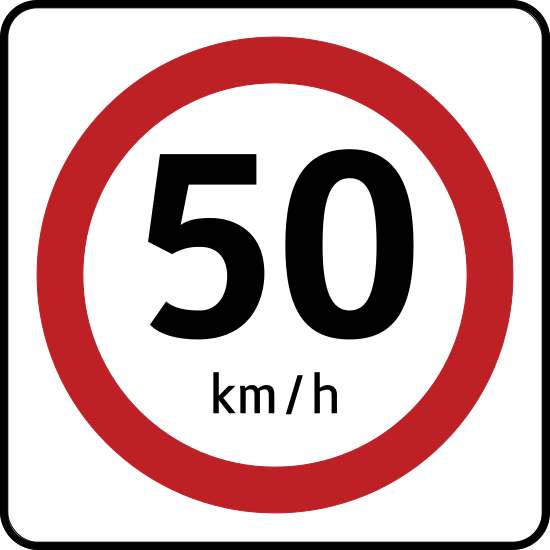 Urban areas
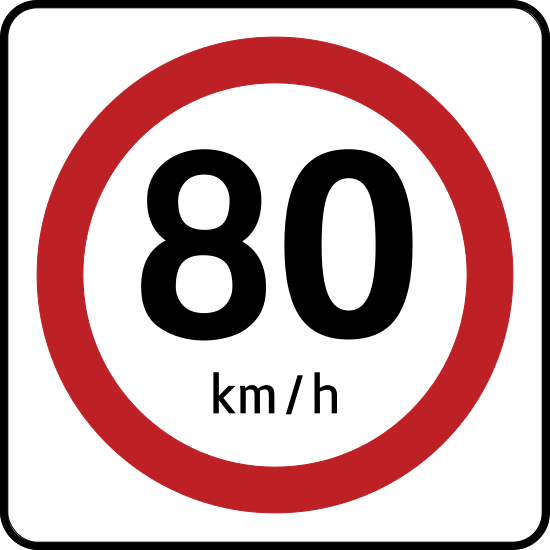 Rural roads
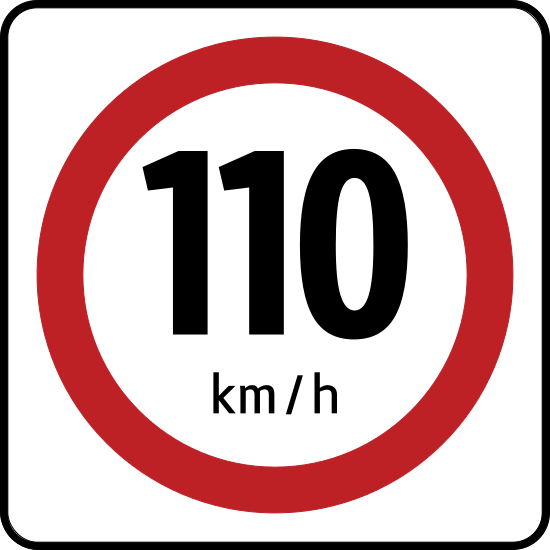 Highways
Driving information
Important rules
- Drive on the RIGHT side of the road
- Mandatory use of seat belts for all passengers
- BAC limit 0.04-0.08% varies by state (zero tolerance for novice/commercial drivers)
- Child safety seats mandatory for children under 5
- Daytime running lights recommended
- Insurance mandatory
Ready to pass your Mexico driving test?
Start practicing for free today and pass your theory test first time.
Road signs
Learn all the road signs you need to know
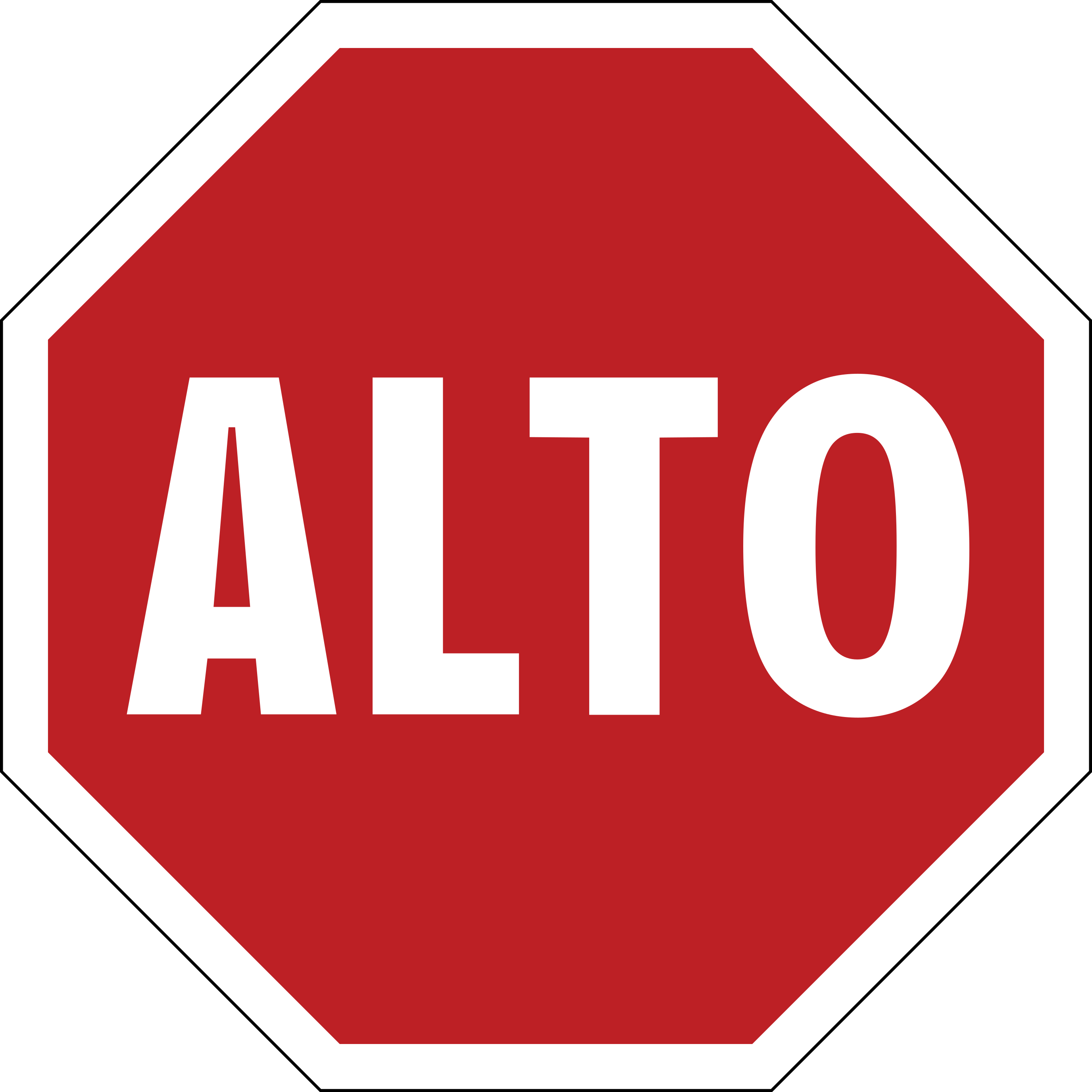 Alto stop
 Yield triangle
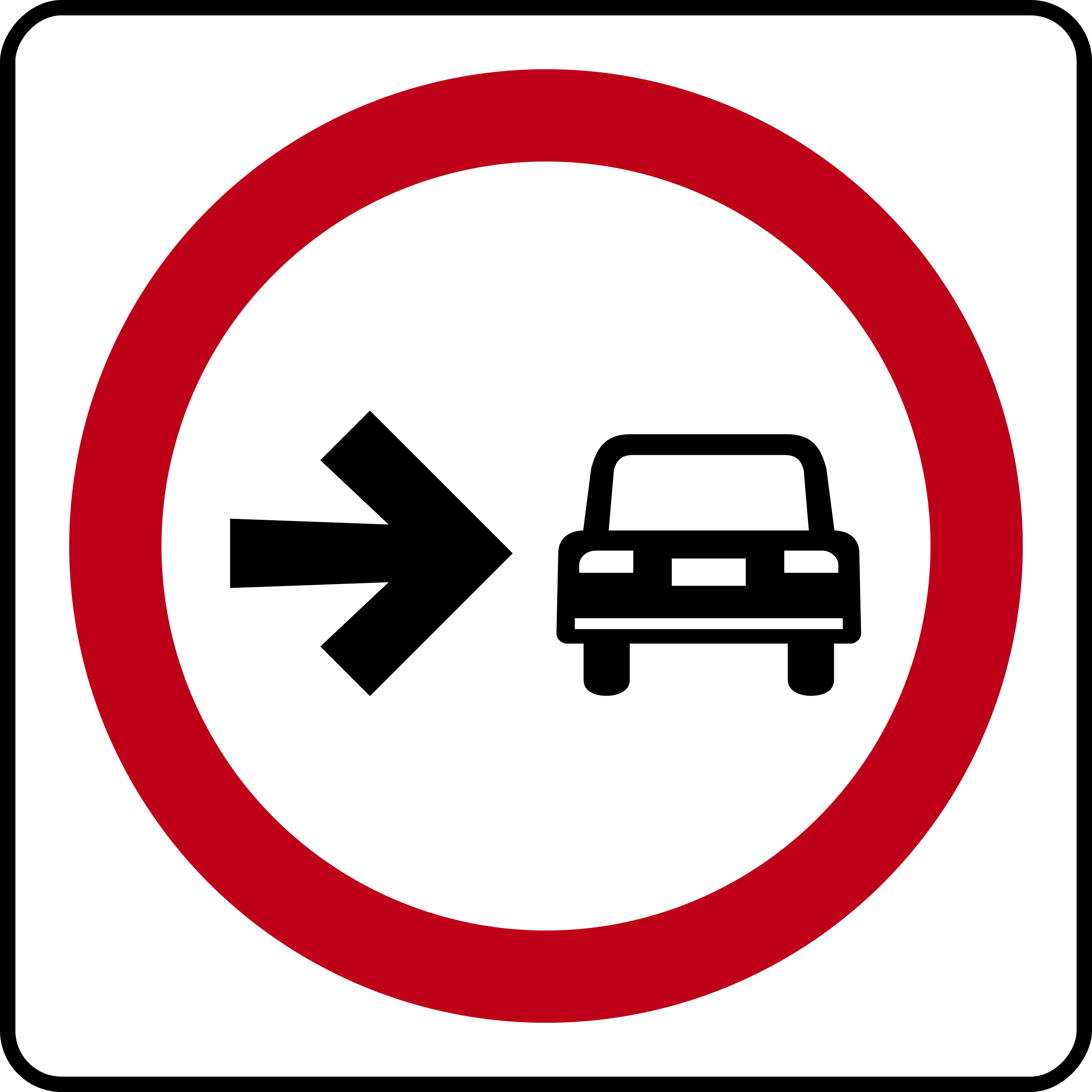 No entry right turn vehicles
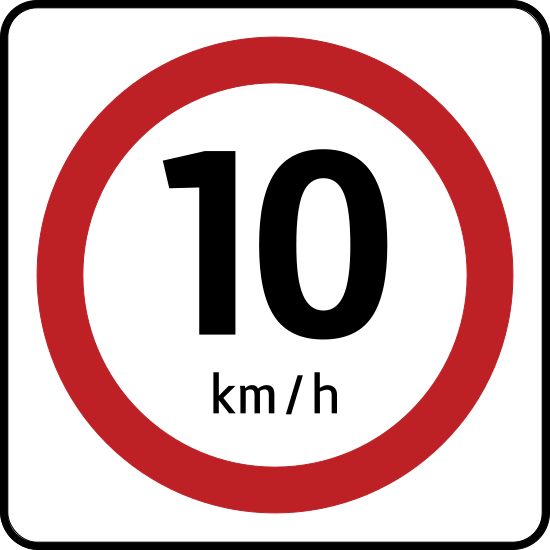 Speed limit 10
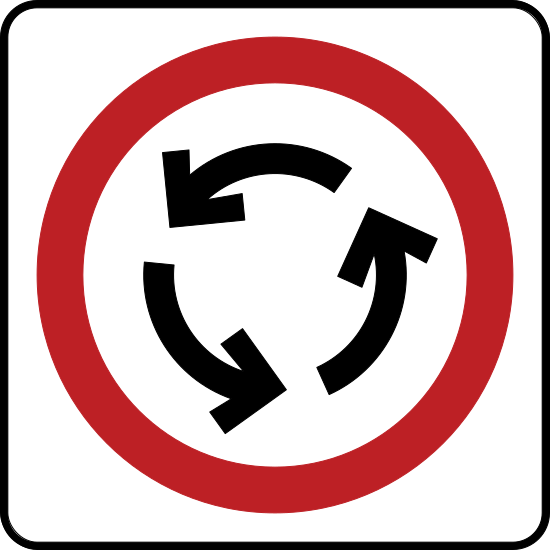 Roundabout mandatory
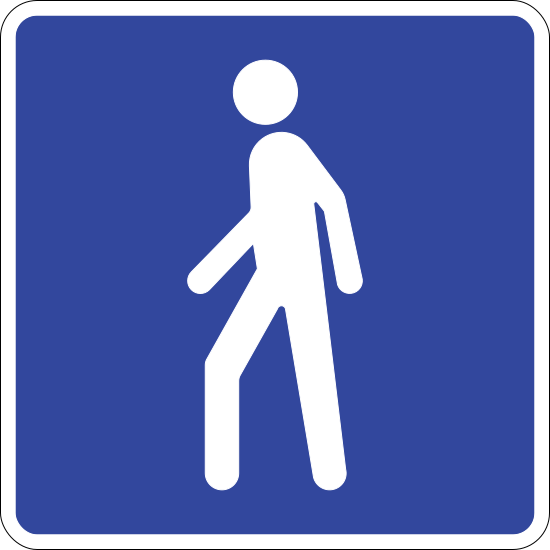 Pedestrian area
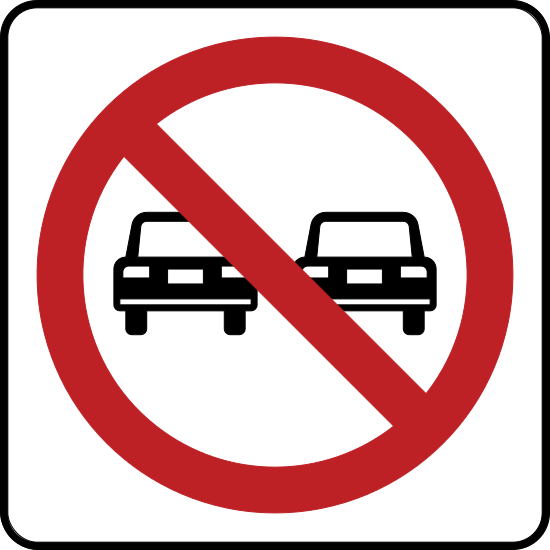 No overtaking
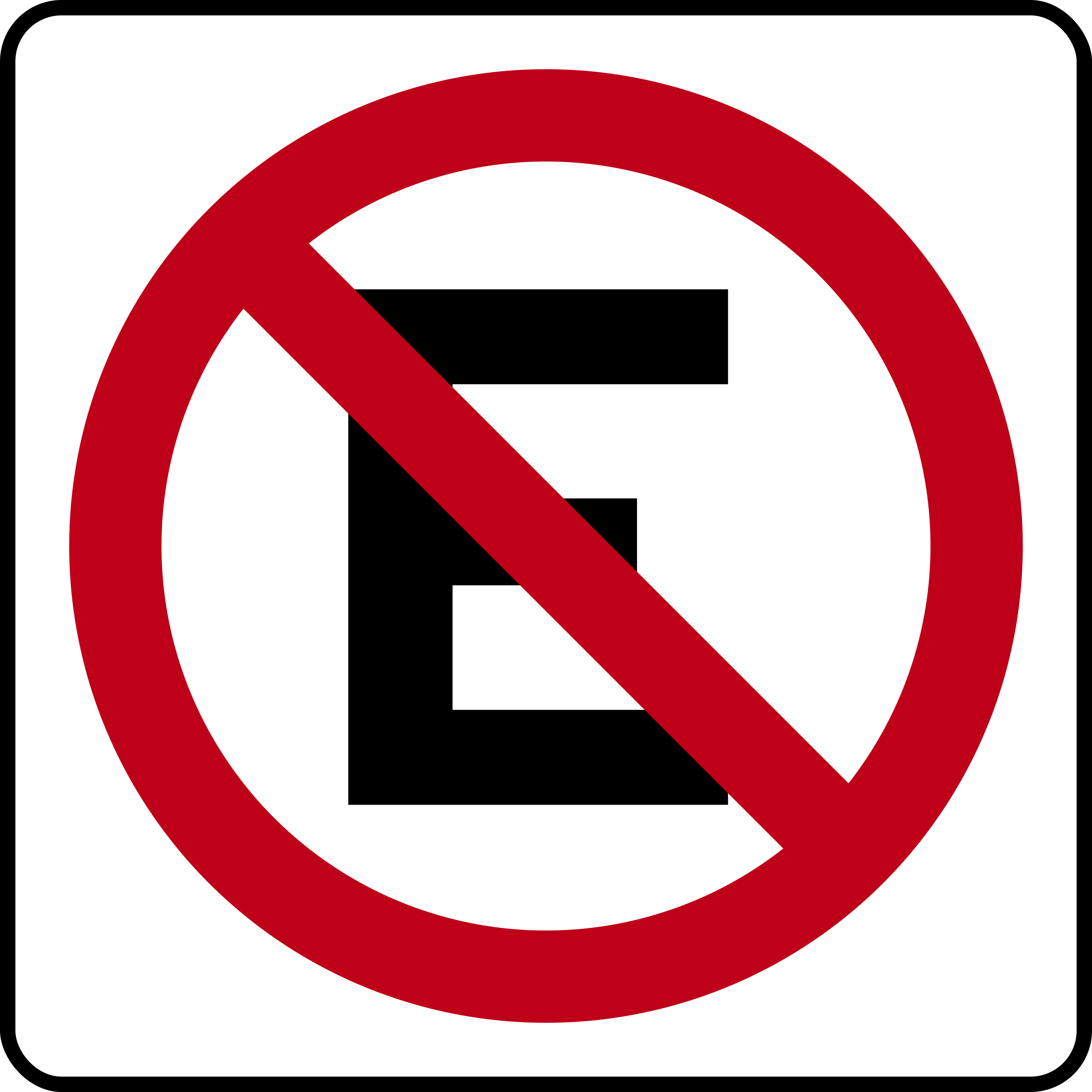 No parking
Driving lessons that actually teach you
Not just theory. Step-by-step lessons that show you exactly what to do in real driving situations.
How it works
One free account, and everything adapts to the exam you'll actually sit.
Get started freeFree to start — your first tests, lessons and scenarios cost nothing.
Your country's exam
Tests, lessons and rules switch to your country's official exam — in English or your own language. 68 countries covered.
Practise the real exam
2,200+ practice tests with 50,000+ questions in the official format, each answer explained with the rule behind it.
Explanations when you're stuck
Every answer comes with the rule behind it, so you know exactly what to practise next.
Learn the safety essentials
Short lessons on emergency situations, stopping distances and seatbelts — knowledge you keep long after the test.
Build driving confidence
Six focused modules take you from reading your car's dashboard to staying calm on test day, including your first solo drives.
Plus progress tracking, certificates and more — new countries and features ship regularly.
Ready to pass your Mexico driving test?
Start practicing for free today and pass your theory test first time.
Free to start · Premium from MX$89/month
Frequently asked questions
How many questions are on the Mexico driving test?
The SICT driving theory test has 30 questions. You need 24/30 to pass.
How long is the SICT theory test?
You have 30 minutes to complete the SICT driving theory test.
What is the pass mark for the Mexico driving test?
You need 24/30 to pass the SICT theory test (30 questions).
How much does the SICT test cost?
The SICT driving theory test costs approximately MXN 500-1,500 (varies by state).
Is AutoviaTest free to use?
Yes! You can start practicing for free. We offer both free and premium plans to suit your needs.