
 Complete guide 2026Updated April 2026
Greek Driving Licence 2026 The Complete Guide
Everything you need to know about getting your driving licence in Greece — theory test format (30 questions, 96.7% pass mark), training costs (€1,000–1,500), ΚΟΚ traffic code, 0.05% BAC limit, 2025 recidivism-based penalty system, KTEO vehicle inspections, and driving across 13 regions.
Table of Contents
Theory Test
30 multiple-choice questions, 35 minutes.
Must answer at least 29 out of 30 correctly (96.7%) to pass. Questions cover traffic signs, right-of-way, ΚΟΚ regulations, and road safety. Computer-based test administered at Ministry of Transport examination centres across Greece.
Total Cost
€1,000–1,500 total for Category B.
Driving school fees €700–1,100 (25 mandatory practical lessons of 45 min each), medical certificate €50–80, theory exam fee ~€15, practical exam fee ~€15, licence issuance ~€30. Athens and Thessaloniki tend to be more expensive.
Road Deaths
646 fatalities in 2023 (~6.1 per 100,000 population).
Greece has improved significantly since the 2000s but remains above the EU average. Motorcycle and moped riders account for a high proportion of casualties, especially on islands and in Athens.
BAC Limits
0.05% BAC for standard drivers.
0.02% BAC for novice drivers (first 2 years after licence) and professional/commercial drivers. Penalties (Sept 2025 Traffic Code): €350 fine + 30-day suspension for BAC 0.05–0.08%, up to €1,200+ and licence revocation for high BAC levels (>0.11%).
Penalty System
Since September 2025, Greece replaced its additive point system with a recidivism-based penalty framework under the new Traffic Code.
Repeat offenders within 5 years face escalating penalties: doubled fines, longer licence suspensions, and mandatory retraining. Severe violations (DUI, dangerous driving) trigger immediate suspension on first offence.
Global Context
Greece's road death rate (~6.1/100K) is above the EU average (~4.6) but has fallen dramatically since 2000 (1,675 deaths).
BAC limit (0.05%) matches most EU countries. Licence cost (~€1,200 avg) is moderate-to-high for Southern Europe. The theory test pass mark (96.7%) is among the strictest in Europe.
Greece Road Safety: 3-Year Trend (2021–2023)
Greece has made significant progress in road safety over the past two decades, reducing annual fatalities from over 1,600 in 2000 to 646 in 2023. However, the country remains above the EU average, with motorcycle/moped crashes, rural road accidents, and summer tourist traffic contributing to fatalities.
Year-over-year changes
Deaths per 100,000 Population
- Greece6.1
 Portugal5.6
 Italy5.2
 France4.6
 Spain3.8
Source: European Commission Road Safety Statistics, ELSTAT, WHO Global Status Report on Road Safety. Per-capita rates are estimates and may vary by methodology.
Greek Theory Test Format
Computer-based theory test administered at Ministry of Transport examination centres across Greece
The Greek driving theory test (θεωρητικές εξετάσεις) for Category B consists of 30 multiple-choice questions to be completed within 35 minutes. To pass, you must answer at least 29 out of 30 correctly (96.7%). Questions are drawn from an official question bank covering traffic signs, signals, road markings, right-of-way rules, speed limits, ΚΟΚ regulations, vehicle safety, and road safety principles. The test is computer-based and administered at regional Transport Directorate offices (Διεύθυνση Μεταφορών) across all 13 regions. You must be enrolled in a licensed driving school to register for the exam. After passing the theory, candidates proceed to the practical driving test.
Questions
Duration
Pass Mark
Test Fee
What the Theory Test Covers
- Traffic signs, signals & road markings
- Right-of-way rules at intersections
- Speed limits by road type
- Prohibited manoeuvres & parking rules
- Pedestrian & cyclist priority rules
- KTEO vehicle inspection requirements
- Mandatory safety equipment (triangle, vest, fire extinguisher)
- Tyre and brake maintenance
- Emergency procedures & first aid basics
- Environmental driving practices
- Alcohol and drug driving laws
- Recidivism-based penalty system (Sept 2025 Traffic Code)
- Insurance and document requirements
- Motorway driving rules
- Special conditions: island roads, mountain passes, tunnels
How to Get Your Greek Driving Licence
From driving school to δίπλωμα οδήγησης — the complete process
- 1
Obtain a Medical Certificate
Visit an approved physician for a driving fitness health check
Includes vision test, general health assessment, and sometimes psychological evaluation. Cost: €50–80. Valid for the application period.
- 2
Enrol at a Driving School
Register at a licensed driving school (σχολή οδηγών)
Theory lessons (minimum 20 hours) and practical driving lessons (minimum 25 lessons of 45 min each for Category B manual, 14 for automatic). Total school fee: €700–1,100.
- 3
Complete Theory Training
Attend all required theory lessons at the driving school
Covers ΚΟΚ, traffic signs, right-of-way, speed limits, vehicle safety, and road safety principles.
- 4
Pass the Theory Test
Take the computer-based theory exam at the regional Transport Directorate
30 multiple-choice questions, 35 minutes, must score 29/30 (96.7%). Fee: ~€15 (paravolo). Can retake after 7 days if failed.
- 5
Complete Practical Training
Complete all mandatory practical driving lessons with your instructor
Minimum 25 lessons (45 min each) for manual, 14 for automatic Category B. Must include day, night, and motorway driving.
- 6
Pass the Practical Test
Demonstrate driving competence with an examiner in the car
25–45 minute test in real traffic. Evaluated on vehicle control, hazard awareness, rule compliance, and safe driving. Fee: ~€15 (paravolo).
- 7
Receive Your Driving Licence
Collect your δίπλωμα οδήγησης from the Transport Directorate
Licence issuance fee: ~€30. Processing time: 2–4 weeks. EU-format credit-card style licence.
Greek Driving Licence Fees
Typical total cost €1,000–1,500 for Category B — varies by region and driving school
| Fee | Amount |
|---|---|
| Theory exam fee (paravolo) | ~€15 |
| Practical exam fee (paravolo) | ~€15 |
| Licence issuance fee | ~€30 |
| Medical certificate | €50–80 |
| Driving school — theory lessons | €200–350 |
| Driving school — practical lessons (25 lessons) | €500–800 |
| First aid certificate (if required) | €30–50 |
| Total Typical (Category B) | €1,000–1,500 |
Prices vary significantly by region and driving school. Athens and Thessaloniki tend to be more expensive. Additional retake fees apply for failed attempts. Some driving schools offer package deals including all fees.
See how ready you are — practice with real exam questions
Try Free QuestionsMinimum age by licence category
- AM — Mopeds up to 50cc / 45 km/hRequires theory test only16years
- A1 — Motorcycles up to 125cc / 11 kW18years
- A2 — Motorcycles up to 35 kWProgressive access from A120years
- A — Unrestricted motorcyclesDirect access or progressive from A224years
- B — Cars up to 3,500 kg, max 8 passengers + driverManual & automatic18years
- C — Trucks over 3,500 kgRequires Category B first21years
- D — Buses with 8+ passenger seatsRequires Category B first24years
- BE / CE / DE — Trailer combinationsRequires base category21years
Licence Validity Periods
| Licence / age | Validity |
|---|---|
| AM / A1 / A2 / A (Motorcycle)Renewal with medical exam after expiry | 15 years |
| B (Car)Renewal with medical exam after expiry | 15 years |
| C / CE (Truck)Medical exam required for each renewal | 5 years |
| D / DE (Bus)Medical exam required for each renewal | 5 years |
Novice Driver Restrictions
- First 2 years: stricter BAC limit of 0.02%
- First 2 years: lower speed limits on some roads
- Night driving restrictions may apply for under-18 moped riders
- Must display green 'N' sticker (novice) for first year
- Additional penalty point consequences for novice drivers
Recidivism-Based Penalty System (Sept 2025)
- The Sept 2025 Traffic Code replaced the old additive point system
- Repeat offences within 5 years trigger escalating penalties (doubled fines, longer suspensions)
- Severe violations (DUI, dangerous driving): immediate suspension on 1st offence
- 3rd repeat offence within 5 years: mandatory licence revocation and retraining
- Penalty history tracked digitally via the Ministry of Transport database
Speed Limits in Greece
As per ΚΟΚ (Greek Traffic Code) — all speeds in km/h
Greece's speed limits follow the standard European structure. In urban areas (within town boundaries), the default limit is 50 km/h for all vehicles. On non-urban roads (outside town limits), cars and motorcycles >125cc are limited to 90 km/h. On expressways/national highways, the limit is 110 km/h. On motorways (autokinitodromoi), cars and motorcycles >125cc can travel up to 130 km/h. Trucks and buses generally follow lower limits. Posted signs always take precedence over default limits. Greece has extensive speed camera enforcement, especially on motorways and national roads.
| Road Type | Cars | Motorcycles | Trucks / Buses | Note |
|---|---|---|---|---|
| Urban areas | 50 | 50 | 50 | Within town/city boundaries |
| Non-urban roads | 90 | 90 | 80 | Outside town limits (national roads) |
| Expressways | 110 | 110 | 90 | Dual carriageway national highways |
| Motorways (Autokinitodromoi) | 130 | 130 | 90 | Tolled motorways — minimum 60 km/h |
Urban areas
Cars: 50Motorcycles: 50Trucks / Buses: 50Within town/city boundaries
Non-urban roads
Cars: 90Motorcycles: 90Trucks / Buses: 80Outside town limits (national roads)
Expressways
Cars: 110Motorcycles: 110Trucks / Buses: 90Dual carriageway national highways
Motorways (Autokinitodromoi)
Cars: 130Motorcycles: 130Trucks / Buses: 90Tolled motorways — minimum 60 km/h
Posted speed signs always take precedence over default limits. Novice drivers (first 2 years) may face lower speed limits. School zones are typically 30 km/h. Speed cameras are widespread on Greek motorways and national roads.
Traffic Fines & Penalties
As per ΚΟΚ and recent legislative amendments — fines have increased significantly since 2022
Greece overhauled traffic fines with the September 2025 Traffic Code. Running a red light carries a €700 fine, speeding more than 30 km/h over the limit costs €350+, and drunk driving (BAC 0.05–0.08%) now carries €350 plus a 30-day licence suspension. Mobile phone use while driving carries €350 plus a 1-month suspension. The new recidivism-based penalty system means repeat offenders within 5 years face doubled fines and longer suspensions.
Up to €200€201–€500Over €500
| Violation | Fine (€) | Recidivism | Additional Penalty |
|---|---|---|---|
| Running red light | €700 | — | 60-day licence suspension |
| DUI — BAC 0.05–0.08% | €350 | — | 30-day licence suspension |
| DUI — BAC 0.08–0.11% | €700 | — | 180-day licence suspension |
| DUI — BAC >0.11% | €1,200 | — | Licence revocation + criminal charges |
| Speeding 20–30 km/h over | €100 | — | — |
| Speeding 30–50 km/h over | €350 | — | 30-day licence suspension |
| Using phone while driving | €350 | — | 1-month licence suspension (1st offence) |
| No seatbelt | €350 | — | 1-month licence suspension |
| Illegal parking (disability space) | €200 | — | Vehicle towed |
| No valid KTEO (inspection expired) | €150 | — | Plates confiscated until KTEO completed |
- €70060-day licence suspension
Running red light
- €35030-day licence suspension
DUI — BAC 0.05–0.08%
- €700180-day licence suspension
DUI — BAC 0.08–0.11%
- €1,200Licence revocation + criminal charges
DUI — BAC >0.11%
- €100
Speeding 20–30 km/h over
- €35030-day licence suspension
Speeding 30–50 km/h over
- €3501-month licence suspension (1st offence)
Using phone while driving
- €3501-month licence suspension
No seatbelt
- €200Vehicle towed
Illegal parking (disability space)
- €150Plates confiscated until KTEO completed
No valid KTEO (inspection expired)
Fines reflect the September 2025 Traffic Code (new ΚΟΚ). Half-fine discount available if paid within 10 days for certain violations. Under the recidivism-based system, repeat offences within 5 years trigger doubled fines and longer suspensions.
Know These Rules Before Your Theory Test
Traffic fines, speed limits, and the penalty point system are tested in the Greek theory exam. Practice with real exam-style questions.
How the road worksMandatory, with a penaltyMakes it easier
Drive on the Right
Greece uses right-hand traffic.
Overtake on the left. On multi-lane roads, keep right except when overtaking. Vehicles entering roundabouts must yield to traffic already in the roundabout.
Alcohol Limits
0.05% BAC for standard drivers.
0.02% BAC for novice drivers (first 2 years) and professional drivers. Penalties (Sept 2025 Traffic Code): €350–1,200 fines plus licence suspension or revocation for high levels.
Mandatory Equipment
All vehicles must carry a warning triangle, reflective vest, fire extinguisher, and first aid kit (mandatory — fine €40–80 if missing).
Spare bulb kit formerly required but no longer mandatory. Ensure all equipment is accessible, not buried in luggage.
KTEO Vehicle Inspection
KTEO (Κέντρο Τεχνικού Ελέγχου Οχημάτων) inspection is mandatory for all vehicles.
First inspection at 4 years for private cars, then every 2 years. Commercial vehicles inspected annually. Expired KTEO results in €150 fine and plate confiscation.
Compulsory Insurance
Third-party motor vehicle liability insurance is mandatory.
You must carry proof of insurance at all times while driving. Driving without insurance results in fines, plate confiscation, and potential criminal charges.
Toll Roads & Motorways
Most Greek motorways are tolled.
Payment at toll booths by cash or e-pass transponder. Attiki Odos (Athens ring road) uses electronic tolling. Running a toll without paying results in substantial fines.
Phone Use Prohibited
Handheld phone use prohibited while driving.
Fine: €350 plus 1-month licence suspension (1st offence, Sept 2025 Traffic Code). Hands-free Bluetooth or earpiece permitted. Applies to both cars and motorcycles.
Seatbelts & Child Seats
Seatbelts mandatory for all occupants in front and rear seats.
Children under 1.35m must use appropriate child restraint systems. Children under 3 prohibited in front seat. Fine for no seatbelt: €350.
Motorcycle Helmet Law
Helmets mandatory for all motorcycle and moped riders and passengers.
Must be properly fastened. Fine: €350 for rider, €350 for unhelmeted passenger. Greek law requires approved ECE helmets.
Common Road Hazards in Greece
646 road fatalities in 2023 — know these hazards to stay safe on Greek roads
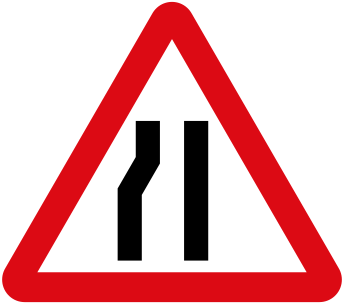
Island & Mountain Roads
Narrow, winding roads with sharp bends, steep drops, and no guardrails — particularly on Cycladic islands, Crete, and mountain passes in the Peloponnese and Epirus
Summer Heat & Tourist Traffic
Extreme heat (40°C+) causes tyre blowouts, overheating, and driver fatigue. Tourist season (June–September) dramatically increases traffic, especially on islands and coastal roads

Aggressive Driving Culture
Overtaking on blind corners, tailgating, and ignoring speed limits are common, particularly on rural roads and island roads. Defensive driving is essential
Motorcycle Hazards
Motorcycles and mopeds are extremely common, especially in Athens and on islands. Riders often weave through traffic. Watch for mopeds not obeying traffic signals
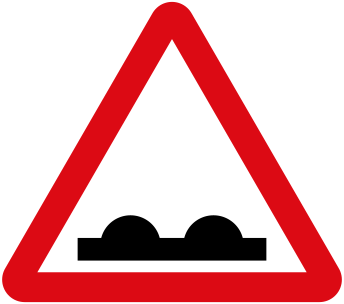
Road Surface Quality
Some rural and island roads have poor surface quality — potholes, gravel patches, and unmarked speed bumps. Condition deteriorates after winter rains
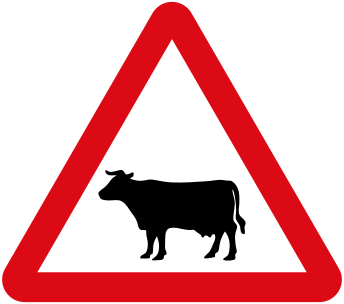
Stray Animals
Goats, sheep, dogs, and cats on roads, especially in rural areas and islands. Herds sometimes block rural roads entirely
Greece's 13 Administrative Regions
Driving licence administration is handled by the regional Transport Directorate (Διεύθυνση Μεταφορών) in each of 13 regions
- 1AtticaAthens3.8M
- 2Central MacedoniaThessaloniki1.9M
- 3CreteHeraklion634K
- 4ThessalyLarissa733K
- 5Western GreecePatras680K
- 6Central GreeceLamia547K
- 7PeloponneseTripoli577K
- 8Eastern Macedonia & ThraceKomotini608K
- 9Western MacedoniaKozani283K
- 10EpirusIoannina336K
- 11Ionian IslandsCorfu207K
- 12North AegeanMytilene199K
- 13South AegeanErmoupoli344K
Greece has 13 administrative regions (perifereies). Driving licence testing is administered by regional Transport Directorates (Διεύθυνση Μεταφορών). Test availability and wait times vary by region. Attica (Athens) has the longest wait times.
Myth: Traffic rules in Greece are just suggestions that nobody follows
Fact: While enforcement was historically lax, Greece has significantly increased speed camera coverage, digital fine collection, and penalty point enforcement since 2022. Fines have also been substantially increased, making violations much more costly.
Myth: You can drink and drive as long as you feel sober
Fact: Greece enforces a 0.05% BAC limit for standard drivers and 0.02% for novice and professional drivers. Even one or two drinks can put you over 0.05%. Random breath tests are common, especially in summer and around holidays.
Myth: You don't need a licence to drive a moped or ATV on Greek islands
Fact: A valid licence is required for ALL motor vehicles in Greece, including mopeds (Category AM) and ATVs. Tourists often rent mopeds on islands without a licence — this is illegal and insurance will not cover accidents. Greek police conduct checks, especially during summer.
Myth: Speed limits are just guidelines on Greek motorways
Fact: Greek motorways have extensive speed camera networks. The motorway limit is 130 km/h for cars. Fines for exceeding 30+ km/h over the limit start at €350 with licence suspension. Average-speed cameras are increasingly common on toll motorways.
Myth: The Greek theory test is easy and doesn't require much preparation
Fact: The pass mark is 29/30 (96.7%) — one of the strictest in Europe. You can only get 1 question wrong out of 30. Questions cover detailed ΚΟΚ regulations, complex right-of-way scenarios, and specific penalty amounts. Proper preparation with the official question bank is essential.
Myth: Parking is not strictly enforced in Greek cities
Fact: Illegal parking enforcement has increased substantially in Athens and Thessaloniki. Fines range from €40 to €200 (disability space). Vehicles can be towed, and plates confiscated. The municipal police actively patrol and issue tickets.
New Traffic Code (September 2025) — major overhaul
Greece enacted a comprehensive new Traffic Code replacing the additive penalty point system with a recidivism-based framework. Key changes: phone use fine raised to €350 + 1-month suspension, seatbelt fine €350 + 1-month suspension, DUI 0.05–0.08% now €350 + 30-day suspension. Digital licence via Gov.gr Wallet also became legally valid.
Increased speed camera enforcement
Greece expanded its network of fixed and average-speed cameras on motorways and national roads. New cameras installed on Attiki Odos, Olympia Odos, and Egnatia Odos with automatic fine processing.
Updated fines and penalty point values
ΚΟΚ amendments increased fines for serious violations including red light running (€700), no seatbelt (€350), and high-level drink driving (€1,200). Penalty point values also adjusted upward.
Digital fine payment via TaxisNet
Online payment of traffic fines became available through the TaxisNet/AADE platform, making it easier to pay fines promptly and receive the 50% early payment discount.
Law 4850/2021 — penalty point system (now superseded)
The penalty point system was updated with Law 4850/2021. This system has since been superseded by the September 2025 Traffic Code which replaced the additive point system with recidivism-based penalties.
COVID-19 driving restrictions and digital services
Lockdown periods saw movement restrictions and reduced traffic. The crisis accelerated digitalization of transport services, including online appointment booking for KTEO and driving school registration.
How Greece Compares to Other EU Countries
Greece's driving regulations compared to Southern European peers — data compiled from official government sources
| Parameter | Greece | Italy | Spain | Portugal | France |
|---|---|---|---|---|---|
| BAC Limit | 0.05% | 0.05% | 0.05% | 0.05% | 0.05% |
| Min. Age (Car) | 18 | 18 | 18 | 18 | 18 |
| Driving Side | Right | Right | Right | Right | Right |
| Motorway Speed | 130 | 130 | 120 | 120 | 130 |
| Test Questions | 30 | 40 | 30 | 30 | 40 |
| Licence Cost | €1K–1.5K | €800–1.5K | €600–1.2K | €500–800 | €1K–2K |
| Road Deaths/yr | 646 | 3,039 | 1,790 | 573 | 3,170 |
| Deaths/100K | ~6.1 | ~5.2 | ~3.8 | ~5.6 | ~4.6 |
BAC Limit
Greece: 0.05%Italy: 0.05%Spain: 0.05%Portugal: 0.05%France: 0.05%Min. Age (Car)
Greece: 18Italy: 18Spain: 18Portugal: 18France: 18Driving Side
Greece: RightItaly: RightSpain: RightPortugal: RightFrance: RightMotorway Speed
Greece: 130Italy: 130Spain: 120Portugal: 120France: 130Test Questions
Greece: 30Italy: 40Spain: 30Portugal: 30France: 40Licence Cost
Greece: €1K–1.5KItaly: €800–1.5KSpain: €600–1.2KPortugal: €500–800France: €1K–2KRoad Deaths/yr
Greece: 646Italy: 3,039Spain: 1,790Portugal: 573France: 3,170Deaths/100K
Greece: ~6.1Italy: ~5.2Spain: ~3.8Portugal: ~5.6France: ~4.6
Greece
Same as Italy, Spain, Portugal. France is 0.05% as well. All have lower limits (0.02%) for novice drivers.
Same as Italy, Spain, and Portugal. France allows accompanied driving from 15.
Italy 130, Spain 120, Portugal 120, France 130. Greece matches Italy and France.
Italy €800–1,500, Spain €600–1,200, Portugal €500–800, France €1,000–2,000. Greece is moderate-to-high.
~6.1 per 100K — above EU average (~4.6). Italy 3,039, Spain 1,790, Portugal 573, France 3,170.
Road deaths: Greece 646 (ELSTAT 2023), Italy 3,039 (ACI/ISTAT 2023), Spain 1,790 (DGT 2023), Portugal 573 (ANSR 2023), France 3,170 (ONISR 2023). Per-capita: Greece ~6.1, Italy ~5.2, Spain ~3.8, Portugal ~5.6, France ~4.6 per 100K.
Primary Sources
Verification Methodology
Every fact on this page has been cross-referenced against at least two authoritative sources. Our process:
- 1Primary data collected from Greek legislation (ΚΟΚ) and Ministry of Transport regulations
- 2Cross-verified against ELSTAT, European Commission, and WHO reports
- 3Regional variations noted where applicable (fees differ by region and driving school)
- 4Page reviewed and fact-checked on March 27, 2026
If you find an error, please contact us so we can correct it immediately.
Frequently Asked Questions
How much does a driving licence cost in Greece?
A Category B driving licence in Greece typically costs €1,000–1,500 total. This includes: driving school theory lessons (€200–350), practical driving lessons — 25 lessons of 45 min each (€500–800), medical certificate (€50–80), theory exam fee ~€15, practical exam fee ~€15, and licence issuance ~€30. Athens and Thessaloniki tend to be at the higher end.
What is the Greek theory test format?
The theory test (θεωρητικές εξετάσεις) for Category B consists of 30 multiple-choice questions from an official question bank. You have 35 minutes and must answer at least 29 correctly (96.7%). Questions cover traffic signs, ΚΟΚ regulations, right-of-way, speed limits, and road safety. The test is computer-based at regional Transport Directorates.
What is the blood alcohol limit in Greece?
Greece enforces a 0.05% BAC limit for standard drivers and 0.02% for novice drivers (first 2 years) and professional/commercial drivers. Penalties (Sept 2025 Traffic Code): BAC 0.05–0.08%: €350 fine + 30-day suspension. BAC 0.08–0.11%: €700 + 180-day suspension. BAC >0.11%: €1,200 + licence revocation + criminal charges.
What are the speed limits in Greece?
Urban areas: 50 km/h. Non-urban roads: 90 km/h (cars and motorcycles >125cc). Expressways: 110 km/h (cars and motorcycles >125cc). Motorways: 130 km/h (cars and motorcycles >125cc), 60 km/h minimum. Trucks and buses follow lower limits. Posted signs always take precedence.
What are the emergency numbers in Greece?
112 — European Emergency Number (multilingual). 100 — Police (Αστυνομία). 166 — Ambulance / EKAB. 199 — Fire Department (Πυροσβεστική). All toll-free, 24/7. 112 operators speak English and other EU languages.
Can I drive in Greece with my foreign licence?
EU/EEA licence holders can drive freely in Greece. Non-EU licence holders need an International Driving Permit (IDP) alongside their national licence. US, Canadian, and Australian IDP holders can drive for up to 6 months. After establishing residency, conversion to a Greek licence is required.
What is the penalty point system in Greece?
Since September 2025, Greece replaced the old additive point system with a recidivism-based penalty framework. Repeat offences within 5 years trigger escalating penalties: doubled fines, longer licence suspensions, and mandatory retraining. Severe violations (DUI, dangerous driving) result in immediate suspension even on first offence. The 3rd repeat offence within 5 years triggers mandatory licence revocation.
What is KTEO and how often do I need an inspection?
KTEO (Κέντρο Τεχνικού Ελέγχου Οχημάτων) is the mandatory vehicle inspection in Greece. Private cars: first inspection at 4 years old, then every 2 years. Commercial vehicles: annually. Taxis: annually. Motorcycles: first at 4 years, then every 2 years. Expired KTEO: €150 fine + plates confiscated.
Do I need a licence to ride a moped on Greek islands?
Yes, absolutely. Category AM licence is required for mopeds (up to 50cc / 45 km/h). Tourists who rent mopeds or ATVs without a valid licence are driving illegally. Insurance will NOT cover any accidents. Greek police actively check licences on islands during tourist season.
What mandatory equipment must I carry in my car in Greece?
Greek law requires: warning triangle, reflective vest (must be accessible inside the cabin, not in the trunk), fire extinguisher, and first aid kit (mandatory — fine €40–80 if missing). If renting a car, check that all mandatory equipment is present.
How does toll payment work on Greek motorways?
Greek motorways use toll booths with cash lanes and electronic transponder lanes (e-pass). Major operators: Attiki Odos (electronic only), Olympia Odos, Egnatia Odos, and Nea Odos. E-pass transponders can be rented or purchased. Cash lanes accept coins and bills. Running a toll without payment results in fines.
Is driving in Greece dangerous?
Greece's road fatality rate (~6.1 per 100K, 646 deaths in 2023) is above the EU average but has improved dramatically since the 2000s. Main risks: aggressive driving culture, narrow winding island/mountain roads, summer tourist traffic, and motorcycle hazards. Defensive driving, avoiding mountain roads at night, and respecting speed limits significantly reduce risk.
Cite This Page
Use the following citations when referencing this article in academic papers, journalism, or reports.
APA 7th Edition
AutoviaTest. (2026, March 27). Greece driving licence facts 2026 — theory test, fees, fines & rules. https://autoviatest.com/en/driving-test/greece/facts
MLA 9th Edition
AutoviaTest. "Greece Driving Licence Facts 2026 — Theory Test, Fees, Fines & Rules." AutoviaTest, 27 Mar. 2026, autoviatest.com/en/driving-test/greece/facts.
Chicago 17th Edition
AutoviaTest. "Greece Driving Licence Facts 2026 — Theory Test, Fees, Fines & Rules." Last modified March 27, 2026. https://autoviatest.com/en/driving-test/greece/facts.
Ready to Pass Your Greek Driving Theory Test?
Practice with official theory questions and detailed explanations. Available in Greek and English.
More Country Driving Guides
Italian Driving Licence Facts & GuideTheory test format, fees, speed limits, traffic fines, and everything about driving in Italy.Spanish Driving Licence 2026 — The Complete GuideDGT test format, driving school costs, speed limits, and traffic rules.Portuguese Driving Licence 2026 — The Complete GuideIMT test format, driving school costs, speed limits, and traffic rules.French Driving Licence 2026 — The Complete GuideCode de la route, driving school costs, speed limits, and the points system.