
 Complete guide 2026Updated April 2026
New Zealand Driving Licence 2026 The Complete Guide
Everything you need to know about getting your driving licence in New Zealand -- Waka Kotahi theory test format (35 questions, 32/35 pass), graduated licence system (learner-restricted-full), WoF requirements, demerit points, and driving on the left.
Table of Contents
Theory Test
35 multiple-choice questions on a touchscreen computer at a Waka Kotahi agent.
Must score at least 32/35 (91%) to pass. Questions cover road rules, signs, safe driving practices, and hazard awareness. No time limit but typically takes 30 minutes.
Graduated Licence
New Zealand uses a three-stage graduated driver licensing system (GDLS): Learner licence (minimum age 16, must drive with supervisor), Restricted licence (can drive alone with conditions), and Full licence.
Each stage has minimum holding periods before progressing.
Road Deaths
Approximately 290 fatalities in 2024 (provisional), the lowest since 2014, with a rate of ~5.6 per 100,000 population.
Speed, alcohol/drugs, and not wearing seatbelts remain the top contributing factors. Rural roads account for a disproportionate share of fatal crashes.
BAC Limit
0.05% BAC (50 mg per 100 ml blood) for drivers aged 20 and over.
Absolute zero tolerance (0.00%) for drivers under 20. Penalties include instant licence suspension, fines up to NZD 10,000, and potential imprisonment for serious offences.
Demerit Points
New Zealand operates a demerit point system where drivers accumulate points for traffic offences.
Reaching 100 or more demerit points within any 2-year period results in a 3-month licence suspension. Points range from 10 to 50 per offence.
Global Context
New Zealand's road death rate (~5.6/100K) is higher than Australia (~4.5/100K) and the UK (~2.8/100K) but lower than the USA (~12.2/100K).
The graduated licence system and left-hand traffic are shared with Australia and the UK. WoF vehicle inspections ensure roadworthiness.
New Zealand Road Safety: 3-Year Trend (2022--2024)
New Zealand's road toll has decreased significantly in recent years. After a spike in 2022 with 378 fatalities, numbers fell to 362 in 2023 and approximately 290 in 2024 -- the lowest since 2014. The government's Road to Zero strategy targets zero road deaths by 2050, with interim targets to reduce deaths and serious injuries by 40% by 2030. Speed management, infrastructure improvements, and impaired driving enforcement are key focus areas.
Year-over-year changes
Deaths per 100,000 Population
 USA12.2
- New Zealand5.6
 Australia4.5
 UK2.8
 Japan2.1
Source: WHO Global Status Report on Road Safety, Waka Kotahi / Ministry of Transport. Per-capita rates are estimates and may vary by methodology.
New Zealand Theory Test Format
Computer-based theory test administered at Waka Kotahi licensing agents across New Zealand
The New Zealand driving theory test consists of 35 multiple-choice questions on a touchscreen computer at any Waka Kotahi licensing agent. You must answer at least 32 out of 35 correctly (91%) to pass. There is no strict time limit, but the test typically takes around 30 minutes. Questions cover the New Zealand Road Code including road rules, traffic signs, safe driving practices, hazard awareness, and sharing the road with other users. The test is available in English and te reo Maori. If you fail, you can resit after a waiting period. The official Road Code handbook is available free online from Waka Kotahi.
Questions
Duration
Pass Mark
Test Fee
What the Theory Test Covers
- Traffic signs, signals & road markings
- Give-way rules at intersections
- Speed limits & safe following distances
- Roundabout rules & lane positioning
- Pedestrian crossings & school zones
- Warrant of Fitness (WoF) requirements
- Seatbelt & child restraint rules
- Tyre condition & vehicle maintenance
- Emergency procedures & crash response
- Towing & load requirements
- Driving in adverse weather conditions
- Sharing the road with cyclists & trucks
- Alcohol & drug impairment effects
- One-lane bridge protocol
- Rural road & gravel road hazards
How to Get Your New Zealand Driving Licence
From learner to full licence -- the graduated driver licensing system
- 1
Apply for a Learner Licence
Pass the theory test at a Waka Kotahi licensing agent
Minimum age 16. Must pass the 35-question theory test (32/35). Bring proof of identity. Eyesight test included. Fee: ~NZD 93 (test + licence).
- 2
Drive on Your Learner Licence
Practice driving with a qualified supervisor at all times
Must display L plates. Supervisor must hold a full NZ licence for 2+ years. No driving between 10 pm and 5 am unless supervised. Zero alcohol tolerance. Hold for minimum 6 months.
- 3
Pass the Restricted Licence Test
Take the practical driving test to get your restricted licence
Must have held learner licence for 6+ months (or 3 months with approved driving course). Practical test ~NZD 87. Can drive alone during the day (5 am -- 10 pm).
- 4
Drive on Your Restricted Licence
Drive alone with conditions -- no passengers unless supervised
Can drive alone 5 am -- 10 pm. Outside these hours or with passengers, must have supervisor. Hold for minimum 18 months (or 12 months with approved advanced course).
- 5
Pass the Full Licence Test
Take the full licence practical test to remove all restrictions
Must have held restricted licence for 18+ months (or 12 months with approved course). More advanced driving assessment. Fee: ~NZD 87.
- 6
Receive Your Full Licence
Drive without restrictions -- valid for 10 years
Full licence valid for 10 years. Can supervise learner drivers after holding full licence for 2 years. Renewal fee applies at expiry. Photo licence card format.
New Zealand Driving Licence Fees
Official Waka Kotahi fees for the graduated licensing process
| Fee | Amount |
|---|---|
| Learner licence (theory test + issue) | ~NZD 93 |
| Restricted licence practical test | ~NZD 87 |
| Restricted licence issue | ~NZD 54 |
| Full licence practical test | ~NZD 87 |
| Full licence issue (10 years) | ~NZD 54 |
| Approved driving course (optional) | NZD 400-800 |
| Licence renewal (10 years) | ~NZD 54 |
| Total Minimum (without driving course) | ~NZD 375 |
Fees shown are approximate Waka Kotahi rates and may be updated. Driving lessons from a professional instructor are optional but recommended (approximately NZD 60-80 per hour). Approved advanced driving courses can reduce minimum holding times. Resit fees apply for failed tests.
See how ready you are — practice with real exam questions
Try Free QuestionsMinimum age by licence category
- Class 1 -- Car (up to 6,000 kg)Most common class16years
- Class 2 -- Medium rigid (up to 18,000 kg)Requires Class 1 full first18years
- Class 3 -- Medium combinationTrailer combinations18years
- Class 4 -- Heavy rigid (over 18,000 kg)Buses, heavy trucks18years
- Class 5 -- Heavy combinationLarge truck + trailer18years
- Class 6 -- MotorcycleSeparate graduated process16years
Licence Validity Periods
| Licence / age | Validity |
|---|---|
| Learner LicenceMust progress to restricted within this time | 5 years |
| Restricted LicenceMust progress to full within this time | 5 years |
| Full Licence (under 75)Standard renewal period | 10 years |
| Full Licence (75+)Medical certificate may be required | 2-5 years |
Demerit Points System
- 100+ demerit points in any 2-year period = 3-month suspension
- Speeding (10-15 km/h over): 10-20 demerit points
- Speeding (over 50 km/h over): 50 demerit points
- Using mobile phone while driving: 20 demerit points
- Failing to stop for a red light: 20 demerit points
Graduated Driver Licensing System (GDLS)
- Learner (16+): supervised driving only, L plates required
- Restricted (16.5+): drive alone 5 am -- 10 pm, conditions apply
- Full (18+): no restrictions, can supervise learners after 2 years
- Approved courses can reduce minimum holding periods
- Each stage requires passing a test before progression
Speed Limits in New Zealand
As per the Land Transport (Road User) Rule 2004 -- all speeds in km/h
New Zealand uses a posted speed limit system. The default urban speed limit is 50 km/h in residential and built-up areas. On the open road (rural areas), the default limit is 100 km/h. Some state highways have 110 km/h limits where conditions allow. School zones currently have 40 km/h variable limits during school hours, but under the 2024 Setting of Speed Limits Rule all school zones must transition to 30 km/h by July 2027. Holiday periods and construction zones often have temporary lower limits. Speed tolerance enforcement varies but is typically strict, especially during holiday weekends. Speed cameras (both fixed and mobile) are widely used.
| Road Type | Cars / Light Vehicles | Heavy Vehicles | Note |
|---|---|---|---|
| Urban residential | 50 | 50 | Default urban limit |
| School zone (variable) | 40→30 | 40→30 | During school hours. Transitioning from 40 to 30 km/h by July 2027 under the 2024 Setting of Speed Limits Rule. |
| Open road (rural) | 100 | 90 | Default open road limit |
| State highway (select) | 110 | 90 | Where posted |
| Motorway | 100–110 | 90 | Where posted at 100-110 |
Urban residential
Cars / Light Vehicles: 50Heavy Vehicles: 50Default urban limit
School zone (variable)
Cars / Light Vehicles: 40→30Heavy Vehicles: 40→30During school hours. Transitioning from 40 to 30 km/h by July 2027 under the 2024 Setting of Speed Limits Rule.
Open road (rural)
Cars / Light Vehicles: 100Heavy Vehicles: 90Default open road limit
State highway (select)
Cars / Light Vehicles: 110Heavy Vehicles: 90Where posted
Motorway
Cars / Light Vehicles: 100–110Heavy Vehicles: 90Where posted at 100-110
Always drive to the posted speed limit. Temporary speed limits apply in construction zones and during adverse conditions. Local authorities may set lower limits in specific areas. Speed tolerance is strictly enforced during holiday weekends.
Traffic Fines & Penalties
Selected infringement fees under the Land Transport Act 1998 and associated regulations
New Zealand traffic fines range from NZD 30 for minor parking infringements to NZD 10,000+ for serious offences like drink driving (court-imposed). Speeding fines increase with the amount over the limit. Demerit points are added to your licence for most moving violations. Serious offences (dangerous driving, DUI) may result in criminal prosecution, licence disqualification, and imprisonment. Speed cameras and red-light cameras are widely deployed.
Up to NZD 150NZD 151–300Over NZD 300
| Violation | Fine (NZD) | Demerits |
|---|---|---|
| Speeding 1-10 km/h over | $30 | 10 |
| Speeding 11-15 km/h over | $80 | 20 |
| Speeding 16-20 km/h over | $120 | 20 |
| Speeding 21-25 km/h over | $170 | 35 |
| Speeding 26-30 km/h over | $230 | 35 |
| Speeding 31-35 km/h over | $300 | 40 |
| Speeding 36-40 km/h over | $400 | 50 |
| Speeding 41-45 km/h over | $510 | 50 |
| Exceeding 50 km/h over limit | Court | 50 |
| Running a red light | $150 | 20 |
| Using mobile phone while driving | $150 | 20 |
| Failing to wear seatbelt (driver) | $150 | 0 |
| Drink driving (over limit, first offence) | Up to $10,000 | Court |
| Failing to give way | $150 | 20 |
- $30
Speeding 1-10 km/h over
10 - $80
Speeding 11-15 km/h over
20 - $120
Speeding 16-20 km/h over
20 - $170
Speeding 21-25 km/h over
35 - $230
Speeding 26-30 km/h over
35 - $300
Speeding 31-35 km/h over
40 - $400
Speeding 36-40 km/h over
50 - $510
Speeding 41-45 km/h over
50 - Court
Exceeding 50 km/h over limit
50 - $150
Running a red light
20 - $150
Using mobile phone while driving
20 - $150
Failing to wear seatbelt (driver)
0 - Up to $10,000
Drink driving (over limit, first offence)
Court - $150
Failing to give way
20
Fines shown are infringement fees for typical offences. Serious violations may be prosecuted in court with higher penalties including imprisonment and licence disqualification. Drink driving penalties increase significantly for repeat offences. Demerit points remain on your record for 2 years.
Know These Rules Before Your Theory Test
Speed limits, give-way rules, and road signs are heavily tested in the New Zealand theory test. Practice with real exam-style questions from the Road Code.
How the road worksMandatory, with a penaltyMakes it easier
Drive on the Left
New Zealand uses left-hand traffic.
Overtake on the right. At roundabouts, give way to traffic already in the roundabout coming from your right. This is critical for international visitors.
BAC Limits
0.05% BAC (50 mg/100 ml blood) for drivers aged 20+.
Zero tolerance (0.00%) for drivers under 20. Penalties include instant 12-hour suspension for exceeding breath screening limit, or criminal charges for higher levels.
Seatbelts Mandatory
Seatbelts must be worn by all vehicle occupants.
Drivers are responsible for ensuring passengers under 15 are properly restrained. Children under 7 must use an approved child restraint appropriate to their size.
Give Way Rules
Updated in 2012: vehicles turning right must give way to vehicles turning left at uncontrolled intersections.
At T-intersections, traffic on the terminating road gives way to traffic on the continuing road.
WoF (Warrant of Fitness)
All vehicles must have a current Warrant of Fitness.
For vehicles first registered after 1 January 2000: first WoF is valid for 3 years from first registration, then annually thereafter. Pre-2000 vehicles require a WoF every 6 months. Covers brakes, tyres, lights, structure, glazing, and safety equipment.
One-Lane Bridges
New Zealand has many one-lane bridges, especially on rural roads.
The vehicle closest to the bridge and on the side with the larger arrow on the blue sign has priority. Oncoming traffic must give way.
Mobile Phone Ban
Handheld mobile phone use prohibited while driving.
Includes texting, calling, and browsing. Hands-free use is permitted for full licence holders only. Learner and restricted licence holders cannot use phones at all while driving.
Compulsory Insurance
While third-party vehicle insurance is not legally compulsory in NZ, the ACC (Accident Compensation Corporation) levy covers personal injury.
Third-party property insurance is strongly recommended but not required by law.
Headlights Required
Headlights must be on from 30 minutes after sunset to 30 minutes before sunrise, and at any time when visibility is reduced.
Daytime running lights are recommended. Dipped headlights required when following or approaching other vehicles.
Common Road Hazards in New Zealand
~290 road fatalities in 2024 -- know these hazards to stay safe on New Zealand roads
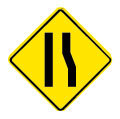
Narrow & Winding Rural Roads
Many rural roads are narrow, winding, and lack barriers or shoulders. Blind corners and steep gradients are common, especially on South Island passes.
Livestock & Wildlife on Roads
Sheep, cattle, and other livestock frequently cross or occupy rural roads. Always slow down when you see stock warning signs. Possums and other wildlife are common at night.
One-Lane Bridges
New Zealand has hundreds of one-lane bridges, particularly in rural areas. Misunderstanding priority rules causes collisions. Always check the blue sign for who has right of way.
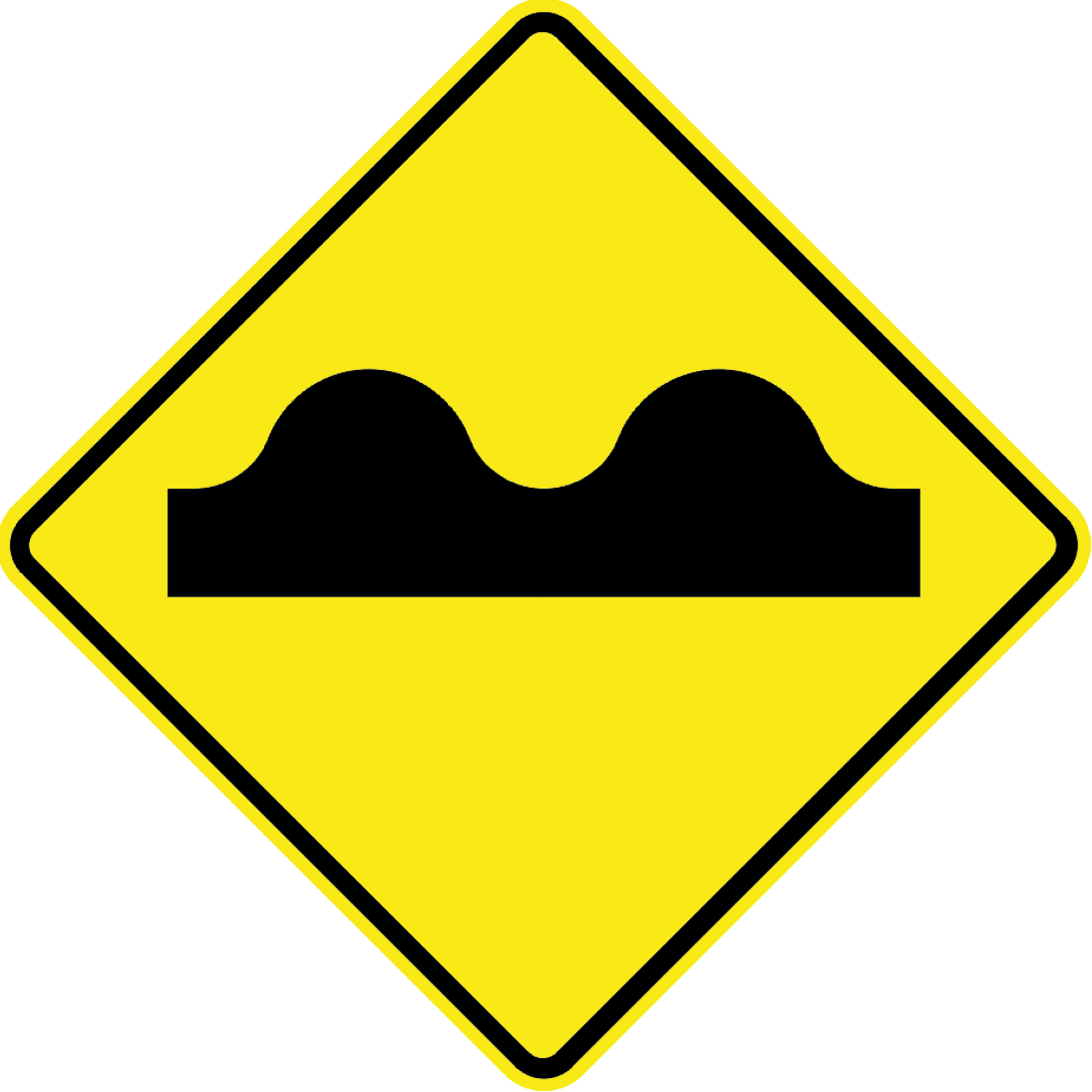
Gravel Roads
Many rural roads are unsealed (gravel). Reduced traction, dust from other vehicles, and loose stones require slower speeds and increased following distance.
Extreme Weather Changes
Weather can change rapidly, especially in mountainous areas. Snow, ice, fog, and heavy rain can make roads treacherous. Alpine passes may require chains in winter.
Tourist Driver Unfamiliarity
International visitors unfamiliar with left-hand traffic and NZ road conditions are involved in a disproportionate number of crashes, particularly on the South Island tourist routes.
New Zealand's 16 Regions
Driving licence services are administered nationally by Waka Kotahi through licensing agents in each region
- 1NorthlandNorthWhangarei194K
- 2AucklandNorthAuckland1.7M
- 3WaikatoNorthHamilton510K
- 4Bay of PlentyNorthTauranga340K
- 5GisborneNorthGisborne52K
- 6Hawke's BayNorthNapier178K
- 7TaranakiNorthNew Plymouth125K
- 8Manawatu-WhanganuiNorthPalmerston North256K
- 9WellingtonNorthWellington543K
- 10TasmanSouthRichmond57K
- 11NelsonSouthNelson54K
- 12MarlboroughSouthBlenheim50K
- 13West CoastSouthGreymouth32K
- 14CanterburySouthChristchurch645K
- 15OtagoSouthDunedin246K
- 16SouthlandSouthInvercargill102K
New Zealand has 16 regions across two main islands. Driving licence testing is administered nationally by Waka Kotahi NZ Transport Agency through a network of licensing agents (AA, VTNZ, and others). Test availability may vary by location.
Myth: Any international driving permit lets you drive in New Zealand indefinitely
Fact: International visitors can drive in NZ for up to 12 months on a valid overseas licence or IDP. After 12 months, you must obtain a New Zealand licence. Your overseas licence must be in English or accompanied by an accurate English translation.
Myth: The speed limit on all open roads is 100 km/h, so you must drive at 100
Fact: 100 km/h is the maximum open road speed limit, not a target. You must drive at a speed appropriate for the conditions. Many rural roads are too narrow, winding, or steep to safely travel at 100 km/h. Speed advisory signs indicate recommended speeds for corners.
Myth: You do not need insurance to drive in New Zealand
Fact: While third-party vehicle insurance is not legally compulsory (ACC covers personal injury), you are financially liable for any property damage you cause. Without third-party insurance, you could face costs of hundreds of thousands of dollars. Insurance is strongly recommended.
Myth: Learner drivers can practice alone once they feel confident
Fact: Learner licence holders must ALWAYS be accompanied by a qualified supervisor who has held a full NZ licence for at least 2 years. The supervisor must sit in the front passenger seat. Driving unaccompanied on a learner licence is a serious offence.
Myth: New Zealand roads are similar to European or North American highways
Fact: Most NZ highways are two-lane, undivided roads with no sealed shoulder. Many are narrow and winding with steep gradients. One-lane bridges, gravel sections, and livestock crossings are common outside urban areas. Multi-lane motorways exist only near major cities.
Myth: The drink-drive limit is the same for all drivers in New Zealand
Fact: New Zealand has two BAC limits: 0.05% (50 mg/100 ml blood) for drivers aged 20 and over, and zero tolerance (0.00%) for drivers under 20. The under-20 limit was introduced to reduce alcohol-related crashes among young drivers.
Recent Changes to New Zealand Driving Laws
Key regulatory updates affecting drivers in New Zealand
Speed limit changes and Road to Zero progress
Ongoing review of speed limits on high-risk roads. Some previously reduced urban limits reverted following government policy review. Continued investment in road safety infrastructure under the Road to Zero strategy.
Mobile phone penalties increased
Penalties for using a handheld mobile phone while driving increased. Fine of $150 plus 20 demerit points. Applies to all forms of handheld phone use including texting, calling, and browsing.
Clean Car Discount adjustments
Adjustments to the Clean Car Discount scheme affecting vehicle registration costs. EVs and low-emission vehicles receive rebates while high-emission vehicles face additional fees.
Road to Zero Action Plan 2020-2030
Continued implementation of the Road to Zero strategy with interim target of 40% reduction in deaths and serious injuries by 2030. Infrastructure safety treatments on high-risk corridors.
Tourist driver safety focus
Enhanced safety measures for international visitors including multilingual road safety information and improved signage on popular tourist routes, particularly on the South Island.
Adult BAC limit lowered from 0.08% to 0.05%
The adult (20+) blood alcohol limit was reduced from 0.08% to 0.05% BAC (250 mcg breath). The zero alcohol limit for drivers under 20 had already been introduced in 2011. The 2014 change aimed to further reduce alcohol-related crashes across all age groups.
How New Zealand Compares Globally
New Zealand's driving regulations compared to other countries -- data compiled from official government sources
StrictestIn betweenMost lenientBAC limit and minimum age
| Parameter | New Zealand | Australia | UK | Japan |  Canada |
|---|---|---|---|---|---|
| BAC Limit | 0.05% | 0.05% | 0.08% | 0.03% | 0.08% |
| Min. Age (Car) | 16 | 16–17 | 17 | 18 | 16 |
| Driving Side | Left | Left | Left | Left | Right |
| Highway Speed | 100–110 | 110–130 | 112 | 100–120 | 100–120 |
| Test Questions | 35 | 30–45 | 50 | 50 | 20–40 |
| Licence Cost | ~NZD 375 | Varies | ~£200+ | ¥300K+ | CAD 200–500 |
| Road Deaths/yr | ~290 | ~1,266 | ~1,695 | 2,678 | ~2,000 |
| Deaths/100K | ~5.6 | ~4.5 | ~2.8 | ~2.1 | ~5.3 |
BAC Limit
New Zealand: 0.05%Australia: 0.05%UK: 0.08%Japan: 0.03%Canada: 0.08%Min. Age (Car)
New Zealand: 16Australia: 16–17UK: 17Japan: 18Canada: 16Driving Side
New Zealand: LeftAustralia: LeftUK: LeftJapan: LeftCanada: RightHighway Speed
New Zealand: 100–110Australia: 110–130UK: 112Japan: 100–120Canada: 100–120Test Questions
New Zealand: 35Australia: 30–45UK: 50Japan: 50Canada: 20–40Licence Cost
New Zealand: ~NZD 375Australia: VariesUK: ~£200+Japan: ¥300K+Canada: CAD 200–500Road Deaths/yr
New Zealand: ~290Australia: ~1,266UK: ~1,695Japan: 2,678Canada: ~2,000Deaths/100K
New Zealand: ~5.6Australia: ~4.5UK: ~2.8Japan: ~2.1Canada: ~5.3
New Zealand
Same as Australia (0.05%). UK is 0.08% (England/Wales), Japan 0.03%, Canada 0.08% (varies by province). NZ has zero for under-20.
Same as Canada (varies). Australia 16-17 (varies by state). UK 17. Japan 18.
Australia 110-130, UK 113 (70 mph), Japan 100-120, Canada 100-120 km/h.
Full graduated process. Australia varies by state. UK ~GBP 200+. Japan JPY 300K+. Canada CAD 200-500.
~5.6 per 100K. Australia ~4.5, UK ~2.8, Japan ~2.1, Canada ~5.3 per 100K.
Road deaths: NZ ~290 (MoT 2024 provisional, lowest since 2014), Australia ~1,266 (BITRE 2023), UK ~1,695 (DfT 2023), Japan ~2,678 (NPA 2023), Canada ~2,000 (Transport Canada 2022). Per-capita rates estimated from WHO/OECD data.
Primary Sources
Verification Methodology
Every fact on this page has been cross-referenced against at least two authoritative sources. Our process:
- 1Primary data collected from New Zealand legislation and Waka Kotahi publications
- 2Cross-verified against Ministry of Transport statistics, Road Code, and WHO reports
- 3Regional variations noted where applicable
- 4Page reviewed and fact-checked on March 27, 2026
If you find an error, please contact us so we can correct it immediately.
Frequently Asked Questions
How much does a driving licence cost in New Zealand?
The full graduated licensing process costs approximately NZD 375: learner licence (theory test + issue) ~NZD 93, restricted licence test ~NZD 87 + issue ~NZD 54, full licence test ~NZD 87 + issue ~NZD 54. Optional approved driving courses cost NZD 400-800 and can reduce minimum holding periods. Professional driving lessons (~NZD 60-80/hour) are recommended but not mandatory.
What is the New Zealand theory test format?
The theory test consists of 35 multiple-choice questions on a touchscreen computer at a Waka Kotahi licensing agent. You must answer at least 32 correctly (91%) to pass. Questions cover the New Zealand Road Code including road rules, traffic signs, safe driving practices, and hazard awareness. There is no strict time limit. The test is available in English and te reo Maori.
What is the blood alcohol limit in New Zealand?
New Zealand has two limits: 0.05% BAC (50 mg per 100 ml blood) for drivers aged 20 and over, and zero tolerance (0.00%) for drivers under 20. Exceeding the breath screening limit results in immediate 12-hour licence suspension. Higher levels lead to criminal charges with fines up to NZD 10,000 and potential imprisonment.
What are the speed limits in New Zealand?
Default urban limit: 50 km/h. Default open road (rural) limit: 100 km/h. Some state highways: 110 km/h where posted. School zones: currently 40 km/h during school hours (variable signs), transitioning to 30 km/h by July 2027. Always drive to the posted speed limit and adjust for conditions.
What is the emergency number in New Zealand?
111 is the universal emergency number for Police, Fire, and Ambulance. Roadside assistance (AA): 0800 500 222. Road incident / unsafe driver reporting: *555 from a mobile phone (non-emergency police line is 105). Traffic and travel info: 0800 4 HIGHWAYS.
Can I drive in New Zealand on my overseas licence?
Yes, international visitors can drive in NZ for up to 12 months on a valid overseas licence or International Driving Permit (IDP). Your licence must be in English or accompanied by an accurate English translation. After 12 months of continuous residence, you must obtain a NZ licence. You may be eligible for conversion depending on your country.
What is the graduated driver licensing system?
NZ uses a three-stage system: Learner licence (age 16+, must drive with supervisor, L plates, minimum 6 months hold), Restricted licence (can drive alone 5 am-10 pm with conditions, minimum 18 months hold), and Full licence (no restrictions). Approved driving courses can reduce minimum holding periods.
What is a Warrant of Fitness (WoF)?
A WoF is a safety inspection certificate required for all light vehicles in NZ. For vehicles first registered after 1 January 2000: the first WoF is valid for 3 years from first registration, then required annually thereafter. Pre-2000 vehicles require a WoF every 6 months. The inspection covers brakes, tyres, lights, structural integrity, glazing, seatbelts, and other safety items. Driving without a current WoF is an offence.
What side of the road do you drive on in New Zealand?
New Zealand drives on the LEFT side of the road, same as the UK, Australia, and Japan. Overtake on the right. At roundabouts, travel clockwise and give way to traffic from your right. This is a common challenge for visitors from right-hand-traffic countries.
How do one-lane bridges work in New Zealand?
NZ has hundreds of one-lane bridges, especially on rural roads. Priority is indicated by blue signs: the larger arrow shows which direction has right of way. The vehicle on the side with the smaller arrow must give way to oncoming traffic. Always approach one-lane bridges slowly and be prepared to stop.
What is the demerit points system in New Zealand?
NZ uses demerit points that accumulate for traffic offences. If you reach 100 or more demerit points within any 2-year period, your licence is suspended for 3 months. Points range from 10 (minor speeding) to 50 (excessive speeding, 50+ km/h over). Points remain on your record for 2 years from the date of offence.
Is car insurance compulsory in New Zealand?
Third-party vehicle insurance is NOT legally compulsory in NZ. However, ACC (Accident Compensation Corporation) covers personal injury for all road users. You remain liable for property damage you cause. Third-party insurance is strongly recommended as repair costs can be very high.
What are the give-way rules in New Zealand?
Updated in 2012: at uncontrolled intersections, vehicles turning right give way to vehicles turning left (opposing traffic). At T-intersections, traffic on the terminating road gives way to all traffic on the continuing road. At roundabouts, give way to all vehicles already in the roundabout approaching from your right.
Are there toll roads in New Zealand?
New Zealand has a small number of toll roads. The three current toll roads are the Northern Gateway Toll Road (north of Auckland), Tauranga Eastern Link, and Takitimu Drive (Tauranga). Tolls can be paid online or at service stations within 5 days. There are no toll booths -- cameras record number plates.
What is the minimum driving age in New Zealand?
The minimum age for a learner licence (Class 1, car) is 16 years. You can get a restricted licence at 16 years and 6 months (minimum). A full licence is available from age 18 at the earliest. For motorcycles (Class 6), the learner minimum age is also 16.
Cite This Page
Use the following citations when referencing this article in academic papers, journalism, or reports.
APA 7th Edition
AutoviaTest. (2026, March 27). New Zealand driving licence facts 2026 -- theory test, fees, rules & guide. https://autoviatest.com/en/driving-test/new-zealand/facts
MLA 9th Edition
AutoviaTest. "New Zealand Driving Licence Facts 2026 -- Theory Test, Fees, Rules & Guide." AutoviaTest, 27 Mar. 2026, autoviatest.com/en/driving-test/new-zealand/facts.
Chicago 17th Edition
AutoviaTest. "New Zealand Driving Licence Facts 2026 -- Theory Test, Fees, Rules & Guide." Last modified March 27, 2026. https://autoviatest.com/en/driving-test/new-zealand/facts.
Ready to Pass Your New Zealand Theory Test?
Practice with official Road Code questions and detailed explanations. Master the 35-question theory test and start your graduated licence journey.
More Country Driving Guides
Australian Driving Licence Facts & GuideState-by-state test format, fees, speed limits, traffic fines, and everything about driving in Australia.UK Driving Licence 2026 -- The Complete GuideDVSA theory test, driving school costs, speed limits, traffic fines, and the points system.Japanese Driving Licence 2026 -- The Complete GuideNPA theory test, driving school costs, speed limits, traffic fines, and the points system.Canadian Driving Licence 2026 -- The Complete GuideProvincial test formats, graduated licensing, speed limits, fines, and the demerit system.