Practice test

Germany Driving Theory Test (Class B) TÜV & DEKRA Practice 2026

Prepare for Germany’s official Class B theory exam administered by TÜV and DEKRA. 30 questions (20 Grundstoff plus 10 Zusatzstoff) in 45 minutes, passing with 10 Fehlerpunkte or fewer.

  • 30Questions
  • ≤10 errorsPass mark
  • 45Minutes

Aligned with the official TÜV/DEKRA Class B syllabus · Updated for 2026

Try a Germany practice test

Question 1 of 5
Free practice

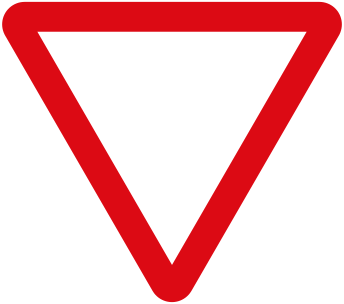
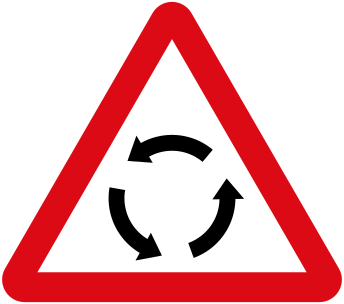
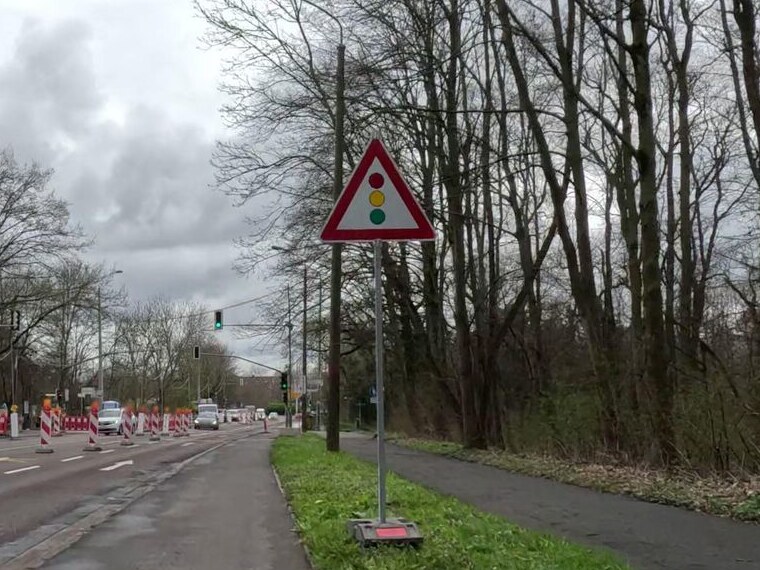
What must you expect after this sign, and how do you drive on?

Try 5 sample practice questions modeled on the TÜV/DEKRA exam. No sign-up needed.

Data sourced from Technischer ÜberwachungsvereinTÜV/DEKRA · Last updated 15 March 2026
TÜV/DEKRA
Driving test index58 /100Medium

The driving test in Germany is a moderate system globally, scoring 58/100 on our Driving Test Index.

About the Germany Class B Theory Test

Germany’s driving theory exam is run on computers by TÜV and DEKRA using weighted error points (Fehlerpunkte) rather than a simple right-or-wrong count.

Test format30 multiple-choice, video-based
Duration45 minutes
Pass mark≤10 errors
Test fee~€22.49 (theory) + ~€117practical exam
Official source: Technischer Überwachungsverein
Error-point system

How German Fehlerpunkte scoring works

Unlike simple question-count exams, Germany weighs each mistake from 2 to 5 error points depending on safety risk.

Question split20 + 10

20 general Grundstoff plus 10 Class B Zusatzstoff questions (30 total, 45 minutes).

Maximum allowed10 pts

Each wrong answer adds 2 to 5 Fehlerpunkte. You pass with 10 error points or fewer.

Question bank1,040 Qs

Active Class B catalog updated on 1 April 2025, including video and image-selection items.

Automatic fail rule: two 5-point mistakes

Even if your total is 10 error points, answering two 5-point priority or hazard questions incorrectly results in an immediate fail.

Verified against official TÜV and DEKRA Class B exam rules (45-minute computerized test).

Catalog update

German Class B catalog refresh (1 April 2025)

TÜV and DEKRA periodically revise the official question pool to remove retired items and introduce new image-selection scenarios.

1 Apr 2025

1,040 active Class B questions

The official Class B question pool stands at 1,040 questions, keeping video-based traffic situations and right-of-way priorities central to the exam.

Exam format

Abbildungsauswahlaufgaben (image-selection questions)

Alongside standard text MCQs and dynamic video clips, candidates identify correct mirror/blind-spot views and street layouts directly from comparative diagrams.

Driving rules in Germany

Key rules and regulations you need to know for your theory test.
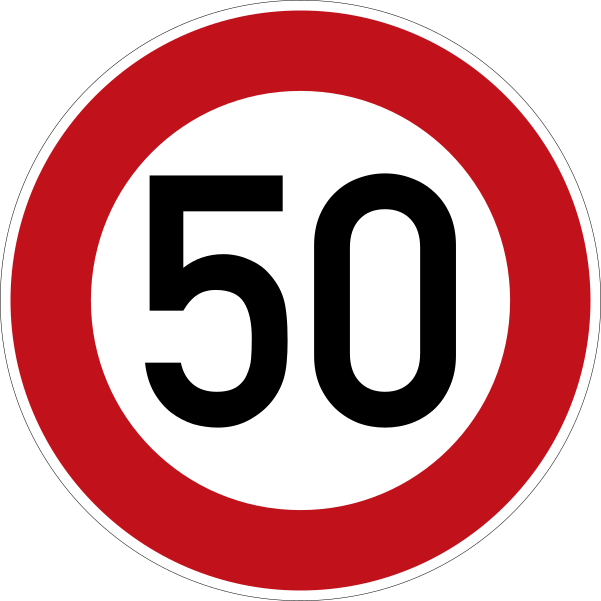
Speed limits

50 km/hUrban areaskm/h
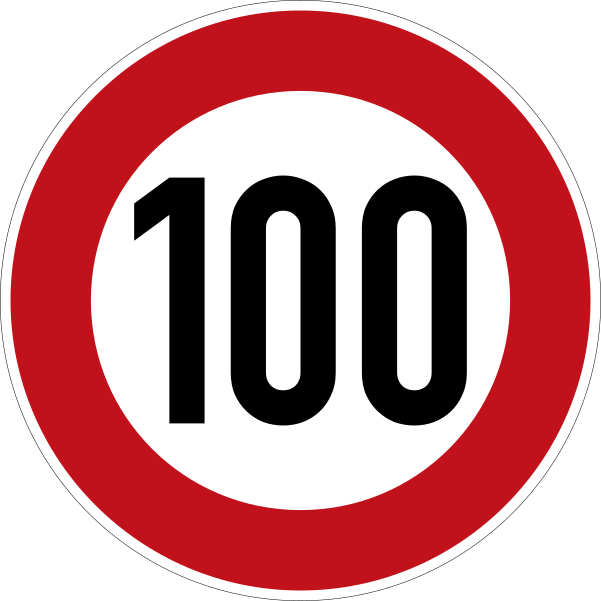
100 km/hRural roadskm/h
130*Highwayskm/h

* Recommended on unrestricted Autobahn sections

Driving information

Driving sideright
Emergency number112
Minimum age18 years
License validity15 years
Alcohol limit0.5‰ (0.0‰ for new drivers)

Important rules

  1. No speed limit on many Autobahn sections
  2. Right lane driving mandatory unless overtaking
  3. Umweltzone (environmental zones) in cities
  4. Winter tires required in winter conditions

Ready to practice for your Germany theory test?

Start free today with 2 full Class B mock tests and step-by-step explanations of German road rules.

Start free practice
Vehicle categories

License categories in Germany

Select a vehicle category to inspect verified minimum ages, vehicle scope, and official theory test requirements.

Car (B)

Klasse B
Minimum age18 years (17 with BF17 accompanied driving)
Vehicles coveredCars and light vehicles up to 3,500 kg with up to 8 passenger seats.
Theory exam scope30 questions (20 Grundstoff + 10 Zusatzstoff), 45 min, max 10 Fehlerpunkte (two 5-pt errors = fail), 1,040-question Class B catalog.

AutoviaTest Germany practice tests follow the official Class B error-point system.

Regional & global benchmark

How Germany compares in Europe

Germany does not use a single comparable pass-mark percentage, so below are its verified alcohol, age, and highway benchmarks alongside peers in Europe.

Germany scores mistakes on a weighted 2–5 Fehlerpunkte scale (max 10 points, instant fail on two 5-point errors) rather than a flat percentage.

Alcohol limit strictness#40 / 680.5‰ (0.0‰ for new drivers)
Minimum driving age rank#14 / 6818
Highway speed limit rank#49 / 63130 km/h
CountryExam formatPass bar
Greece30 Qs · 29/3096.7%
Andorra40 Qs · 35/4087.5%
Estonia40 Qs · 35/4087.5%
Turkey50 Qs · 35/5070%

Everything in one free account

Pick your country to get mock exams, road signs, and rules matched to your local driving authority.

Get started free

Start free: your first 2 mock tests and starter lessons cost nothing.

  1. Tailored to your country

    Mock exams, road signs, and traffic rules match your country's official syllabus.

  2. Practice like it's exam day

    Timed mock tests built around your country's syllabus, so nothing surprises you on test day.

  3. Track your weak spots

    See which topics cost you points, so you know exactly what to review next.

  4. Essential road safety

    Short guides on stopping distances, night driving and emergencies: knowledge you keep long after the test.

  5. Feel ready behind the wheel

    Short, practical guides for everything outside the rulebook, from dashboard lights to test-day nerves.

  6. Includes progress tracking and a readiness certificate once you're consistently passing.

Germany driving test explained, theorieprüfung, cost & rules 2026

A 2-minute walkthrough of Germany's Führerschein system, from Fahrschule enrollment to passing the TÜV/DEKRA theory and practical exams.

Key takeaways

  • The TÜV/DEKRA theory test has 30 questions (20 basic + 10 class-specific) with a maximum of 10 error points allowed, two wrong 5-point questions is an automatic fail.
  • Total cost runs €2,500–€4,500 (ADAC, 2025): Fahrschule registration, theory + practical lessons, mandatory Sonderfahrten, and TÜV/DEKRA exam fees.
  • Enrollment in a licensed Fahrschule is mandatory, self-taught driving is not permitted in Germany.
  • Speed limits are 50 km/h urban, 100 on rural roads, and no general limit on ~70% of the Autobahn (130 km/h advisory).
  • BAC limit is 0.05% (0.5 promille) general, with absolute zero tolerance (0.0%) for novice drivers in Probezeit and under-21s.
  • Germany uses the Flensburg points system, 8 points triggers license revocation, with points expiring after 2.5 to 10 years.
  • Failing to form a Rettungsgasse costs €200–320, plus 2 points and a one-month driving ban.
Read full transcript
Getting a driving license in Germany means registering at a Fahrschule and passing exams administered by TÜV or DEKRA, the two organizations that run every theory and practical test in the country. Here's the key summary in under two minutes. [0:06 Theory Test Format] The German theory test, the Theorieprüfung, has 30 multiple-choice questions: 20 basic knowledge and 10 class-specific. Each question carries 2 to 5 error points based on difficulty, and you can accumulate a maximum of 10 error points to pass. But watch out, getting two 5-point questions wrong is an automatic fail, even if your total is under 10. You have 45 minutes, the test is available in 14 languages including German, English, Turkish, and Arabic, and it costs €24.99. [0:20 Cost of a German License] Expect to pay between €2,500 and €4,500 total (ADAC estimate, April 2025). That covers Fahrschule basic registration (€350–565), learning materials (€88–119), regular driving lessons at €55–77 per 45 minutes, 12 mandatory Sonderfahrten (€720–1,140), the theory test (€24.99), and the practical test (€129.83). You'll also need a first aid course (about €60), eye test (€0–7), and license application fees (€38–70). [0:35 German Speed Limits] Germany is famous for the Autobahn, but only about 70% of it has no mandatory speed limit. The advisory speed is 130 km/h, and exceeding it increases your liability in an accident. Urban areas are 50 km/h with widespread 30 km/h zones. Rural roads are 100 km/h for cars. Trucks over 3.5 tonnes are capped at 80 km/h on all roads outside cities. [0:47 Traffic Fines & Points] The 2021 Bußgeldkatalog reform nearly doubled most fines. Speeding 31–40 km/h over the limit in urban areas costs €260, 2 Flensburg points, and a 1-month driving ban. Phone use while driving is €100 and 1 point. Drunk driving over 0.5 promille starts at €500, 2 points, and a 1-month ban. Failing to form a Rettungsgasse, the emergency corridor, costs €200–320 and 2 points. [1:02 Key Road Rules] Germany drives on the right. The default priority rule is Rechts-vor-Links, yield to traffic from the right at unmarked intersections. The Flensburg points system runs on 8 points: reach 8 and your license is revoked. Novice drivers face a 2-year Probezeit with absolute zero BAC. Every vehicle must carry a warning triangle, first aid kit, and reflective vest. [1:14 Step-by-Step License Process] The process: enroll at a Fahrschule, complete a first aid course and eye test, apply at the Fahrerlaubnisbehörde, attend 14 theory sessions, pass the 30-question TÜV/DEKRA theory exam, complete practical lessons including 12 mandatory Sonderfahrten, then pass the practical road test. Total time is typically 3 to 6 months. [1:29 Emergency Numbers] Germany uses 112 for fire and ambulance, the EU-wide emergency number. Police is 110. For non-emergency medical help, the Ärztlicher Bereitschaftsdienst is 116 117. [1:37 Driving Myths vs Facts] Myth: the entire Autobahn has no speed limit. Fact: only about 70% is unrestricted, the rest has mandatory posted limits. Myth: Rechts-vor-Links rarely applies. Fact: it's the default rule at every unmarked intersection and catches foreigners off guard constantly. Myth: flashing headlights on the Autobahn is fine. Fact: aggressive Lichthupe to pressure other drivers is illegal and can be prosecuted as coercion. Practice the full German theory question bank for free on AutoviaTest to prepare for your Theorieprüfung.

Pricing for Germany

Start free with local mock exams, and upgrade only if you need unlimited practice.

Free

Free
€0forever
  • 2 full mock tests
  • Sample practice questions
  • Road signs guide
Start free practice

Monthly

Most popular
€9.99/month
  • Unlimited mock exams
  • Clear rule explanations
  • Cancel anytime
Start monthly plan

Lifetime

One-time
€24.99one-time
  • Pay once, access until you pass
  • Unlimited mock exams and explanations
  • No recurring billing
Get lifetime access

Ready to practice for your Germany theory test?

Start free today with 2 full Class B mock tests and step-by-step explanations of German road rules.

Start free practice now

Free to start · Premium from €9.99/month

Frequently Asked Questions about the Germany Theory Test

How many Fehlerpunkte are allowed on the Germany Class B theory test?

You pass the Class B exam with 10 Fehlerpunkte (error points) or fewer. However, answering two 5-point questions incorrectly causes an automatic fail even if your total is 10 points.

How are the 30 questions structured in the TÜV and DEKRA exam?

You have 45 minutes to answer 20 general Grundstoff questions plus 10 Class B Zusatzstoff questions, drawn from the 1,040-question catalog updated in April 2025, including video clips and image-selection tasks.

How much does the official Germany theory test cost?

The official TÜV/DEKRA theory exam fee is approximately €22.49 (plus any driving-school presentation fee), while the official practical exam fee is approximately €117.

Can you take the German driving theory test in English?

Yes. TÜV and DEKRA offer the computerized theory exam in German plus 12 official foreign languages, including English, Turkish, Spanish, French, Polish, and Arabic.

How long is a passed Germany theory test valid?

Once you pass the theory test in Germany, you have 12 months to pass the practical driving test before the theory pass expires.

Last updated15 March 2026
Reviewed byPawan PriyadarshiFounder & Chief Engineer
Data sourced fromTechnischer Überwachungsverein and official government sources, cross-referenced against primary national transport authorities.