
 Complete guide 2026Updated April 2026
Turkish Driving Licence 2026 The Complete Guide
Everything you need to know about getting your driving licence in Turkey — MEB theory test format, driving school costs, speed limits, traffic fines, the 100-point penalty system, and the 25% early payment discount.
Table of Contents
Theory Test
50 multiple-choice questions (12 first aid, 23 traffic & environment, 9 motor technique, 6 traffic etiquette), 35/50 to pass (70%), 45 minutes.
Paper-based at MEB (Ministry of Education) centers. Must not score zero in any section.
Total Cost
Approximately 15,000–25,000 TRY (~€500–1,000) total.
Highly volatile due to inflation. Driving school 10,000–20,000 TRY, health report 1,000–2,500 TRY, exams ~2,000 TRY, licence fee ~3,000 TRY.
Road Deaths
6,352 fatalities in 2024 (~7.7 per 100K inhabitants) — among the highest in Europe.
Down 3% from 6,548 in 2023, but still well above the EU average of ~4.5/100K.
BAC Limit
0.50‰ (0.05%) for general drivers.
ZERO tolerance (0.00‰) for commercial vehicle drivers and novice drivers. 0.20‰ for motorcycle riders. Penalties include 9,267 TRY fine + 6-month licence suspension for first offence.
Fines & Points
Turkey uses a 100-point penalty system — you start with 100 and lose points for violations.
At 0 points, licence is suspended. All fines adjusted annually by inflation (43.93% in 2025). 25% early payment discount if paid within 15 days.
Global Context
Turkey's death rate of ~7.7/100K exceeds Germany (3.4), France (4.8), and UK (2.5), though lower than Romania (8.1).
Licence cost (15,000–25,000 TRY / €500–1,000) is moderate but rapidly changing due to inflation.
Turkey Road Safety: 6-Year Trend (2019–2024)
According to EGM and TÜİK data, road fatalities in Turkey decreased from 5,473 in 2019 to 6,352 deaths in 2024. After a COVID-19 dip in 2020 (4,866), deaths rose sharply in 2023 (6,548) before declining 3% in 2024. Turkey's rate of ~7.7 deaths per 100K remains well above the EU average of ~4.5.
Year-over-year changes
Deaths per 100,000 Population
 Romania8.1
- Turkey7.3
 France4.8
 Germany3.4
 UK2.5
Source: EGM, TÜİK, European Commission Road Safety Data, WHO Global Status Report on Road Safety. Per-capita rates are estimates and may vary by methodology.
Turkish Theory Test Format
The paper-based theory test is administered by MEB (Milli Eğitim Bakanlığı — Ministry of National Education) at designated examination centers
The Turkish driving theory test (ehliyet sınavı) for Category B consists of 50 multiple-choice questions divided into 4 sections: 12 first aid questions, 23 traffic and environment questions, 9 motor technique questions, and 6 traffic etiquette questions. To pass, you need at least 35 correct answers out of 50 (70%). Crucially, you must not score zero in any individual section — even if your total is above 35. You have 45 minutes to complete the test. The exam is paper-based and administered at MEB examination centers. Results are available within 30 minutes.
Questions
Duration
Pass Mark
Exam Fee
What the Theory Test Covers
- Traffic signs (trafik işaretleri) & signals
- Priority rules (geçiş hakkı kuralları)
- Speed limits (hız sınırları)
- Pedestrian & school zone rules
- Roundabout priority (EU standard — inside has priority)
- Bleeding control & wound treatment
- CPR and recovery position
- Fracture immobilization
- Shock management
- Emergency scene safety
- Engine & transmission basics (9 motor questions)
- Vehicle maintenance & safety systems
- Driving courtesy & etiquette (6 etiquette questions)
- Motorway & tunnel driving rules
- 100-point penalty system (ceza puanı)
How to Get Your Turkish Driving Licence
From health report to ehliyet — the complete 6-step process
- 1
Get Health Report (Sağlık Raporu)
Obtain a medical fitness report from an authorized hospital or clinic
1,000–2,500 TRY. Includes eye test, general health check, and psychological fitness assessment. Valid for 6 months.
- 2
Complete First Aid Course
Attend a mandatory first aid training course
Usually included in driving school package. First aid accounts for 12 of 50 theory questions — the largest single section.
- 3
Enrol at a Driving School (Sürücü Kursu)
Register at a licensed sürücü kursu (driving school)
Driving school package 10,000–20,000 TRY. Includes theory classes and practical driving lessons. Prices vary significantly by city and inflation.
- 4
Pass MEB Theory Exam
Take and pass the theory exam at a MEB examination center
50 questions, 35/50 to pass (70%), 45 min. Paper-based exam. Must not score zero in any section. Fee: ~1,000 TRY. Results in 30 minutes.
- 5
Pass Practical Driving Test (Direksiyon Sınavı)
Pass the practical driving test with an authorized examiner
Real traffic driving test including parking, manoeuvres, and traffic navigation. Fee: ~1,000 TRY. Conducted by authorized driving school examiners.
- 6
Get Your Licence (Ehliyet) at Emniyet
Apply for your driving licence at the local Emniyet (Police) office
Licence issuance fee: ~3,000 TRY. Digital licence also available via e-Devlet (government portal) since 2024. Card delivered to your address.
Turkish Driving Licence Fees
Total cost typically 15,000–25,000 TRY (~€500–1,000) — highly volatile due to annual inflation adjustments
| Fee | Amount |
|---|---|
| Health report (sağlık raporu) | 1,000–2,500 TRY |
| Driving school (sürücü kursu — full package) | 10,000–20,000 TRY |
| Theory exam fee (MEB) | ~1,000 TRY |
| Practical exam fee (direksiyon sınavı) | ~1,000 TRY |
| Licence issuance fee (Emniyet) | ~3,000 TRY |
| Additional practical lessons (per hour) | 500–1,500 TRY |
| Total Typical (Category B) | 15,000–25,000 TRY |
All costs are approximate and subject to significant change due to Turkey's high inflation rate. Fees are adjusted annually. Istanbul and Ankara tend to be more expensive than other cities. The 2025 inflation adjustment was 43.93%.
See how ready you are — practice with real exam questions
Try Free QuestionsMinimum age by licence category
- M — Mopeds up to 50cc / 45 km/h16years
- A1 — Motorcycles up to 125cc / 11 kW16 years; 17 with parental consent16years
- B1 — Light quadricycles16years
- A2 — Motorcycles up to 35 kW18years
- B — Cars up to 3,500 kgMost common category18years
- F — Agricultural vehicles (tractor)18years
- C — Trucks over 3,500 kg21years
- A — Motorcycles unlimited24 years, or 20 with 2 years A2 experience24years
- D — Buses (8+ passengers)24years
Licence Validity Periods
| Licence / age | Validity |
|---|---|
| Standard (M / A / B)Medical report required at every renewal | 10 years |
| Professional (C / D)Medical report required at every renewal | 5 years |
Novice Driver Restrictions
- 0.00‰ BAC — ZERO tolerance for novice drivers (general drivers: 0.50‰)
- 100-point penalty system starts at 100 — lose points for each violation
- Must complete mandatory first aid training
- Professional categories (C/D) require minimum age 21/24
- Digital licence available via e-Devlet since 2024
100-Point Penalty System (Ceza Puanı Sistemi)
- All drivers start with 100 penalty points
- Points are deducted for traffic violations (10–30 points per offence)
- When points reach 0, driving licence is suspended
- Points are restored gradually over time with clean driving
- 5 speeding violations over 30% above limit within a year = 1-year suspension (2025)
- 25% early payment discount on fines if paid within 15 days
Speed Limits in Turkey
As per Turkish Traffic Code (Karayolları Trafik Kanunu) — all speeds in km/h
Turkey has five main speed limit tiers: urban areas (50 km/h, school zones 30 km/h), undivided intercity roads (90 km/h), divided intercity roads (110 km/h), state motorways (130 km/h), and BOT private motorways (up to 140 km/h). Trucks face lower limits: 80/80/90 km/h. Buses: 80/90/100 km/h. The minimum motorway speed is 40 km/h. Speed enforcement is extensive through the EDS (Elektronik Denetleme Sistemi) and TEDES camera networks covering most major roads.
| Road Type | Cars | Trucks | Buses | Note |
|---|---|---|---|---|
| Şehir içi (Urban area) | 50 | 50 | 50 | School zones: 30 km/h |
| Bölünmemiş yol (Undivided intercity) | 90 | 80 | 80 | — |
| Bölünmüş yol (Divided intercity) | 110 | 80 | 90 | — |
| Otoyol — State (Motorway) | 130 | 90 | 100 | Minimum: 40 km/h |
| Otoyol — BOT Private | 140 | 90 | 100 | Up to 140 where posted |
Şehir içi (Urban area)
Cars: 50Trucks: 50Buses: 50School zones: 30 km/h
Bölünmemiş yol (Undivided intercity)
Cars: 90Trucks: 80Buses: 80Bölünmüş yol (Divided intercity)
Cars: 110Trucks: 80Buses: 90Otoyol — State (Motorway)
Cars: 130Trucks: 90Buses: 100Minimum: 40 km/h
Otoyol — BOT Private
Cars: 140Trucks: 90Buses: 100Up to 140 where posted
Turkey's motorway network includes both state-operated (130 km/h max) and privately operated BOT (Build-Operate-Transfer) motorways (up to 140 km/h where posted). Speed enforcement uses EDS (Elektronik Denetleme Sistemi) fixed cameras and TEDES mobile cameras. HGS electronic toll is required for all motorways.
Traffic Fines & Penalties (2025)
All fines adjusted annually by inflation (43.93% in 2025). 25% early payment discount within 15 days.
Turkey's traffic fine system is adjusted annually based on the revaluation rate (yeniden değerleme oranı), which was 43.93% in 2025. This means all fines increase significantly year over year. A 25% early payment discount applies if fines are paid within 15 days. Turkey uses a 100-point penalty system — drivers start with 100 points and lose points for violations. At 0 points, the licence is suspended. Drug driving carries the highest fine at 47,842 TRY.
Up to 2,500 TRY2,501–10,000 TRYOver 10,000 TRY
| Violation | Fine (TRY) | Points | Notes |
|---|---|---|---|
| Speeding 10–30% over limit | 2,167 TRY | 10 pt | 25% discount if paid in 15 days |
| Speeding 30–50% over limit | 4,512 TRY | 15 pt | 25% discount if paid in 15 days |
| Speeding >50% over limit | 9,267 TRY | 15 pt | Licence suspension possible |
| Running a red light | 2,167 TRY | 15 pt | 2026: graduated penalties up to 10,000 TRY |
| Mobile phone use while driving | 2,167 TRY | 10 pt | 2026: graduated 5,000/10,000/suspension |
| No seatbelt (emniyet kemeri) | 993 TRY | 10 pt | 2026: increasing to 2,500 TRY |
| DUI — 1st offence (>0.50‰ BAC) | 9,267 TRY | 20 pt | 6-month licence suspension |
| DUI — 2nd offence | 18,677 TRY | — | 2-year licence suspension |
| Emergency lane misuse | 9,267 TRY | 10 pt | — |
| Driving without licence | 18,677 TRY | — | Vehicle impounded |
| Drug driving | 47,842 TRY | — | Licence revocation + criminal charges |
| Ignoring police stop signal | 9,267 TRY | 20 pt | 2026: up to 200,000 TRY |
- 2,167 TRY25% discount if paid in 15 days
Speeding 10–30% over limit
10 pt - 4,512 TRY25% discount if paid in 15 days
Speeding 30–50% over limit
15 pt - 9,267 TRYLicence suspension possible
Speeding >50% over limit
15 pt - 2,167 TRY2026: graduated penalties up to 10,000 TRY
Running a red light
15 pt - 2,167 TRY2026: graduated 5,000/10,000/suspension
Mobile phone use while driving
10 pt - 993 TRY2026: increasing to 2,500 TRY
No seatbelt (emniyet kemeri)
10 pt - 9,267 TRY6-month licence suspension
DUI — 1st offence (>0.50‰ BAC)
20 pt - 18,677 TRY2-year licence suspension
DUI — 2nd offence
- 9,267 TRY
Emergency lane misuse
10 pt - 18,677 TRYVehicle impounded
Driving without licence
- 47,842 TRYLicence revocation + criminal charges
Drug driving
- 9,267 TRY2026: up to 200,000 TRY
Ignoring police stop signal
20 pt
All fines shown are 2025 amounts, adjusted by 43.93% from 2024. A 25% early payment discount applies if paid within 15 days. The 100-point penalty system deducts points per offence — at 0 points, licence is suspended. 5 speeding violations over 30% within a year triggers automatic 1-year suspension (2025 rule). Drug driving carries the highest single fine.
Know These Rules Before Your Theory Test
Traffic fines, speed limits, and BAC rules are heavily tested in the Turkish theory exam. Practice with real exam-style questions.
How the road worksMandatory, with a penaltyMakes it easier
Right-Hand Traffic
Turkey drives on the right.
Priority to vehicles from the right at unmarked intersections. Always keep to the right lane unless overtaking.
BAC Limits (0.50‰ / 0.00‰)
General drivers: 0.50‰ BAC limit.
ZERO tolerance (0.00‰) for commercial vehicle drivers and novice drivers. Motorcycle riders: 0.20‰. First DUI offence: 9,267 TRY + 6-month suspension.
Zorunlu Trafik Sigortası (Mandatory MTPL)
Zorunlu Trafik Sigortası (mandatory motor third-party liability insurance) is required for all vehicles.
Driving without valid insurance carries severe fines and vehicle impoundment.
TÜVTÜRK Vehicle Inspection (Muayene)
All vehicles must pass periodic inspection at TÜVTÜRK stations.
New vehicles: first inspection after 3 years, then every 2 years until 10 years, then annually.
HGS Electronic Toll (PTT)
HGS (Hızlı Geçiş Sistemi) is the mandatory electronic toll system for all motorways and bridges.
Purchase HGS stickers at PTT (post office) branches. OGS was retired in 2022.
Phone Prohibited
Using a mobile phone while driving is prohibited: 2,167 TRY fine and 10 penalty points.
Hands-free systems are permitted. 2026: graduated penalties up to suspension.
Child Seats (Under 150 cm / 36 kg)
Children under 150 cm tall or under 36 kg must use an approved child restraint system.
Children under 3 must always be in a rear-facing or appropriate car seat.
Mandatory Equipment
All vehicles must carry: 2 warning triangles, a fire extinguisher, a first aid kit, and a reflective safety vest.
Equipment is checked during TÜVTÜRK inspection.
Headlights on Motorways & Outside Cities
Dipped headlights or daytime running lights must be on when driving on motorways and outside built-up areas, regardless of weather or time of day.
Common Road Hazards in Turkey
6,352 road fatalities in 2024 — know these hazards to stay safe on Turkish roads
Dolmuş (Minibus) Stops
Dolmuş shared minibuses stop frequently and unpredictably to pick up and drop off passengers — often without pulling fully to the side, especially in urban areas
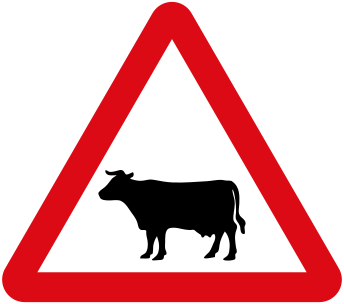
Stray Animals
Stray dogs and cats are common in both urban and rural areas — can suddenly dart into traffic. Rural roads may also have livestock crossings
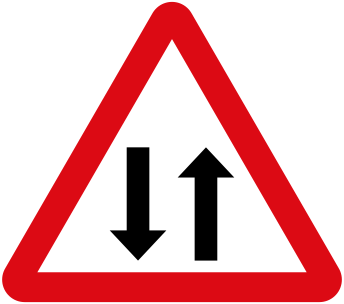
Aggressive Driving
Aggressive lane changes, tailgating, and horn use are common — maintain defensive driving posture and extra following distance
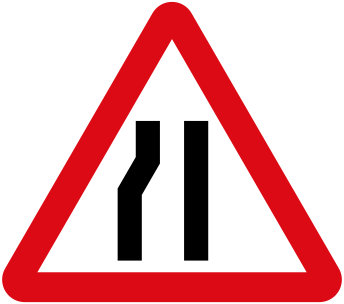
Winding Mountain Roads
Mountain passes in eastern Turkey and along the Black Sea coast feature sharp turns, steep gradients, and limited guardrails — reduced speed essential
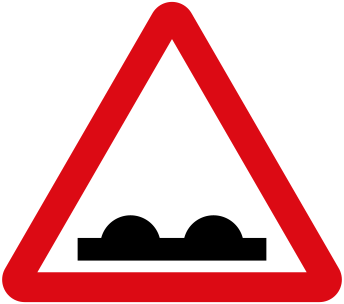
Earthquake Zone Driving
Turkey is in a major seismic zone — know post-earthquake driving protocols, avoid bridges and overpasses during tremors, stay in vehicle on open road
Heavy Truck Traffic
Intercity roads carry heavy commercial truck traffic — overtaking trucks on undivided roads is a leading cause of fatal accidents
Turkey's 81 Provinces (İller)
Driving licence administration is handled by EGM through provincial Emniyet offices. Turkey has 81 iller (provinces). Top 10 shown by population.
- 1İstanbul3415.9M
- 2Ankara065.7M
- 3İzmir354.5M
- 4Bursa163.1M
- 5Antalya072.7M
- 6Konya422.3M
- 7Adana012.3M
- 8Gaziantep272.2M
- 9Şanlıurfa632.1M
- 10Mersin331.9M
Turkey has 81 provinces. Driving laws are national (Karayolları Trafik Kanunu), but licence issuance is administered at provincial Emniyet offices. Driving school costs vary by region — Istanbul and Ankara tend to be the most expensive. Theory exams are administered by MEB at designated centers.
Myth: Turkish drivers ignore all traffic rules
Fact: While driving culture can be assertive, Turkey has invested heavily in EDS (Elektronik Denetleme Sistemi) and TEDES camera networks that now cover most major roads. Automated enforcement has significantly improved compliance, especially on motorways.
Myth: An International Driving Permit is valid indefinitely for tourists
Fact: An IDP is valid for only 6 months for tourists in Turkey. After 6 months of residency, you must obtain a Turkish driving licence by converting your foreign licence or taking the full examination.
Myth: Speed limits are just suggestions on Turkish roads
Fact: The EDS/TEDES camera network covers most major roads and motorways. Average speed cameras calculate your speed over long stretches. 5 speeding violations over 30% within a year triggers automatic 1-year suspension (2025 rule).
Myth: Flashing headlights means 'go ahead, after you'
Fact: In Turkey, flashing headlights typically means 'I'm coming through' or 'Don't pull out' — the opposite of what many visitors assume. Always wait and confirm the other driver's intention before proceeding.
Myth: Winter tyres are not needed in Turkey
Fact: Winter tyres are mandatory for commercial vehicles on designated routes. For private cars, they are practically essential in eastern Turkey and mountain regions where heavy snow is common from November to April.
Myth: At roundabouts, entering traffic has priority
Fact: Turkey changed to the EU standard: vehicles already inside the roundabout have priority over entering traffic. However, old habits persist — approach cautiously and be prepared for drivers entering without yielding.
Graduated penalties for phone, red light, seatbelt; up to ₺200,000 for ignoring police
2026 introduces graduated penalties: phone use escalates to 5,000/10,000 TRY/suspension for repeat offences. Red light violations up to 10,000 TRY. Seatbelt fines increase to 2,500 TRY. Ignoring police stop signal penalties surge to up to 200,000 TRY.
All fines +43.93%, 5 speeding violations >30% = 1-year suspension
Annual inflation adjustment raised all fines by 43.93%. New rule: 5 speeding violations exceeding 30% above the limit within a single year triggers automatic 1-year licence suspension. Enhanced TEDES coverage on secondary roads.
Digital licence via e-Devlet, fine restructuring +60%
Turkey launched digital driving licences accessible through the e-Devlet (government) portal. Major fine restructuring with approximately 60% increases. Enhanced camera enforcement network expanded to smaller cities.
OGS retired, HGS-only toll system
The OGS (Otomatik Geçiş Sistemi) was retired in favor of HGS (Hızlı Geçiş Sistemi) as the sole electronic toll system. All motorway users must have HGS stickers, available at PTT (post office) branches.
112 unified emergency system nationwide
Turkey completed the rollout of the unified 112 emergency number system nationwide, consolidating ambulance, fire, and police dispatching into a single call center. Individual service numbers (155, 110, 156) remain operational.
How Turkey Compares Globally
Turkey's driving regulations compared to other major countries — data compiled from official government sources
StrictestIn betweenMost lenientBAC limit and minimum age
| Parameter | Turkey | Germany | France | UK | Romania |
|---|---|---|---|---|---|
| BAC Limit | 0.50‰ | 0.05% | 0.05% | 0.08% | 0.00% |
| Min. Age (Car) | 18 | 18 | 18 | 17 | 18 |
| Driving Side | Right | Right | Right | Left | Right |
| Motorway Speed | 130 km/h | No limit* | 130 km/h | 113 km/h | 130 km/h |
| Test Questions | 50 | 30 | 40 | 50 | 26 |
| Licence Cost | 20K–40K TRY | €2,000–3,500 | €1,500–2,500 | £200–1,500 | 3,100–4,700 RON |
| Road Deaths/yr | 6,352 | 2,770 | 3,170 | 1,695 | 1,545 |
| Deaths/100K | ~7.3 | 3.4 | 4.8 | 2.5 | 8.1 |
BAC Limit
Turkey: 0.50‰Germany: 0.05%France: 0.05%UK: 0.08%Romania: 0.00%Min. Age (Car)
Turkey: 18Germany: 18France: 18UK: 17Romania: 18Driving Side
Turkey: RightGermany: RightFrance: RightUK: LeftRomania: RightMotorway Speed
Turkey: 130 km/hGermany: No limit*France: 130 km/hUK: 113 km/hRomania: 130 km/hTest Questions
Turkey: 50Germany: 30France: 40UK: 50Romania: 26Licence Cost
Turkey: 20K–40K TRYGermany: €2,000–3,500France: €1,500–2,500UK: £200–1,500Romania: 3,100–4,700 RONRoad Deaths/yr
Turkey: 6,352Germany: 2,770France: 3,170UK: 1,695Romania: 1,545Deaths/100K
Turkey: ~7.3Germany: 3.4France: 4.8UK: 2.5Romania: 8.1
Turkey
0.00‰ for commercial/novice. Romania: 0.00% zero tolerance. Germany/France: 0.05%.
Same as most EU countries. UK allows 17.
BOT private motorways up to 140. Germany has no general limit.
~€500–1,000. Volatile due to inflation. Germany: €2,000–3,500.
Well above EU average (~4.5/100K). Romania highest in EU at 8.1. UK lowest at 2.5.
Road deaths: Turkey 6,352 (2024, ~7.7/100K), Germany 2,770 (3.4/100K), France 3,170 (4.8/100K), UK 1,695 (2.5/100K), Romania 1,545 (8.1/100K). Turkey BAC: 0.50‰ general, 0.00‰ commercial/novice. All fine amounts in TRY subject to annual inflation adjustment.
Primary Sources
Verification Methodology
Every fact on this page has been cross-referenced against at least two authoritative sources. Our process:
- 1Primary data collected from official Turkish legislation (Karayolları Trafik Kanunu) and EGM publications
- 2Cross-verified against TÜİK statistics and European Commission road safety data
- 3Regional variations noted where applicable (driving school costs differ significantly by city and inflation)
- 4Page reviewed and fact-checked on April 12, 2026
If you find an error, please contact us so we can correct it immediately. Note: Turkish fine amounts change annually due to inflation adjustments.
Frequently Asked Questions
How much does a driving licence cost in Turkey?
The total cost for a Category B (car) licence is typically 15,000–25,000 TRY (~€500–1,000). This includes: health report 1,000–2,500 TRY, driving school 10,000–20,000 TRY, theory exam ~1,000 TRY, practical exam ~1,000 TRY, and licence fee ~3,000 TRY. Costs are highly volatile due to Turkey's high inflation — the 2025 adjustment was 43.93%.
What is the Turkish theory test (ehliyet sınavı) format?
The MEB theory exam for Category B has 50 multiple-choice questions in 4 sections: 12 first aid, 23 traffic & environment, 9 motor technique, and 6 traffic etiquette. You need 35/50 (70%) to pass. Crucially, you must not score zero in any individual section. Time limit: 45 minutes. The exam is paper-based and results are available within 30 minutes.
What is the BAC (blood alcohol) limit in Turkey?
Turkey has tiered BAC limits: 0.50‰ (0.05%) for general drivers, ZERO tolerance (0.00‰) for commercial vehicle drivers and novice drivers, and 0.20‰ for motorcycle riders. First DUI offence: 9,267 TRY fine + 6-month licence suspension. Second offence: 18,677 TRY + 2-year suspension.
How does the HGS toll system work?
HGS (Hızlı Geçiş Sistemi) is Turkey's electronic toll system, mandatory for all motorways and toll bridges (including the Bosphorus bridges). Purchase HGS stickers at PTT (post office) branches and load credit. The OGS system was retired in 2022. Driving on motorways without HGS results in fines and penalties.
What is the 100-point penalty system?
Turkish drivers start with 100 penalty points. Points are deducted for each traffic violation (10–30 points depending on severity). When your points reach 0, your licence is suspended. Points are gradually restored over time with clean driving. The system encourages careful driving — multiple minor offences can accumulate quickly.
How does first aid feature in the theory test?
First aid is a major component: 12 out of 50 questions (24%) are dedicated to first aid. Topics include bleeding control, CPR, fracture management, shock treatment, and emergency scene safety. You must complete a first aid course and cannot score zero in this section — even if your total score exceeds 70%.
What are the 2026 graduated penalty changes?
From 2026, Turkey introduces graduated penalties for repeat offences: phone use escalates from 5,000 to 10,000 TRY to suspension. Red light violations increase up to 10,000 TRY. Seatbelt fines rise to 2,500 TRY. Most dramatically, ignoring a police stop signal can carry penalties up to 200,000 TRY.
What speed limits apply in Turkish urban areas?
The general urban speed limit is 50 km/h. School zones are restricted to 30 km/h. Outside built-up areas: undivided roads 90 km/h, divided roads 110 km/h. State motorways: 130 km/h (minimum 40 km/h). BOT private motorways: up to 140 km/h where posted.
What mandatory equipment must I carry in my car in Turkey?
Turkish law requires all vehicles to carry: 2 warning triangles, a fire extinguisher, a first aid kit, and a reflective safety vest. This equipment is checked during TÜVTÜRK vehicle inspections. Missing equipment can result in fines during police roadside checks.
Can I convert my foreign driving licence in Turkey?
Tourists can drive with their national licence plus an IDP for up to 6 months. After becoming a resident, you must convert your licence. Turkey has bilateral agreements with many countries (including EU members) for direct exchange. For others, you may need to pass the theory and/or practical tests.
How long does the licence process take in Turkey?
The typical timeline from health report to receiving your ehliyet is 2–4 months. This includes: health report (1–2 days), first aid course (1–2 weeks), driving school theory + practical (6–10 weeks), theory exam scheduling (2–4 weeks), practical test scheduling (1–3 weeks), and licence card production (~2 weeks).
What is the digital driving licence (e-Ehliyet)?
Since 2024, Turkish drivers can access a digital version of their driving licence through the e-Devlet (e-Government) portal and mobile app. This digital licence is legally valid and can be shown to police during checks. The physical card is still issued and remains valid.
Are winter tyres mandatory in Turkey?
Winter tyres are mandatory for commercial vehicles on designated routes between December 1 and April 1. For private cars, they are not legally mandatory nationwide but are strongly recommended (and practically essential) in eastern Turkey and mountain areas where heavy snowfall is common.
How are Turkish fines affected by inflation?
All Turkish traffic fines are adjusted annually based on the official revaluation rate (yeniden değerleme oranı). In 2025, this rate was 43.93%, meaning all fines increased by nearly 44% compared to 2024. In 2024, the increase was approximately 60%. This annual adjustment means fine amounts change significantly every year.
What is EDS/TEDES and how does it work?
EDS (Elektronik Denetleme Sistemi) refers to fixed speed and red-light cameras. TEDES (Trafik Elektronik Denetleme Sistemi) includes mobile and average-speed cameras. Together they form an extensive automated enforcement network covering most major roads. Fines are automatically generated and sent to the vehicle owner.
Cite This Page
Use the following citations when referencing this article in academic papers, journalism, or reports.
APA 7th Edition
AutoviaTest. (2026, March 24). Turkish driving licence facts 2026 — MEB test, driving school costs, fines & rules. https://autoviatest.com/en/driving-test/turkey/facts
MLA 9th Edition
AutoviaTest. "Turkish Driving Licence Facts 2026 — MEB Test, Driving School Costs, Fines & Rules." AutoviaTest, 24 Mar. 2026, autoviatest.com/en/driving-test/turkey/facts.
Chicago 17th Edition
AutoviaTest. "Turkish Driving Licence Facts 2026 — MEB Test, Driving School Costs, Fines & Rules." Last modified March 24, 2026. https://autoviatest.com/en/driving-test/turkey/facts.
Ready to Pass Your Turkish Theory Test?
Practice with 1,000+ official-style MEB theory questions and detailed explanations. Available in 24 languages.
More Country Driving Guides
 India Driving Licence Facts & RTO GuideRTO test format, fees, speed limits, traffic fines, state-wise information, and everything about driving in India.Germany Driving Licence Facts & Fahrschule GuideTÜV/DEKRA test format, Fahrschule costs, Autobahn rules, speed limits, and the Flensburg points system.
 Spain Driving Licence Facts & DGT GuideDGT test format, autoescuela costs, speed limits, traffic fines, and the permiso por puntos points system.France Driving Licence Facts & Auto-école GuideCode de la route exam, auto-école costs, speed limits, traffic fines, and the permis à points system.
 Poland Driving Licence Facts & WORD GuideWORD test format, driving school costs, speed limits, traffic fines, and the punkty karne points system.
 Netherlands Driving Licence Facts & CBR GuideCBR test format, rijschool costs, speed limits, traffic fines, and everything about driving in the Netherlands.Romania Driving Licence Facts & DGPCI GuideDGPCI test format, driving school costs, speed limits, zero BAC tolerance, and the highest EU road death rate.