
 Tourist driving guide
Driving in Lisbon
Your complete guide to driving and renting scooters in Lisbon, Portugal. Learn about IDP requirements, traffic rules, safety tips, and everything you need to know before hitting the road.
 AutoviaTest.com
International Driving Permit (IDP) in Lisbon
IDP not required
EU licenses are valid. US and other foreign licenses are valid for tourism. IDP is recommended for non-Latin alphabet licenses.
Accepted licenses
- EU/EEA valid
- US, UK, Australia accepted
- IDP recommended for others
Scooter & motorbike rental in Lisbon
Daily scooter rental
€25-50/day
License required
Scooters up to 125cc require a car license (with 3+ years in EU) or motorcycle license.
Rental tips
- Lisbon's famous hills make scooter riding challenging
- Cobblestones are slippery - especially when wet
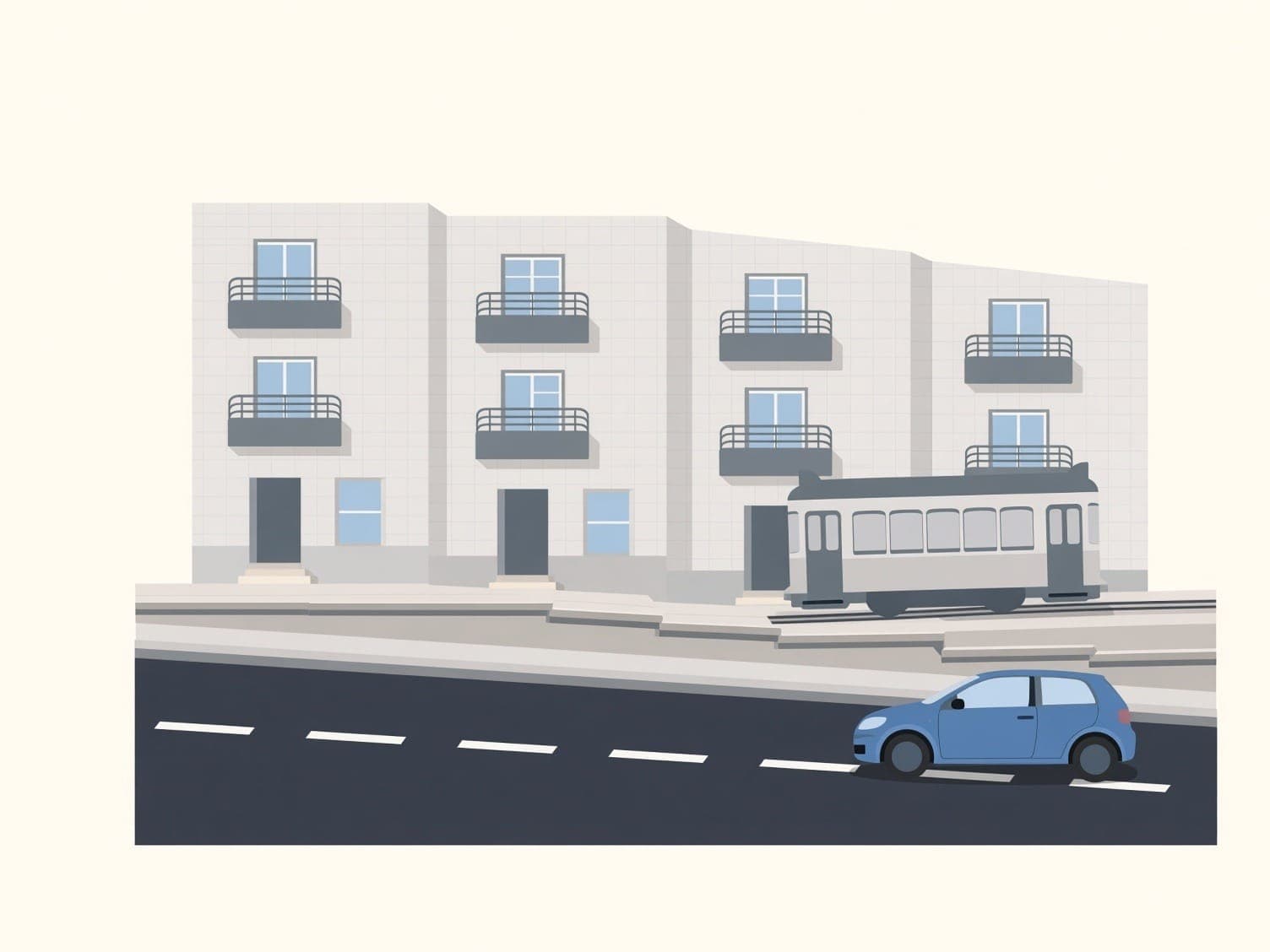
- Tram 28 route has very narrow streets - be careful
- Electric scooter rentals are widely available
- Scooter parking is much easier than finding car parking
Insurance warning
Third-party insurance is required minimum. Comprehensive recommended for hilly terrain.
Traffic rules in Lisbon
Local traffic rules
Drive on the RIGHT
Many one-way streets in historic neighborhoods
Trams have right of way - always yield
Toll roads use Via Verde electronic system
Give way to traffic from right at unmarked junctions
Common tourist mistakes
- Underestimating how steep the hills really are
- Not respecting tram lines and their passengers
- Taking a car into narrow Alfama streets
- Forgetting to pay camera toll fees
- Parking on hills without turning wheels toward curb
Horn culture
Minimal horn use. Portuguese drivers are relatively calm and patient.
Traffic fines & penalties
Safety tips
Essential safety tips
- Lisbon's hills are challenging - practice on flat areas first
- Cobblestones are dangerously slippery when wet
- Some tourist areas have car break-in risks - don't leave valuables visible
- Trams on narrow streets require patience
- GPS navigation is essential due to complex one-way system
Best time to drive
Early morning or after 8 PM. Siesta time (2-4 PM) is also quieter.
Seasonal weather warning
October-March: Rain makes cobblestones very slippery. Extra caution needed on hills.
Areas to avoid (for beginners)
- Alfama (narrow, steep, tourist-heavy)
- Bairro Alto at night (pedestrian party area)
- Baixa shopping area during peak times
Parking
Average cost
€1.50-3/hourScooter parking
Free scooter parking areas throughout the city. Much easier than car parking.
Parking tips
- Use EMEL app for street parking payment
- Underground parking at Restauradores is central
- Hilly areas have very limited parking
- Free parking is difficult to find in central areas
- Watch for street cleaning days - cars get towed
Where to park
Lisbon
Where to park
Renting a car in Lisbon?
We may earn a commission from bookings made through this link, at no extra cost to you.
FAQ: Driving in Lisbon
Is it difficult to drive in Lisbon?
Lisbon is challenging due to steep hills, narrow streets, and cobblestones. Many tourists prefer walking, trams, and tuk-tuks in the center. A car is useful for exploring outside the city.
Do I need a car in Lisbon?
Not for the city center. Public transport, walking, and the iconic trams cover tourist areas well. Consider renting for day trips to Sintra, Cascais, or the Algarve.
How do tolls work in Portugal?
Portugal uses electronic tolls (Via Verde). Rental cars usually include a toll device. Otherwise, pay at post offices within 5 days or pre-pay online.
Are the hills in Lisbon really that steep?
Yes! Lisbon is built on seven hills. Some streets have 15-20% grades. If driving, ensure your car handles hills well and know how to do a hill-start.
What about the famous Tram 28 route?
Tram 28 runs through narrow historic streets. If driving nearby, yield to trams and expect tight squeezes. Better to ride the tram as a tourist experience!
Can you pass the test?
Try a few real practice questions
What is the default speed limit in Portuguese urban areas (localidades)?
No signup required.
Emergency contacts
Practice for your Portugal driving test
Prepare for the official driving theory test with practice questions, road signs, and study materials.