 Complete guide 2026Updated April 2026
Australian Driving Licence 2026 The Complete Guide
Everything you need to know about getting your driving licence in Australia — state-based theory tests (30-45 questions), graduated licensing (L-P1-P2-Full), costs AUD 700-1,200, 0.05% BAC (0.00% learners/provisional), demerit points, left-side driving, and unique outback hazards.
Table of Contents
Theory Test
Computer-based multiple-choice test with 30-45 questions depending on state/territory.
Pass mark ranges from 78% to 90%. In NSW it is called the Driver Knowledge Test (DKT) with 45 questions (pass mark 36/45, 80%); in Victoria it is a Learner Permit Knowledge Test with 32 questions. All states test road rules, traffic signs, and safe driving practices.
Total Cost
AUD 700-1,200 total including learner permit (AUD 24-56), knowledge test (AUD 24-47), driving lessons (AUD 400-800 for ~10 hours), practical test (AUD 48-100), and provisional licence (AUD 55-185).
Costs vary significantly between states. Victoria and NSW tend to be more expensive.
Road Deaths
Approximately 1,266 road fatalities in 2023, with a rate of ~4.7 per 100,000 population.
While Australia's road toll declined significantly from 1,970 in 1990, it has been rising since 2021 (1,123 in 2021, 1,194 in 2022). Speed, alcohol, and fatigue remain the leading contributors to fatal crashes, particularly in rural and remote areas.
BAC Limits
0.05% BAC for fully licensed drivers across all states and territories.
0.00% BAC (zero tolerance) for all learner and provisional licence holders. Commercial vehicle drivers (heavy vehicles, buses, taxis) must maintain 0.00-0.02% BAC depending on category and state. Random breath testing (RBT) is widely conducted.
Demerit Points
12-13 demerit points for full licence holders (varies by state).
Provisional P1 holders typically have 4 points, P2 holders have 7 points. Exceeding your point limit results in licence suspension. Points remain on your record for 3 years. Double demerits apply on public holidays in some states (NSW, WA).
Global Context
Australia's road death rate (~4.7/100K) is comparable to the UK (2.3) and significantly lower than the USA (12.2).
The graduated licensing system (L-P1-P2-Full) is one of the most comprehensive globally. Left-side driving is shared with the UK, Japan, and New Zealand. The vast distances and remote roads present unique challenges.
Australia Road Safety: 3-Year Trend (2021–2023)
Australia's road toll has been rising in recent years. The 2023 figure of approximately 1,266 deaths marked a 6.0% increase from 1,194 in 2022, which itself was a 6.3% increase from 1,123 in 2021. Rural roads remain disproportionately dangerous, accounting for roughly 65% of fatalities despite carrying far less traffic. Speed, alcohol, fatigue, and distraction are the primary contributing factors.
Year-over-year changes
Deaths per 100,000 Population
 USA12.2
 New Zealand5.6
- Australia4.7
 UK2.3
 Japan2.1
Source: WHO Global Status Report on Road Safety, BITRE Road Deaths Australia. Per-capita rates are estimates and may vary by methodology.
Australian Theory Test Format
Computer-based knowledge test administered at state licensing centres across Australia
The Australian driving knowledge test is administered by each state and territory's road authority. In New South Wales (Service NSW), the Driver Knowledge Test (DKT) has 45 multiple-choice questions with a pass mark of 36/45 (80%). In Victoria (VicRoads), the Learner Permit Knowledge Test has 32 questions requiring 78% to pass. Queensland (TMR) uses 30 questions with a pass mark of 90%. Western Australia has 30 questions requiring 24/30 (80%). South Australia has 50 questions (8 giving-way questions that must all be correct, plus 32/42 correct on the remaining questions) with an overall pass mark of ~78%. The test covers road rules, traffic signs, safe driving practices, and hazard awareness. All tests are computer-based and available in multiple languages.
Questions
Duration
Pass Mark
Test Fee
What the Theory Test Covers
- Traffic signs, signals, and road markings
- Roundabout rules and right-of-way
- Speed limits by road type and zone
- Lane use and merging rules
- Pedestrian and cyclist safety
- Seatbelt and child restraint requirements
- Vehicle roadworthiness and registration
- Hazard perception and safe following distances
- Driving in adverse weather conditions
- Crash procedures and emergency response
- Graduated licensing system (L, P1, P2, Full)
- BAC limits and random breath testing
- Demerit point system and penalties
- Mobile phone restrictions by licence type
- Fatigue management and rest breaks
How to Get Your Australian Driving Licence
From learner permit to full licence — the graduated licensing system
- 1
Apply for a Learner Permit
Pass an eyesight test and the computer-based knowledge test at a licensing centre
Must be at least 16 (most states). Requires 100 points of ID. Learner permit fee: AUD 24-56 depending on state. Knowledge test fee: AUD 24-47.
- 2
Complete Supervised Driving Hours
Log the required hours of supervised driving practice with a fully licensed driver
NSW requires 120 hours (20 at night) in a log book. Victoria requires 120 hours (10 at night). QLD requires 100 hours (10 at night). Must display L plates at all times.
- 3
Take Professional Driving Lessons
Optional but highly recommended — professional lessons may count for bonus log book hours
In some states, 1 hour with a professional instructor counts as 3 log book hours (up to 10 hours). Typical cost: AUD 50-80 per lesson.
- 4
Pass the Practical Driving Test
Demonstrate safe driving skills in a supervised on-road assessment
Typically 30-45 minutes. Tested on: starting/stopping, turning, roundabouts, lane changes, parking, hazard response. Test fee: AUD 48-100.
- 5
Obtain P1 (Provisional 1) Licence
After passing the practical test, receive your P1 licence with restrictions
P1 typically lasts 1-2 years. Restrictions: 0.00% BAC, passenger limits (varies by state), speed limits (90 km/h NSW, 80 km/h TAS), no phone use. Display red P plates.
- 6
Progress to P2 (Provisional 2) Licence
After minimum P1 period, pass the hazard perception test to upgrade to P2
P2 typically lasts 2-3 years. Fewer restrictions but still 0.00% BAC. Display green P plates. Maximum speed limit 100 km/h (NSW). Hazard perception test fee: AUD 24-47.
- 7
Obtain Full (Unrestricted) Licence
After completing the P2 period, apply for a full licence
Full licence holders have 0.05% BAC limit, 12-13 demerit points (varies by state), and no P plate speed restrictions. Some states require a final driving assessment. Licence fee: AUD 55-185 (varies by duration and state).
Australian Driving Licence Fees
Total cost AUD 700-1,200 — fees vary by state and territory
| Fee | Amount |
|---|---|
| Learner permit application | AUD 24-56 |
| Knowledge test fee | AUD 24-47 |
| Professional driving lessons (~10 hrs) | AUD 400-800 |
| Practical driving test fee | AUD 48-100 |
| Hazard perception test (P1 to P2) | AUD 24-47 |
| Provisional licence fee | AUD 55-100 |
| Full licence fee (5-year) | AUD 55-185 |
| Total Typical Cost | AUD 700-1,200 |
Fees vary significantly between states and territories. NSW and Victoria tend to be more expensive. Concession rates available for eligible applicants. Retake fees apply for failed tests. Some states offer fee-free learner permits for disadvantaged applicants.
See how ready you are — practice with real exam questions
Try Free QuestionsMinimum age by licence category
- Learner Permit — Supervised driving onlyMust be accompanied by fully licensed driver16years
- P1 — Provisional 1 (Red P)Restrictions: 0% BAC, passenger limits, speed limits17years
- P2 — Provisional 2 (Green P)Fewer restrictions, still 0% BAC17years
- C — Car (Full licence)Vehicles up to 4.5t GVM17years
- LR — Light RigidVehicles 4.5-8t GVM20years
- MR — Medium RigidTwo-axle vehicles over 8t GVM20years
- HR — Heavy RigidThree or more axles21years
- HC — Heavy CombinationPrime mover and semi-trailer21years
- MC — Multi-CombinationRoad trains and B-doubles21years
- R — MotorcycleAlso has graduated L-P system16years
Licence Validity Periods
| Licence / age | Validity |
|---|---|
| Learner PermitVaries by state; renewable | 1-3 years |
| P1 (Provisional 1)Must hold for minimum period | 1-2 years |
| P2 (Provisional 2)Must hold for minimum period | 2-3 years |
| Full LicenceChoose duration at renewal; longer = cheaper per year | 1-10 years |
Demerit Point System
- Full licence holders: 12-13 points (varies by state)
- P2 provisional holders: 7 points
- P1 provisional holders: 4 points
- Learner permit holders: 4 points
- Exceeding your point limit: licence suspended for 3-6 months
Graduated Licensing System (GLS)
- Learner (L) — minimum 12 months, 100-120 supervised hours
- Provisional 1 (P1, Red P) — minimum 1-2 years, speed and passenger restrictions
- Provisional 2 (P2, Green P) — minimum 2-3 years, fewer restrictions
- Full (Open) — no restrictions except standard road rules
- Total time from L to Full: approximately 4-5 years minimum
Speed Limits in Australia
All speeds in km/h — default limits apply unless otherwise signed
Australia's speed limits are set by each state and territory. The default urban speed limit is 50 km/h in all states. School zones are typically 40 km/h. Rural speed limits are generally 100 km/h (unsigned) or 110 km/h (signed). The Northern Territory allows 130 km/h on designated sections of the Stuart Highway. Freeways and motorways are typically 100-110 km/h, with some sections at 80 km/h in urban areas. P1 provisional drivers are limited to 90 km/h in NSW and 80 km/h in Tasmania; Victoria has no specific P1 speed restriction beyond posted limits. Speed cameras and police enforcement are widespread.
| Road Type | Speed Limit (km/h) | Note |
|---|---|---|
| Urban / Built-up areas | 50 | Default in all states |
| School zones | 40 | During school hours |
| Rural roads (unsigned) | 100 | Default rural limit |
| Rural roads (signed) | 110 | Where signed |
| Freeways / Motorways | 100-110 | Varies by section |
| NT designated highways | 130 | Northern Territory only |
Urban / Built-up areas
Speed Limit (km/h): 50Default in all states
School zones
Speed Limit (km/h): 40During school hours
Rural roads (unsigned)
Speed Limit (km/h): 100Default rural limit
Rural roads (signed)
Speed Limit (km/h): 110Where signed
Freeways / Motorways
Speed Limit (km/h): 100-110Varies by section
NT designated highways
Speed Limit (km/h): 130Northern Territory only
P1 provisional drivers are limited to 90 km/h (NSW) and 80 km/h (TAS). Victoria has no specific P1 speed restriction. Speed cameras and mobile speed enforcement are widespread. Penalties include heavy fines and licence suspension for excessive speeding. Always obey posted signs — they override default limits.
Traffic Fines & Penalties
Fines vary by state and territory — representative figures shown (NSW/VIC examples)
Australian traffic fines vary significantly between states and territories. NSW and Victoria tend to have the highest penalties. Speeding fines increase progressively with the amount over the limit. Drink driving offences carry heavy fines, licence disqualification, and potential imprisonment. Mobile phone offences have been significantly increased in recent years. Double demerit points apply on public holidays in NSW, WA, and the ACT, meaning fines and points are doubled during these periods.
Up to A$300A$301–1,000Over A$1,000
| Violation | Fine (AUD) | Demerit Points |
|---|---|---|
| Speeding 1-10 km/h over | $130-290 | 1-2 |
| Speeding 10-20 km/h over | $290-500 | 3-4 |
| Speeding 20-30 km/h over | $500-950 | 4-5 |
| Speeding 30-45 km/h over | $950-2,530 | 5-6 |
| Speeding 45+ km/h over | $2,530+ | 6+ |
| Running a red light | $500-650 | 3 |
| Using mobile phone while driving | $350-1,000 | 5 |
| Low-range drink driving (0.05-0.08) | $1,100-2,200 | Disqualification |
| Mid-range drink driving (0.08-0.15) | $2,200-3,300 | Disqualification |
| High-range drink driving (0.15+) | $3,300+ | Disqualification |
| Not wearing seatbelt | $350-680 | 3 |
| Driving unregistered vehicle | $700-1,500 | — |
- $130-290
Speeding 1-10 km/h over
1-2 - $290-500
Speeding 10-20 km/h over
3-4 - $500-950
Speeding 20-30 km/h over
4-5 - $950-2,530
Speeding 30-45 km/h over
5-6 - $2,530+
Speeding 45+ km/h over
6+ - $500-650
Running a red light
3 - $350-1,000
Using mobile phone while driving
5 - $1,100-2,200
Low-range drink driving (0.05-0.08)
Disqualification - $2,200-3,300
Mid-range drink driving (0.08-0.15)
Disqualification - $3,300+
High-range drink driving (0.15+)
Disqualification - $350-680
Not wearing seatbelt
3 - $700-1,500
Driving unregistered vehicle
Fines shown are representative and vary by state/territory. NSW and VIC generally have the highest fines. Double demerit points apply on public holidays in NSW, WA, and ACT. Drink driving offences also carry mandatory licence disqualification periods and potential court appearances.
Know These Rules Before Your Knowledge Test
Traffic fines, speed limits, and the demerit point system are tested in the Australian knowledge test. Practice with real exam-style questions.
How the road worksMandatory, with a penaltyMakes it easier
Drive on the Left
Australia uses left-hand traffic.
Overtake on the right. Give way to the right at uncontrolled intersections and roundabouts. This is the same as the UK, Japan, and New Zealand.
BAC Limits
0.05% BAC for full licence holders.
0.00% BAC for all learner and provisional licence holders. Commercial vehicle drivers must maintain 0.00-0.02% BAC depending on category and state. Random breath testing (RBT) is conducted extensively — over 20 million tests per year nationally.
Seatbelts & Child Restraints
Seatbelts mandatory for all occupants.
Children under 6 months must be in a rear-facing child restraint. Ages 6 months to 4 years: rear-facing or forward-facing restraint. Ages 4-7: forward-facing restraint or booster seat. Children under 7 cannot sit in the front seat of a vehicle with two or more rows.
Mobile Phone Rules
Fully licensed drivers may use hands-free only.
P1 and P2 provisional licence holders cannot use a mobile phone in any capacity while driving (including hands-free, Bluetooth, or as a GPS). Learner permit holders have the same restrictions as P1/P2. Fine: AUD 350-1,000 + 5 demerit points.
Roundabout Rules
Give way to vehicles already in the roundabout (coming from the right).
Always enter a roundabout by turning left. Signal left when exiting the roundabout. Multi-lane roundabouts: use the left lane for turning left or going straight, the right lane for turning right or making a U-turn.
School Zones
Speed limit 40 km/h in school zones during designated hours (typically 8:00-9:30 AM and 2:30-4:00 PM on school days).
Heavy penalties for speeding in school zones — double demerits may apply. Flashing lights indicate when the school zone is active.
Fatigue Management
Driving while fatigued is a serious offence.
Heavy vehicle drivers must comply with mandatory rest requirements under the Heavy Vehicle National Law. For all drivers, it is recommended to stop every 2 hours and avoid driving between midnight and 6 AM.
Emergency Vehicles
You must give way to emergency vehicles displaying flashing lights or sounding a siren.
Pull over to the left when safe and stop if necessary. Slow to 40 km/h when passing stationary emergency vehicles with flashing lights (in NSW, QLD, and some other states).
Compulsory Third Party Insurance
CTP (Compulsory Third Party) insurance is mandatory in all states and territories and is included with vehicle registration (greenslip in NSW).
It covers injuries to other people in a crash. Comprehensive and third-party property insurance are separate and optional but highly recommended.
Common Road Hazards in Australia
~1,266 road fatalities in 2023 — know these hazards to stay safe on Australian roads
Kangaroos & Wildlife
Kangaroos, wombats, emus, and other wildlife are a major collision hazard, particularly at dawn and dusk on rural roads. Kangaroo strikes cause thousands of crashes each year and can be fatal.
Road Trains
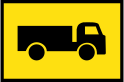
Road trains (up to 53.5 metres long) operate on outback highways in the NT, WA, QLD, and SA. Allow at least 1 km of clear road before overtaking. Never force a road train to brake — the stopping distance is enormous.
Vast Distances & Fatigue
Distances between towns in rural Australia can be hundreds of kilometres. Driver fatigue causes approximately 20% of fatal crashes. Stop every 2 hours, share driving, and never drive tired.
Bushfires
Bushfires can close roads with little warning. Check fire danger ratings before long trips. If caught in a bushfire while driving, park away from trees, close windows and vents, stay in the car with headlights on.
Flooding & Wet Roads
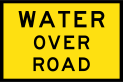
Flash flooding on outback roads can make them impassable. Never drive through floodwater — 'If it is flooded, forget it.' Wet roads in tropical QLD and NT during the monsoon season are particularly dangerous.

Unsealed Roads
Many rural and outback roads are unsealed (gravel or dirt). Reduce speed significantly, maintain a safe following distance due to dust, and be aware of corrugations and soft edges that can cause loss of control.
Australian States & Territories
Each state and territory has its own road authority and licensing rules — licences are mutually recognised across Australia
- 1New South WalesSydneyService NSW8.2M
- 2VictoriaMelbourneVicRoads6.7M
- 3QueenslandBrisbaneTMR5.4M
- 4Western AustraliaPerthDoT WA2.9M
- 5South AustraliaAdelaideDIT SA1.8M
- 6TasmaniaHobartService Tasmania572K
- 7ACTCanberraAccess Canberra462K
- 8Northern TerritoryDarwinDIPL NT250K
Australia has 6 states and 2 territories. Each has its own road authority and licensing rules, though there is broad consistency under the National Road Transport Commission framework. Licences issued in one state are valid in all others.
Myth: The driving rules are the same across all Australian states
Fact: While there is broad consistency, rules differ between states. For example, NSW has 120 supervised hours while QLD has 100. P1 speed limits are 90 km/h in NSW and 80 km/h in Tasmania, while Victoria has no specific P1 speed restriction. Double demerit points apply in NSW and WA but not Victoria. Hook turns exist only in Melbourne. Always check the rules for the state you are driving in.
Myth: You can use your phone on speaker while driving on a provisional licence
Fact: P1 and P2 provisional licence holders cannot use a mobile phone in any capacity while driving — including hands-free, Bluetooth, speaker, or as a navigation device. The only exception in some states is to make a 000 emergency call when it is unsafe to stop. Full licence holders may use hands-free only.
Myth: International drivers can drive indefinitely in Australia with an overseas licence
Fact: International visitors can drive on a valid overseas licence (with an English translation or IDP if not in English) for up to 3-6 months depending on the state. After becoming a permanent resident, you must convert to an Australian licence within 3-6 months (varies by state). Some states require you to pass a knowledge test and/or driving test for conversion.
Myth: The speed limit on country roads is 110 km/h unless otherwise signed
Fact: The default rural speed limit in most states is actually 100 km/h (not 110). The limit is only 110 km/h where specifically signed. In the Northern Territory, some designated highways allow 130 km/h. Always look for posted speed signs rather than assuming the limit.
Myth: Demerit points reset when you renew your licence
Fact: Demerit points remain on your record for 3 years from the date of the offence, regardless of licence renewal. They do not reset when you renew or upgrade your licence. If you accumulate too many points, your licence will be suspended even if you recently renewed it.
Myth: You only need to stop at a roundabout if there are other cars
Fact: You must give way to all vehicles already in the roundabout. You are not required to stop if the roundabout is clear, but you must slow down and be prepared to give way. Failing to give way at a roundabout carries fines and demerit points. Always signal when exiting.
Recent Changes to Australian Driving Laws
Key regulatory updates affecting drivers across Australian states and territories
National heavy vehicle rest area standards introduced
New national standards for heavy vehicle rest areas being implemented to address fatigue-related crashes. Mandatory minimum facilities and spacing requirements along major freight routes.
Mobile phone detection cameras expand nationally
Following NSW's successful rollout, mobile phone detection cameras are being adopted in Victoria, Queensland, and other states. AI-powered cameras detect drivers using mobile phones, with fines of AUD 350-1,000 and 5 demerit points.
National Road Safety Strategy 2021-2030 mid-term review
Mid-term review of the National Road Safety Strategy targeting a 50% reduction in fatalities and serious injuries by 2030. Focus on safer roads, safer vehicles, safer speeds, and post-crash response.
Autonomous emergency braking (AEB) standards updated
Updated Australian Design Rules requiring AEB in all new light vehicles. Part of the broader move toward safer vehicles under the National Road Safety Strategy.
Drug driving testing expanded
Mobile Drug Testing (MDT) expanded significantly across states. Tests for THC (cannabis), methylamphetamine, and MDMA. Positive test results in immediate licence suspension and fines.
NSW mobile phone detection cameras launched
NSW became the first jurisdiction globally to use AI-powered cameras to detect illegal mobile phone use while driving. Over 30 million checks in the first year. Resulted in significant reduction in mobile phone use while driving.
How Australia Compares Globally
Australia's driving regulations compared to other countries — data compiled from official government sources
StrictestIn betweenMost lenientBAC limit and minimum age
| Parameter | Australia | UK | USA | New Zealand | Japan |
|---|---|---|---|---|---|
| BAC Limit | 0.05% | 0.05/0.08% | 0.08% | 0.05% | 0.03% |
| Min. Age (Car) | 16–17 | 17 | 16 | 16 | 18 |
| Driving Side | Left | Left | Right | Left | Left |
| Highway Speed | 110–130 | 112 | 105–130 | 100–110 | 120 |
| Test Questions | 30–45 | 50 | 20–50 | 35 | 50 |
| Licence Cost | A$700–1,200 | £1,000–1,500 | $200–500 | NZ$400–800 | ¥300K+ |
| Road Deaths/yr | ~1,266 | ~1,695 | 40,901 | ~362 | 2,678 |
| Deaths/100K | ~4.7 | ~2.3 | ~12.2 | ~5.6 | ~2.1 |
BAC Limit
Australia: 0.05%UK: 0.05/0.08%USA: 0.08%New Zealand: 0.05%Japan: 0.03%Min. Age (Car)
Australia: 16–17UK: 17USA: 16New Zealand: 16Japan: 18Driving Side
Australia: LeftUK: LeftUSA: RightNew Zealand: LeftJapan: LeftHighway Speed
Australia: 110–130UK: 112USA: 105–130New Zealand: 100–110Japan: 120Test Questions
Australia: 30–45UK: 50USA: 20–50New Zealand: 35Japan: 50Licence Cost
Australia: A$700–1,200UK: £1,000–1,500USA: $200–500New Zealand: NZ$400–800Japan: ¥300K+Road Deaths/yr
Australia: ~1,266UK: ~1,695USA: 40,901New Zealand: ~362Japan: 2,678Deaths/100K
Australia: ~4.7UK: ~2.3USA: ~12.2New Zealand: ~5.6Japan: ~2.1
Australia
Same as NZ. Lower than USA (0.08%). UK is 0.08% in England/Wales/NI but 0.05% in Scotland. Higher than Japan (0.03%). Learner/provisional must be 0.00% in all states.
Varies by state. Learner permit at 16 (most states), 15 years 9 months (QLD). USA allows from 16, UK from 17, Japan from 18.
110 km/h most states, 130 km/h NT. UK 113 km/h (70 mph), USA varies, NZ 100-110, Japan 120 km/h.
Total including lessons. UK ~GBP 1,000-1,500. USA $200-500. NZ ~NZD 400-800. Japan JPY 300K+.
~4.7 per 100K — similar to NZ (5.6), much lower than USA (12.2), higher than UK (2.3) and Japan (2.1).
Road deaths: Australia ~1,266 (BITRE 2023), UK ~1,695 (DfT 2023), USA 40,901 (NHTSA 2023), NZ ~362 (NZTA 2023), Japan 2,678 (NPA 2023). Per-capita rates: Australia ~4.7, UK ~2.3, USA ~12.2, NZ ~5.6, Japan ~2.1 per 100K. Costs include typical driving lessons and all fees.
Primary Sources
Verification Methodology
Every fact on this page has been cross-referenced against at least two authoritative sources. Our process:
- 1Primary data collected from Australian state and territory road authority websites
- 2Cross-verified against BITRE national statistics, National Road Safety Strategy, and WHO reports
- 3State-by-state variations noted where applicable (fees, rules, penalties)
- 4Page reviewed and fact-checked on March 27, 2026
If you find an error, please contact us so we can correct it immediately.
Frequently Asked Questions
How much does a driving licence cost in Australia?
The total cost ranges from AUD 700 to 1,200 depending on the state/territory. This includes: learner permit (AUD 24-56), knowledge test (AUD 24-47), professional driving lessons (~AUD 400-800 for 10 hours), practical driving test (AUD 48-100), hazard perception test (AUD 24-47), and licence fees (AUD 55-185). NSW and Victoria are typically more expensive.
What is the Australian theory test format?
The format varies by state. NSW: 45 questions (Driver Knowledge Test), need 36/45 (80%). Victoria: 32 questions (Learner Permit Knowledge Test), need 78%. Queensland: 30 questions, need 90%. WA: 30 questions, need 24/30. SA: 50 questions (8 giving-way questions must all be correct + 32/42 others). All tests are computer-based multiple-choice covering road rules, signs, and safe driving.
What is the blood alcohol limit in Australia?
0.05% BAC for full licence holders. 0.00% BAC for all learner and provisional (P1 and P2) licence holders. 0.00-0.02% BAC for heavy vehicle, taxi, and bus drivers (varies by category and state). Random breath testing (RBT) is conducted extensively across all states. Penalties for drink driving include heavy fines (AUD 1,100-3,300+), licence disqualification, and potential imprisonment.
What are the speed limits in Australia?
Default urban limit: 50 km/h. School zones: 40 km/h during school hours. Default rural limit: 100 km/h (unsigned). Signed rural roads: 110 km/h. Freeways: 100-110 km/h. NT designated highways: 130 km/h. P1 provisional drivers limited to 90 km/h (NSW) and 80 km/h (TAS); Victoria has no specific P1 speed restriction. Always obey posted speed signs.
What are the emergency numbers in Australia?
000 — the primary emergency number for police, fire, and ambulance (works from all phones). 112 — works from all GSM mobile phones (diverts to 000). 131 444 — Police Assistance Line (non-emergency). 132 500 — State Emergency Service. 13 11 26 — Poisons Information Centre.
Can international drivers drive in Australia?
International visitors can drive on a valid overseas licence for up to 3-6 months (varies by state). If your licence is not in English, you need a certified English translation or International Driving Permit (IDP). After becoming a permanent resident, you must convert to an Australian licence within 3-6 months. Conversion requirements vary — some states require knowledge and/or driving tests.
How many supervised driving hours are required?
NSW: 120 hours (20 at night). Victoria: 120 hours (10 at night). Queensland: 100 hours (10 at night). WA: 50 hours (5 at night). SA: 75 hours (15 at night). Tasmania: 80 hours (15 at night). ACT: no minimum but recommended. NT: no minimum. Professional instructor hours may count for bonus hours in some states (3:1 ratio).
What is the graduated licensing system?
Australia's graduated licensing system has 4 stages: Learner (L plates, minimum 12 months, supervised driving only), Provisional 1 (P1, red P plates, 1-2 years, speed and passenger restrictions, 0% BAC), Provisional 2 (P2, green P plates, 2-3 years, fewer restrictions, 0% BAC), and Full (Open, no P-plate restrictions, 0.05% BAC, 12-13 demerit points). Total time from L to Full: approximately 4-5 years.
How does the demerit point system work?
Full licence holders have 12-13 points (varies by state). P2 holders have 7 points, P1 holders have 4 points, and learners have 4 points. Points are added for offences and remain for 3 years. Exceeding your limit results in licence suspension (3-6 months). Double demerit points apply on public holidays in NSW, WA, and the ACT.
What are the mobile phone rules for drivers?
Full licence holders: hands-free use only (Bluetooth, speaker, mounted GPS). P1, P2, and learner permit holders: no mobile phone use at all while driving — not even hands-free, Bluetooth, or GPS functions. Exception: calling 000 in an emergency when it is unsafe to pull over. Penalties: AUD 350-1,000 fine + 5 demerit points. Mobile phone detection cameras operate in several states.
What are the P plate speed restrictions?
P1 (Red P) speed limits: NSW 90 km/h, ACT 90 km/h, Tasmania 80 km/h. Victoria has no specific P1 speed restriction — P1 holders can drive at the posted speed limit. In QLD, WA, SA, and NT, P1 holders can also drive at the posted limit. P2 (Green P) speed limits: NSW 100 km/h, ACT 100 km/h. In most other states, P2 holders can drive at the posted speed limit.
Are road trains dangerous?
Road trains (up to 53.5 metres and 170+ tonnes) are a common feature on outback highways in the NT, WA, QLD, and SA. They cannot stop quickly and create significant air turbulence. Allow at least 1 km of clear road before overtaking. Pull over to the left and slow down when a road train approaches from the opposite direction on narrow roads. Never force a road train to brake.
What should I do about kangaroos on the road?
Kangaroo strikes are most common at dawn and dusk in rural areas. Reduce speed in kangaroo warning zones. If a kangaroo appears on the road, brake firmly but do not swerve — swerving at speed often causes a worse crash than hitting the animal. Use high beam at night in rural areas to spot animals earlier. Fit a bull bar for frequent rural driving.
What are the child car seat requirements?
Birth to 6 months: rear-facing child restraint. 6 months to 4 years: rear-facing or forward-facing child restraint with an inbuilt harness. 4-7 years: forward-facing child restraint or booster seat. Children under 4 must be in the back seat. Children 4-7 cannot be in the front seat if the vehicle has two or more rows. Fine for non-compliance: AUD 350-680 + 3 demerit points.
Do I need to carry my licence while driving?
Yes, you must carry your driver licence at all times while driving. In some states, a digital driver licence on your smartphone is accepted in addition to or instead of a physical card. Police can request to see your licence during random breath testing, licence checks, or after a crash. Failure to produce a licence can result in a fine.
Cite This Page
Use the following citations when referencing this article in academic papers, journalism, or reports.
APA 7th Edition
AutoviaTest. (2026, March 27). Australian driving licence facts 2026 — Test, fees, rules & guide. https://autoviatest.com/en/driving-test/australia/facts
MLA 9th Edition
AutoviaTest. "Australian Driving Licence Facts 2026 — Test, Fees, Rules & Guide." AutoviaTest, 27 Mar. 2026, autoviatest.com/en/driving-test/australia/facts.
Chicago 17th Edition
AutoviaTest. "Australian Driving Licence Facts 2026 — Test, Fees, Rules & Guide." Last modified March 27, 2026. https://autoviatest.com/en/driving-test/australia/facts.
Ready to Pass Your Australian Knowledge Test?
Practice with state-specific theory questions and detailed explanations. Available for NSW, VIC, QLD, WA, SA, TAS, ACT, and NT.