
 Complete guide 2026Updated April 2026
Finland Driving Licence 2026 The Complete Guide
Everything you need to know about getting your driving licence in Finland — Traficom theory test (70 questions, 83% pass mark), total cost (€1,200–3,000), 0.05% BAC, income-based day-fines (päiväsakko), mandatory winter tyres, two-phase licence system, and slippery track training.
Table of Contents
Theory Test
The Finnish driving theory test consists of 70 questions in 3 sections: 15 multiple-choice questions, 50 image-based questions, and 5 risk-identification questions.
Duration: 30 minutes. Pass mark: 83% (58/70 correct). Fee: €46. The test is administered by Ajovarma on behalf of Traficom at authorised test centres throughout Finland.
Total Cost
€1,200–3,000 for the complete driving licence process.
This includes driving school enrolment and training, theory test fee (€46), practical test fee (€110), and licence application fee (€32). Costs vary significantly depending on the driving school and how many additional lessons are needed. Helsinki and other major cities tend to be at the higher end.
Road Deaths
180 fatalities in 2025 (~3.2 per 100K).
Finland recorded 173 deaths in 2023 and ~191 in 2022. The long-term trend is steadily downward, supported by strict enforcement, mandatory winter tyre laws, and slippery-track training requirements. Moose/elk collisions remain a significant hazard with ~1,500–1,800 incidents annually.
BAC Limit
0.05% (0.5‰) — standard for most European countries.
Aggravated DUI threshold at 1.2‰ carries penalties of up to 2 years imprisonment, licence revocation, and a mandatory alcohol interlock programme. Finland's limit is less strict than Nordic neighbours Norway and Sweden (both 0.02%).
Income-Based Day-Fines
Finland uses income-based day-fines (päiväsakko) for serious traffic offences, calculated as half of daily disposable income.
Famous examples: €121,000 (Wiklöf, 2023), €116,000 (Vanjoki, 2002), €54,000 (Kuisla, 2015). However, the minimum day-fine is just €6 — low earners often pay less than in flat-fine countries. Day-fines apply for speeding 21+ km/h over the limit.
Global Context
Death rate ~3.2/100K vs Norway ~1.6, Sweden ~2.2, Germany ~3.4, USA 12.2.
Drives on the right. 0.05% BAC. Income-based fines for serious offences. Mandatory winter tyres Nov–Mar with 3PMSF symbol requirement since Dec 2024. Two-phase licence with 2-year probation. Mandatory slippery track training.
Finland Road Safety: Steady Progress (2020–2024)
According to Liikenneturva and Statistics Finland, Finland recorded 180 deaths in 2025, a slight increase from ~170 in 2024. The country maintains one of Europe's lowest road fatality rates at approximately 3.2 per 100,000 population. Key factors include mandatory winter tyre regulations, income-based fines that deter high-earners, slippery track training for new drivers, and comprehensive two-phase licensing. Moose/elk collisions (~1,500–1,800/year) remain a uniquely Finnish road safety challenge.
Road deaths per year
Deaths per 100,000 Population
 USA12.2
 Germany3.4
- Finland3.1
 Sweden2.2
 Norway1.6
Source: Liikenneturva (Finnish Road Safety Council), Statistics Finland, ETSC. Per-capita rates are estimates and may vary by methodology.
Finland Theory Test Format
Theory tests are administered by Ajovarma on behalf of Traficom at authorised test centres throughout Finland
Finland requires a computer-based theory test administered by Ajovarma on behalf of Traficom (Finnish Transport and Communications Agency / Liikenne- ja viestintävirasto). The test consists of 70 questions in 3 sections: 15 multiple-choice questions, 50 image-based questions, and 5 risk-identification questions. Duration: 30 minutes. The pass mark is 83% — you must answer at least 58 out of 70 correctly. The test covers traffic signs, road rules, right-of-way, speed limits, winter driving, and Finnish-specific regulations. Available in Finnish, Swedish, and English.
Questions
Duration
Pass Mark
Test Fee
What the Theory Test Covers
- Traffic signals, road signs, and road markings
- Right-of-way rules and roundabout priority
- Speed limits by road type and season (summer/winter)
- Parking and stopping regulations
- Pedestrian crossings and school zones
- Seatbelt and child restraint regulations
- Winter tyre requirements and tread depth (3mm minimum)
- Warning triangle and hazard light usage
- Vehicle inspection (katsastus) requirements
- Accident procedures and reporting
- Winter driving: ice, snow, reduced visibility
- Moose/elk and reindeer hazard awareness
- Income-based day-fines (päiväsakko) system
- Two-phase licence probation rules
- Headlights mandatory at all times
How to Get Your Finnish Driving Licence
From enrolment to full licence — the complete step-by-step process
- 1
Enrol at a Driving School (Autokoulu)
Register and begin theory instruction
Register at a licensed driving school (autokoulu). You must be at least 17 years and 6 months old to begin training (licence issued at 18). Note: an Age Exemption (ikäpoikkeuslupa) allows 17-year-olds to obtain a full licence if they can demonstrate a work, study, or hobby-related need — this has become increasingly popular since the 2018 Driving Licence Act reform. Bring your national ID or passport. Training includes both theory and practical instruction. Driving school is the standard path — self-study is possible but most learners attend a school.
- 2
Complete Theory Training
Classroom instruction on traffic rules and Finnish-specific topics
Complete the required theory training covering Finnish traffic law, road signs, right-of-way rules, speed limits (including seasonal variations), winter driving, moose/elk hazards, and emergency procedures. Training covers both general driving knowledge and Finnish-specific regulations including day-fines and two-phase licensing.
- 3
Pass the Theory Test
70 questions, 30 minutes, 83% pass mark (58/70)
The computer-based theory test consists of 70 questions in 3 sections: 15 MCQ, 50 image-based, and 5 risk-identification. Duration: 30 minutes. Pass mark: 83% (58/70 correct). Fee: €46. Available in Finnish, Swedish, and English. You can retake the test after a waiting period if you fail.
- 4
Complete Practical Driving Training
Learn driving skills including mandatory slippery track training
Practical training includes basic vehicle control, parking, lane changes, roundabout navigation, highway merging, and defensive driving. Finland requires mandatory slippery track training (liukasrataharjoittelu) to prepare for winter conditions. Training typically involves 18+ hours of practical instruction.
- 5
Pass the Practical Driving Test
60-minute test, fee €110
The practical driving test lasts 60 minutes and costs €110. It evaluates your ability to drive safely in real traffic conditions, including observation, signalling, lane discipline, speed management, and hazard awareness. Tests are conducted on public roads. You must demonstrate competent driving in various traffic situations.
- 6
Receive Your Driving Licence (Two-Phase System)
2-year probation period, then full licence
Upon passing both tests, apply for your licence (€32 application fee). You enter a 2-year probation period (phase 2) during which stricter rules apply — lower thresholds for licence suspension. After completing the probation period and any required additional training, you receive your full licence. Licence validity: 15 years (under 65), 5 years (65+).
Finland Driving Licence Fees
Total cost typically €1,200–3,000 including driving school, tests, and licence
| Fee | Amount |
|---|---|
| Driving school enrolment and training | €1,000–2,500 |
| Theory test fee | €46 |
| Practical test fee | €110 |
| Licence application fee | €32 |
| Slippery track training (if not included in school) | €50–150 |
| Additional driving lessons (per lesson) | €50–80 |
| First aid course (if required) | €30–60 |
| Licence renewal (after 15 years) | €32 |
| Total Typical (driving school + tests + licence) | €1,200–3,000 |
Costs vary significantly by driving school and region. Helsinki and major cities tend to be at the higher end. The number of additional lessons needed varies greatly between learners. Slippery track training is mandatory and may be included in driving school packages. Exchange rate context: approximately €1 ≈ $1.08 USD (March 2026).
See how ready you are — practice with real exam questions
Try Free QuestionsMinimum age by licence category
- AM — Moped15 years — mopeds up to 45 km/h15years
- A1 — Light motorcycle16 years — up to 125cc / 11 kW16years
- A2 — Medium motorcycle18 years — up to 35 kW18years
- A — Full motorcycle24 years — unrestricted (or 20 with 2yr A2)21years
Licence Validity
| Licence / age | Validity |
|---|---|
| Under 65 yearsStandard validity period | 15 years |
| 65 years and overMedical check required at renewal | 5 years |
| 68+ (Group 2 — C, D)Commercial vehicle licence holders | 2 years |
Two-Phase Licence System
- New drivers enter a 2-year probation period after passing tests
- During probation, lower thresholds for licence suspension apply
- Two traffic offences during probation can trigger additional training or suspension
- After the 2-year probation, the full licence is issued
- Additional training (phase 2 training) may be required during probation
Foreign Licence Conversion
- EU/EEA licences: valid in Finland, voluntary exchange available
- Non-EU licences: valid for 1 year after establishing residence
- After 1 year, must convert to a Finnish licence — theory and practical tests required
- Some bilateral agreements allow simplified conversion
- International Driving Permit (IDP) accepted for short-term visitors
- All conversions require a valid medical certificate
- Apply through Ajovarma or online via Traficom
- Driving licence from a non-EU country is invalid after 2 years of Finnish residency
Speed Limits in Finland
As per the Road Traffic Act (Tieliikennelaki) — all speeds in km/h. Seasonal variations apply.
Finland has seasonal speed limits reflecting its harsh winter conditions. Urban areas are typically 50 km/h year-round. Rural roads are 80 km/h. Main roads have summer limits of 100 km/h that drop to 80 km/h in winter. Motorways allow 120 km/h in summer but reduce to 100 km/h in winter. Variable electronic signs adjust limits in real-time based on weather and road conditions. Speed enforcement uses both fixed cameras and mobile police patrols. Minor speeding (1–20 km/h over) incurs fixed fines of €100–200, while exceeding by 21+ km/h triggers income-based day-fines.
| Road Type | Summer | Winter | Note |
|---|---|---|---|
| Urban Roads | 30–50 | 30–50 | Year-round limit; 30 km/h in some residential zones |
| Rural Roads | 80 | 80 | Year-round limit |
| Main Roads | 100 | 80 | Reduced in winter (Oct–Mar) |
| Motorways (Summer) | 120 | 80 | Summer: 120 km/h |
| Motorways (Winter) | 80–100 | 80 | Winter: reduced to 100 km/h |
Urban Roads
Summer: 30–50Winter: 30–50Year-round limit; 30 km/h in some residential zones
Rural Roads
Summer: 80Winter: 80Year-round limit
Main Roads
Summer: 100Winter: 80Reduced in winter (Oct–Mar)
Motorways (Summer)
Summer: 120Winter: 80Summer: 120 km/h
Motorways (Winter)
Summer: 80–100Winter: 80Winter: reduced to 100 km/h
Winter speed limits typically apply from October to March, depending on conditions. Variable electronic signs may further reduce limits during poor weather. Speeding 1–20 km/h over: €100–200 fixed fine. Speeding 21+ km/h over: income-based day-fines. Speeding 33+ km/h over: day-fines + licence withdrawal. Always observe posted signs, especially in winter.
Traffic Fines & Penalties
Finland's unique income-based day-fine system (päiväsakko) means fines scale with income
Finland is famous for its income-based day-fine system (päiväsakko), where serious traffic fines are calculated as half of the offender's daily disposable income. This means wealthy individuals can receive enormous fines — the largest recorded include €121,000 (Wiklöf, 2023), €116,000 (Vanjoki, 2002), and €54,000 (Kuisla, 2015). However, the minimum day-fine is just €6, so low-income earners often pay less than in countries with flat fines. Minor offences (1–20 km/h over) use fixed fines instead.
Fixed fine up to €100Fixed fine €101–€200Day-fines or courtDay-fines scale with income
| Violation | Fine | Other |
|---|---|---|
| Speeding — 1–10 km/h over | €100 fixed | — |
| Speeding — 11–15 km/h over | €170 fixed | — |
| Speeding — 16–20 km/h over | €200 fixed | — |
| Speeding — 21–32 km/h over | Day-fines (income-based) | Day-fines (income-based) |
| Speeding — 33+ km/h over | Day-fines + licence withdrawal | Day-fines + possible licence withdrawal |
| Phone use while driving | €100 fixed | Day-fines + licence withdrawal 1-6 months |
| No seatbelt | €70 fixed | Court prosecution |
| Running a red light | Day-fines | Day-fines if hazard caused |
| DUI (0.05–0.12%) | Day-fines | — |
| Aggravated DUI (1.2‰+) | Up to 2 years prison | — |
| Driving without a licence | Day-fines | Day-fines + licence suspension |
| Winter tyres violation (Nov–Mar) | €100 fixed | Prison 60d-2yr + licence ban |
- €100 fixed
Speeding — 1–10 km/h over
- €170 fixed
Speeding — 11–15 km/h over
- €200 fixed
Speeding — 16–20 km/h over
- Day-fines (income-based)Day-fines (income-based)
Speeding — 21–32 km/h over
- Day-fines + licence withdrawalDay-fines + possible licence withdrawal
Speeding — 33+ km/h over
- €100 fixedDay-fines + licence withdrawal 1-6 months
Phone use while driving
- €70 fixedCourt prosecution
No seatbelt
- Day-finesDay-fines if hazard caused
Running a red light
- Day-fines
DUI (0.05–0.12%)
- Up to 2 years prison
Aggravated DUI (1.2‰+)
- Day-finesDay-fines + licence suspension
Driving without a licence
- €100 fixedPrison 60d-2yr + licence ban
Winter tyres violation (Nov–Mar)
Day-fines (päiväsakko) are calculated as half of daily disposable income, multiplied by the number of day-fines imposed (typically 12–120). Minimum day-fine: €6. The number of day-fines depends on offence severity. Famous high fines: €121,000 (Wiklöf 2023), €116,000 (Vanjoki 2002), €54,000 (Kuisla 2015). Fixed fines (rikesakko) apply to minor offences. Unpaid fines can be enforced through the Finnish Enforcement Authority.
Know these rules before your theory test
Traffic fines, speed limits, BAC rules, and winter driving regulations are frequently tested in the Traficom theory exam. Practice with real exam-style questions.
How the road worksMandatory, with a penaltyMakes it easier
Drive on the Right
Finland drives on the right side of the road.
Overtake only on the left. At roundabouts, traffic already in the roundabout has priority unless otherwise signed. Left-hand drive vehicles are standard.
BAC Limit 0.05% (0.5‰)
The blood alcohol limit is 0.05% (0.5‰).
Aggravated DUI at 1.2‰ carries up to 2 years imprisonment and licence revocation. Finland's limit is less strict than Norway and Sweden (both 0.02%), but penalties escalate quickly for higher levels.
Winter Tyres Mandatory (Nov 1 – Mar 31)
Winter tyres are mandatory from November 1 to March 31.
Minimum tread depth: 3mm. Since December 2024, tyres must bear the Alpine/3PMSF snowflake symbol — M+S marking alone is no longer sufficient. Studded tyres are allowed November to March.
Headlights Mandatory at All Times
Dipped headlights (lähivalot) must be used at all times while driving, day and night, year-round.
This applies to all vehicles. Daytime running lights alone may not be sufficient on older vehicles — check your vehicle's compliance.
Income-Based Day-Fines (Päiväsakko)
Serious traffic offences are punished with income-based day-fines, calculated as half of daily disposable income.
This system means fines are proportional to wealth. Minor speeding (1–20 km/h over) uses fixed fines (€100–200), but 21+ km/h over triggers day-fines.
Two-Phase Licence System
New drivers enter a 2-year probation period.
During probation, stricter rules apply and two offences can trigger additional training or suspension. Mandatory slippery track training (liukasrataharjoittelu) must be completed. The full licence is issued after the probation period.
Moose/Elk and Reindeer Hazards
Finland has ~1,500–1,800 moose/elk collisions per year, causing 1–3 fatalities.
Reindeer roam freely in northern Finland (roughly north of Oulu). Watch for animal warning signs, reduce speed at dawn/dusk, and use high beams when safe to spot animals earlier.
Seatbelt Mandatory — All Seats
All occupants must wear seatbelts in all seats (front and rear).
Fine: €70 per person. Children under 135 cm must use an appropriate child restraint system. The driver is responsible for ensuring all passengers under 15 are properly restrained.
Phone Use Prohibited
Using a handheld mobile phone while driving is prohibited.
Fine: €100 fixed penalty. Only hands-free systems are permitted. This includes texting, browsing, and holding the phone for calls.
Common Road Hazards in Finland
180 road fatalities in 2025 — know these hazards to stay safe on Finnish roads
Moose/Elk Collisions
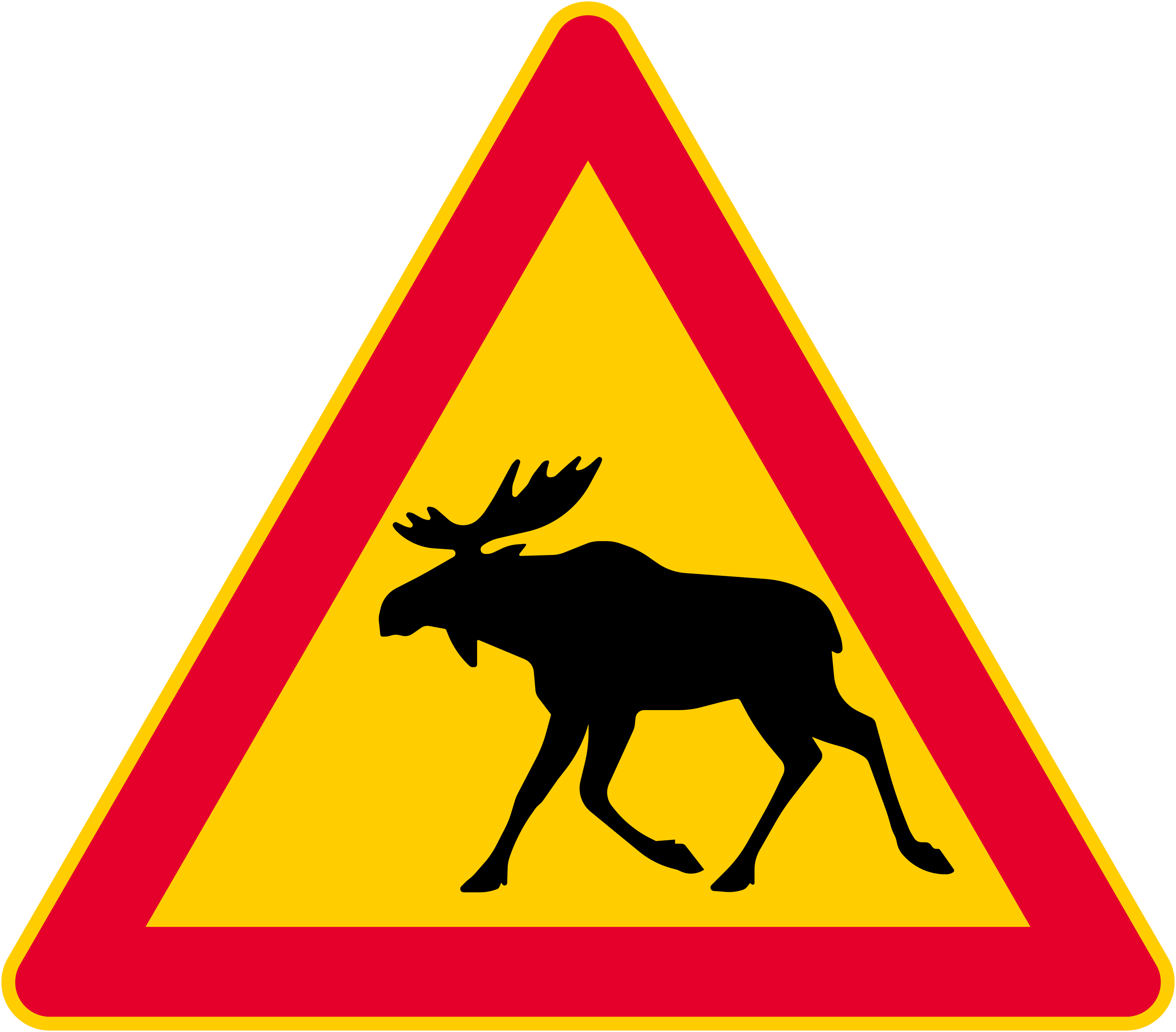
Finland records ~1,500–1,800 moose/elk collisions annually, causing 1–3 fatalities. An adult moose weighs 300–700 kg and stands at windshield height, making collisions extremely dangerous. Peak risk: May–June and September–November, especially at dawn and dusk. Watch for moose warning signs and reduce speed in forested areas.
Reindeer on Roads
In northern Finland (roughly north of Oulu), reindeer roam freely across roads year-round. Unlike moose, reindeer travel in herds — if you see one, expect more. They are particularly unpredictable and may run alongside or toward vehicles. Reduce speed significantly in reindeer warning zones.

Ice and Black Ice
Finnish winters bring extensive ice on roads, including treacherous black ice (musta jää) that is nearly invisible. Even with mandatory winter tyres, stopping distances can be 5–10 times longer than on dry roads. Mandatory slippery track training prepares new drivers, but experienced drivers must also exercise extreme caution.
Snow and Reduced Visibility
Heavy snowfall can rapidly reduce visibility and create snowdrifts across roads. Blizzard conditions (lumimyrsky) can make driving extremely hazardous. Speed limits are seasonally reduced on main roads and motorways. Carry a snow brush, ice scraper, and emergency supplies in winter.
Darkness and Polar Night
In northern Finland (Lapland), the polar night (kaamos) means near-total darkness for weeks in mid-winter. Even in southern Finland, winter days have only 6–7 hours of daylight. Mandatory headlights help, but fatigue and reduced visibility remain major risks. Reflectors on pedestrians and cyclists are legally required.
Spring Frost Heave and Potholes
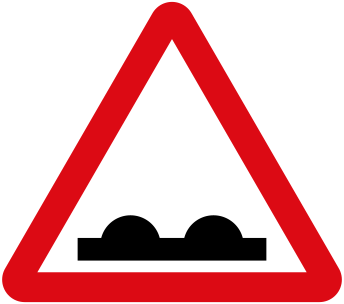
Spring thaw causes frost heave (routavaurio) that damages road surfaces, creating potholes and uneven pavement. Temporary speed limits may be posted on affected roads. This is particularly common on rural roads and less-maintained routes. Check road condition reports before long journeys in spring.
Finland's 19 Regions (Maakunta)
Finland has 19 administrative regions (maakunta), each with regional centres for driving services
- 1UusimaaHelsinki1.7M
- 2PirkanmaaTampere530K
- 3Varsinais-SuomiTurku490K
- 4Pohjois-PohjanmaaOulu415K
- 5Keski-SuomiJyväskylä275K
- 6Pohjois-SavoKuopio245K
- 7SatakuntaPori215K
- 8Päijät-HämeLahti200K
- 9Etelä-PohjanmaaSeinäjoki190K
- 10LappiRovaniemi177K
- 11Kanta-HämeHämeenlinna170K
- 12Pohjois-KarjalaJoensuu160K
- 13KymenlaaksoKouvola160K
Finnish driving rules and traffic law apply uniformly across all 19 regions. Traficom and Ajovarma operate test centres in major cities across the country. Driving school availability varies — Helsinki, Tampere, Turku, and Oulu have the most options. A licence obtained in any region is valid nationwide.
Myth: Finland has the world's most expensive speeding fines
Fact: Finland has income-BASED fines. Low earners pay less than in many countries — the minimum day-fine is just €6. It's only expensive for high earners. A person earning €1,500/month would receive a modest fine. The famous six-figure fines only apply to millionaires.
Myth: You can use any winter tyres in Finland
Fact: Since December 2024, M+S marking alone is insufficient. Tyres must have the Alpine/3PMSF snowflake symbol or be studded tyres. This change brought Finland in line with stricter EU winter tyre standards. Non-compliant tyres risk a €100 fine.
Myth: Speed limits are the same year-round
Fact: Motorway limits drop from 120 to 100 km/h and main road limits from 100 to 80 km/h in winter. Variable electronic signs adjust limits in real-time based on weather and road conditions. Seasonal reductions typically apply October to March.
Myth: Finland's BAC limit is strict
Fact: At 0.05% (0.5‰), Finland's limit is average for Europe. Nordic neighbours Norway and Sweden are significantly stricter at 0.02% (0.2‰). However, Finland's aggravated DUI threshold at 1.2‰ carries severe penalties of up to 2 years imprisonment.
Myth: Reindeer are only found in Lapland
Fact: Reindeer roam freely across a large area of northern Finland, roughly north of Oulu — this covers about one-third of the country, not just Lapland. Moose/elk are found throughout the entire country, including southern Finland, and cause far more collisions (~1,500–1,800/year).
Myth: You can drive at 17 in Finland
Fact: A B-licence permit at 17 requires special exemption with 'adequate reasons' — it is not automatic. The standard minimum age for a car (B) licence remains 18. You can begin driving school at 17½ but cannot hold a licence until 18 without the exemption.
New Driving Licence Act — single-phase B training, 17-year permits, digital licence pilot
The new Driving Licence Act reformed driver training, introducing single-phase basic training for B-category, enabling conditional driving permits from age 17, and launching a pilot programme for digital driving licences.
New Road Traffic Act — updated rules, signs, and automation framework
The new Road Traffic Act (Tieliikennelaki) came into force, modernising traffic rules and signs, introducing a framework for automated vehicles, and aligning Finnish regulations with EU directives. This was the most comprehensive reform of Finnish traffic law in decades.
Winter tyre marking change — 3PMSF symbol now mandatory
M+S (Mud and Snow) marking alone is no longer sufficient for winter tyres in Finland. All winter tyres must now have the Alpine/3PMSF (Three-Peak Mountain Snowflake) symbol, or be studded tyres. This ensures tyres meet tested snow-traction performance standards.
E-scooter regulations — BAC limit, minimum age, penalties
New regulations for electric scooters came into force: 0.5‰ BAC limit applies (same as cars), minimum age 15, and €60 penalty for underage riding. E-scooters must follow bicycle traffic rules and are prohibited on pedestrian-only areas.
Government bill amending transport and driving licence acts
A government bill proposing amendments to the transport services act and driving licence act is under consideration, addressing digitalisation of licence services, updated medical fitness requirements, and alignment with evolving EU mobility regulations.
How Finland Compares Globally
Finland driving regulations compared to other countries — data compiled from official government sources
StrictestIn betweenMost lenientBAC limit and minimum age
| Parameter | Finland | Norway | Sweden | Germany | USA |
|---|---|---|---|---|---|
| BAC Limit | 0.05% | 0.02% | 0.02% | 0.05% | 0.08% |
| Min. Age (Car) | 18 | 18 | 18 | 18 | 16 |
| Driving Side | Right | Right | Right | Right | Right |
| Highway Speed | 120 | 110 | 120 | No limit* | 105–137 |
| Test Questions | 70 | 45 | 70 | 30 MCQ | 20–50 |
| Licence Cost | €1.2–3K | NOK 25–50K | SEK 15–25K | €2–3.5K | $30–90 |
| Road Deaths/yr | ~170 | 87 | ~227 | 2,839 | 40,901 |
| Deaths/100K | ~3.1 | ~1.6 | ~2.2 | ~3.4 | 12.2 |
BAC Limit
Finland: 0.05%Norway: 0.02%Sweden: 0.02%Germany: 0.05%USA: 0.08%Min. Age (Car)
Finland: 18Norway: 18Sweden: 18Germany: 18USA: 16Driving Side
Finland: RightNorway: RightSweden: RightGermany: RightUSA: RightHighway Speed
Finland: 120Norway: 110Sweden: 120Germany: No limit*USA: 105–137Test Questions
Finland: 70Norway: 45Sweden: 70Germany: 30 MCQUSA: 20–50Licence Cost
Finland: €1.2–3KNorway: NOK 25–50KSweden: SEK 15–25KGermany: €2–3.5KUSA: $30–90Road Deaths/yr
Finland: ~170Norway: 87Sweden: ~227Germany: 2,839USA: 40,901Deaths/100K
Finland: ~3.1Norway: ~1.6Sweden: ~2.2Germany: ~3.4USA: 12.2
Finland
Finland 0.05%, same as Germany and USA (0.08%). Norway and Sweden are stricter at 0.02%. Finland's aggravated DUI at 1.2‰ carries up to 2 years prison.
Same as Norway, Sweden, and Germany. USA allows from 16. Finland permits at 17 require special exemption.
Summer limit. Drops to 100 km/h in winter. Norway 110, Sweden 120, Germany no limit* on Autobahn, USA 105–137 km/h.
Norway NOK 25–50K (~€2.2–4.5K), Sweden SEK 15–25K (~€1.3–2.2K), Germany €2–3.5K, USA $30–90.
~3.2 per 100K. Norway 111 (~2.0/100K), Sweden 208 (~2.0/100K), Germany 2,814 (~3.4/100K), USA 40,901 (12.2/100K).
Road deaths: Finland 180 (Liikenneturva 2025), Norway 111 (SSB 2025), Sweden 208 (Trafikanalys 2025), Germany 2,814 (Destatis 2025), USA 40,901 (NHTSA 2023). Per-100K rates calculated from national population data. *Germany has no general speed limit on certain Autobahn sections. Finland's motorway limits are seasonal: 120 km/h summer, 100 km/h winter.
Primary Sources
Verification Methodology
Every fact on this page has been cross-referenced against at least two authoritative sources. Our process:
- 1Primary data collected from official Traficom publications, the Road Traffic Act (Tieliikennelaki via finlex.fi), and Finnish Police statistics
- 2Cross-verified against Liikenneturva, Statistics Finland, and ETSC reports
- 3National regulations apply uniformly across all 19 regions — no regional variations in traffic law
- 4Page reviewed and fact-checked on March 26, 2026
If you find an error, please contact us so we can correct it immediately.
Frequently Asked Questions
How much does a Finnish driving licence cost?
The total cost is €1,200–3,000, including driving school enrolment and training (€1,000–2,500), theory test (€46), practical test (€110), and licence application (€32). Costs vary by driving school and region — Helsinki is typically at the higher end.
What is the theory test format?
70 questions in 3 sections: 15 multiple-choice, 50 image-based, and 5 risk-identification. Duration: 30 minutes. Pass mark: 83% (58/70 correct). Computer-based, available in Finnish, Swedish, and English. Fee: €46.
What are the speed limits in Finland?
Urban: 50 km/h. Rural: 80 km/h. Main roads: 100 km/h summer, 80 km/h winter. Motorways: 120 km/h summer, 100 km/h winter. Variable signs adjust in real-time based on conditions.
What is the BAC limit?
0.05% (0.5‰). Aggravated DUI at 1.2‰ carries up to 2 years imprisonment and licence revocation. Less strict than Norway and Sweden (both 0.02%), but penalties escalate quickly.
How do income-based speeding fines work?
Day-fines (päiväsakko) are calculated as half of daily disposable income. They apply for speeding 21+ km/h over the limit. Minimum day-fine: €6. Famous fines: €121K (Wiklöf 2023), €116K (Vanjoki 2002). Minor speeding (1–20 over) uses fixed fines: €100–200.
What are the winter tyre requirements?
Winter tyres are mandatory November 1 to March 31. Minimum tread depth: 3mm. Since December 2024, tyres must have the Alpine/3PMSF snowflake symbol — M+S alone is no longer sufficient. Studded tyres are allowed November to March.
Can I drive with a foreign licence in Finland?
EU/EEA licences are valid in Finland. Non-EU licences are valid for 1 year after establishing residence. After 1 year, you must convert — theory and practical tests required. Visitors can use an IDP with their foreign licence.
What are the emergency numbers?
112 is the unified emergency number for all services (police, fire, ambulance). Available 24/7. Finland uses a single number for all emergencies.
What is the two-phase licence system?
New drivers enter a 2-year probation period after passing tests. During probation, stricter rules apply — two traffic offences can trigger additional training or suspension. The full licence is issued after completing the probation period.
How dangerous are moose collisions?
Finland records ~1,500–1,800 moose/elk collisions annually, causing 1–3 fatalities. An adult moose weighs 300–700 kg. Peak risk: May–June and September–November, dawn and dusk. Always watch for moose warning signs and reduce speed in forested areas.
What is the fine for using a phone while driving?
€100 fixed penalty for using a handheld phone while driving. Only hands-free systems are permitted. Includes texting, browsing, and holding the phone for calls.
How long is a Finnish driving licence valid?
15 years for drivers under 65. 5 years for drivers 65 and over (medical check required). 2 years for Group 2 (C, D categories) holders aged 68+.
What is mandatory slippery track training?
All new drivers must complete slippery track training (liukasrataharjoittelu) as part of the two-phase licence system. This practical training teaches vehicle control on icy and slippery surfaces — braking, skid recovery, and safe winter driving techniques.
What are the penalties for drink driving?
DUI (0.05–0.12%): day-fines and driving ban. Aggravated DUI (1.2‰+): up to 2 years imprisonment, licence revocation, and mandatory alcohol interlock programme. Repeat offences carry increasingly severe penalties.
How old do you have to be to drive in Finland?
Car (B): 18 years. Moped (AM): 15 years. Light motorcycle (A1): 16 years. Full motorcycle (A): 24 years (or 20 with 2 years A2 experience). A 17-year permit requires special exemption with adequate reasons.
APA 7th
AutoviaTest. (2026). Finland driving licence 2026 — The complete guide. AutoviaTest. https://autoviatest.com/en/driving-test/finland/facts
MLA 9th
"Finland Driving Licence 2026 — The Complete Guide." AutoviaTest, 2026, autoviatest.com/en/driving-test/finland/facts.
Chicago 17th
AutoviaTest. "Finland Driving Licence 2026 — The Complete Guide." AutoviaTest. Accessed March 26, 2026. https://autoviatest.com/en/driving-test/finland/facts.
Ready to Pass Your Finnish Driving Test?
Practice with real exam-style questions covering all topics on the Traficom theory test. 70 questions, 83% pass mark — be prepared.
More Country Driving Guides
 India Driving Licence Facts 2026RTO test format, fees, speed limits, and traffic fines across 36 statesGermany Driving Licence Facts 2026TÜV/DEKRA test, Führerschein costs, Autobahn rules, and traffic finesNorway Driving Licence Facts 2026Statens vegvesen test format, fees, speed limits, and traffic finesSweden Driving Licence Facts 2026Transportstyrelsen test format, fees, speed limits, and traffic rules