
 Complete guide 2026Updated April 2026
Swiss Driving Licence 2026 The Complete Guide
Everything you need to know about getting your driving licence in Switzerland — theory test format, driving school costs, speed limits, Via Sicura fines, mountain driving rules, and the 3-year probationary licence system.
Table of Contents
Switzerland Driving Test Explained — Theory, Cost & Pass Rate 2026
A 2-minute walkthrough of Switzerland's driving licence system — from the Lernfahrausweis learner permit to the cantonal Strassenverkehrsamt exam.
 Video Guide · 2 min
Key Takeaways
- Switzerland's theory test (Theorieprüfung) has 50 questions; you can make up to 15 mistakes. It's available in German, French, Italian, and English.
- Total cost typically runs CHF 2,500–4,000 including mandatory lessons, the Nothilfekurs first-aid course, and cantonal fees.
- The Nothilfekurs (10-hour first-aid course) is mandatory before applying for the learner permit.
- Speed limits are 50 km/h urban, 80 rural, 100 expressways, 120 motorways — some zones drop to 30.
- Alcohol limit is 0.05% BAC, dropping to 0.01% for novice drivers and professional drivers.
- Minimum age is 18 for a Class B licence; you can take the theory at 17 with the learner permit.
- New drivers receive a 3-year probationary licence — a serious infraction can restart the clock.
Read full transcript
Switzerland's driving licence system is run by cantonal Strassenverkehrsamt offices under federal VZV regulations — and it's rigorous, structured, and famously strict on speed enforcement. Here's the 2-minute walkthrough.
0:06 Theory Test Format. Switzerland's theory test (Theorieprüfung) has 50 questions, and you can make up to 15 mistakes to pass. It's available in German, French, Italian, and English. The questions cover road rules, signage, right-of-way, and Switzerland's famously strict alcohol and speed enforcement.
0:20 Cost of a Swiss Licence. Expect to pay CHF 2,500 to 4,000 total. That covers the mandatory Nothilfekurs first-aid course (about CHF 100), eye test, Lernfahrausweis learner permit, theory and practical lessons, and cantonal exam fees. Practical driving lessons in Switzerland are expensive — CHF 80 to 120 per 45-minute session.
0:35 Swiss Speed Limits. Speed limits are 50 km/h in urban areas, 80 km/h on rural roads, 100 km/h on expressways, and 120 km/h on motorways. Many urban zones drop to 30 km/h. Switzerland operates some of the strictest speed enforcement in Europe with an enormous network of fixed and mobile speed cameras.
0:47 Traffic Fines. Swiss fines are structured but steep. Speeding 16 to 20 km/h over an urban limit is around CHF 250. Using a mobile phone is CHF 100. Drink-driving above 0.05% BAC starts at around CHF 600 plus a licence suspension. For novice drivers, the alcohol limit drops to 0.01% — effectively zero tolerance.
1:02 Key Road Rules. Switzerland drives on the right. Headlights must be on 24 hours a day, year-round, since 2014. A high-visibility vest is mandatory in the car. Winter tyres are not legally required but strongly recommended from November to March, and insurance may not cover accidents on summer tyres in winter conditions.
1:14 Step-by-Step Licence Process. The process: complete the Nothilfekurs first-aid course, pass the eye test, get your Lernfahrausweis learner permit, pass the theory exam, take practical lessons, pass the practical exam. New drivers receive a 3-year probationary licence that can be reset by any serious infraction.
1:29 Emergency Numbers. Switzerland uses 112 for general emergencies, but also has 117 for police, 118 for fire, 144 for ambulance, and 140 for road assistance. All are free and answered in German, French, Italian, and English.
1:37 Driving Myths vs Facts. Myth: any EU licence is automatically valid in Switzerland long-term. Fact: you have 12 months to exchange it for a Swiss licence if you become resident. Myth: the theory is easy if you speak German. Fact: pass rates are below 60% first attempt because Swiss rules have several unique quirks most EU drivers miss.
Practice the full VZV question bank for free on AutoviaTest to prepare for your Swiss theory exam.
Theory Test
50 multiple-choice questions in 45 minutes.
You need 135 out of 150 points (90%) to pass. Each question has up to 3 correct answers. You earn 1 point per correct sub-answer, for a maximum of 150 points. The test fee is CHF 30–45 depending on the canton. Administered at cantonal Strassenverkehrsamt offices.
Total Cost
Approximately CHF 2,000–4,000 (average ~CHF 3,000): driving school lessons CHF 80–120 per 45 min, Nothelferkurs CHF 100–200, eye test CHF 10–20, learner permit application CHF 60–120, theory test CHF 30–45, VKU (traffic theory course, 8 hrs) CHF 150–250, practical test CHF 120–140, WAB course CHF 350–500, licence issuance CHF 50–80.
TCS / ASTRARoad Deaths
214 fatalities in 2025 (~2.5 per 100K), down from 250 in 2024 but still above the 2019 low of 187 deaths.
ASTRA attributes elevated figures partly to more motorcyclist and e-bike fatalities.
BAC Limit
0.5 promille (0.05%) general limit.
Novice drivers during the 3-year probationary period: 0.1 promille (effectively zero). Professional drivers: 0.1 promille. Criminal threshold at 0.8 promille — automatic licence withdrawal.
Via Sicura
Switzerland's Via Sicura road safety programme introduced severe penalties for extreme speeding: exceeding the limit by +50 km/h in 50 km/h zones (or +40 km/h in 30 km/h zones), +60 km/h on rural roads, or +80 km/h on motorways is a criminal offence (Raserdelikt) carrying a minimum 1-year licence revocation and possible imprisonment.
Via Sicura / SVGGlobal Context
Switzerland has one of Europe's safest road networks.
Death rate ~2.8/100K vs USA 12.9, UK 2.6, Germany 3.3. Licence cost (CHF 2,000–4,000) is among the highest globally, reflecting comprehensive mandatory training including the WAB further education course.
Switzerland Road Safety: 6-Year Trend (2019–2024)
According to ASTRA and BFS, road fatalities in Switzerland have fluctuated over recent years. The 2024 figure of 214 deaths represents the highest since 2015, prompting renewed focus on Via Sicura measures.
Year-over-year changes
Deaths per 100,000 Population
 USA12.9
- Switzerland2.8
 Germany3.3
 UK2.6
 France4.7
Source: WHO Global Status Report on Road Safety, BFS/ASTRA. Per-capita rates are estimates and may vary by methodology.
Swiss Theory Test Format
The computerized theory test is administered by the cantonal Strassenverkehrsamt (road traffic office)
The Swiss driving theory test (Theorieprüfung) for Category B consists of 50 multiple-choice questions to be completed within 45 minutes. Each question has up to 3 correct answers — you earn 1 point per correct sub-answer, for a maximum total of 150 points. To pass, you must achieve at least 135 points (90%). The test fee ranges from CHF 30 to CHF 45 depending on the canton. Tests are available in German, French, Italian, and English. The question pool is maintained by ASTRA (Federal Roads Office) and covers traffic rules, road signs, right of way, vehicle safety, and eco-driving. A learner permit (Lernfahrausweis) is valid for 2 years and is issued after passing the theory test.
Questions
Duration
Pass Mark
Test Fee
What the Theory Test Covers
- Traffic signs (Verkehrstafeln) & signals
- Right of way (Vortritt / Rechtsvortritt)
- Speed limits (Innerorts, Ausserorts, Autobahn)
- Stopping & parking rules
- Roundabout rules
- Vehicle technology & maintenance
- Tyre requirements & winter driving
- Vehicle inspection (MFK / Motorfahrzeugkontrolle)
- First aid basics (Nothelferkurs)
- Eco-driving (EcoDrive)
- Motorway rules & tunnel driving
- Mountain road priority rules
- BAC limits & probationary licence rules
- Via Sicura extreme speeding provisions
- Motorway vignette requirements
How to Get Your Swiss Driving Licence
From Nothelferkurs to Führerausweis — the complete 6-step process
- 1
Complete a First Aid Course
Take the mandatory Nothelferkurs (emergency first response course)
10-hour course costing CHF 100–200. Certificate valid for 6 years. Must be completed before applying for learner permit.
- 2
Eye Test
Get an eye test from a recognised optician or doctor
CHF 10–20. Visual acuity must meet minimum requirements. Certificate valid for 24 months.
- 3
Apply for Learner Permit
Submit your application to the cantonal Strassenverkehrsamt
Application fee CHF 60–120 depending on canton. Processing takes 1–4 weeks. Learner permit valid for 2 years.
- 4
Pass Theory Test
Pass the computerized theory exam at the Strassenverkehrsamt
50 questions, 45 minutes, 135/150 points to pass. Fee CHF 30–45. Available in DE/FR/IT/EN.
- 5
Practical Driving Lessons
Complete driving lessons with a licensed instructor
No mandatory minimum hours, but typically 25–40 lessons at CHF 80–120 per 45 min. Accompanied driving (L plate) allowed from age 17.
- 6
Practical Test & WAB Course
Pass the practical driving test and complete the WAB further education course
Practical test: 45–60 min, CHF 120–140. After passing, you receive a 3-year probationary licence. WAB course (1 day, 7 hours) must be completed within 12 months of receiving the probationary licence.
- 7
VKU Traffic Theory Course
8-hour mandatory traffic awareness course (Verkehrskundeunterricht).
CHF 150–250 · Covers road users, traffic dynamics, driving forces, and eco-driving
- 8
Receive Probationary Licence
After passing the practical test, you receive a 3-year probationary licence.
3-year Probezeit · 0.1‰ BAC limit · Cascading sanctions for violations
- 9
Complete WAB Course
Mandatory further training course within 12 months of receiving your probationary licence.
1 day (7 hours) · CHF 350–500 · Required to convert to permanent licence
Swiss Driving Licence Fees
Total cost typically CHF 2,000–CHF 4,000 — average approximately CHF 3,000
| Fee | Amount |
|---|---|
| Nothelferkurs (first aid course) | CHF 100–200 |
| Eye test | CHF 10–20 |
| Learner permit application | CHF 60–120 |
| Theory test fee | CHF 30–45 |
| VKU (Verkehrskundeunterricht — traffic theory course, 8 hrs) | CHF 150–250 |
| Driving lessons (per 45 min) | CHF 80–120 |
| Typical 25–40 driving lessons | CHF 2,000–4,800 |
| Practical test fee | CHF 120–140 |
| WAB further education course | CHF 350–500 |
| Probationary licence issuance | CHF 50–80 |
| Permanent licence (after probation) | CHF 50–80 |
| Total Typical (Category B) | CHF 2,000–CHF 4,000 |
Costs vary significantly by canton. Urban areas (Zürich, Geneva) tend to be more expensive than rural cantons. TCS reports an average of ~CHF 3,000. Additional costs apply if you fail and must retake tests.
See how ready you are — practice with real exam questions
Try Free QuestionsMinimum age by licence category
- M — Mopeds up to 30 km/h14years
- A1 — Motorcycles up to 125cc / 11 kW15years
- A limited — Motorcycles up to 35 kW16years
- B — Cars up to 3,500 kg17 with accompanied driving (L plate)17years
- A — Motorcycles unlimitedRequires 2 years on A limited18years
- C — Trucks over 3,500 kgRequires professional CZV qualification18years
- D — Buses (8+ passengers)Requires professional CZV qualification20years
- C1 — Vehicles 3,500–7,500 kgProfessional driver qualification required18years
- D1 — Minibuses up to 16 seatsRequires professional CZV qualification21years
- BE/CE/DE — Trailer combinationsSeparate trailer licence add-on required21years
Licence Validity Periods
| Licence / age | Validity |
|---|---|
| M / A1 / A / BDriving right is permanent; card must be renewed | Permanent (document: 10 years) |
| C / CE (Trucks)Medical exam required for renewal | 5 years |
| D / DE (Buses)Medical exam required for renewal | 5 years |
| Probationary licenceConverted to permanent if no serious violations and WAB completed | 3 years |
Probationary Licence (Führerausweis auf Probe)
- 3-year probationary period for all new Category B licence holders
- 0.1 promille BAC limit during probationary period (effectively zero)
- One serious violation (Widerhandlung): licence revoked for minimum 1 year, must restart with new learner permit
- WAB course (Weiterausbildung — 1 day, 7 hours) mandatory within 12 months of receiving the probationary licence
- Failure to complete WAB: probationary licence expires and is not converted to permanent
WAB Course (Further Training)
- 1-day course (7 hours) at an approved WAB training centre
- Must be completed within 12 months of receiving the probationary licence
- Covers advanced driving skills, eco-driving, and self-assessment
- Cost: CHF 350–500 depending on provider and region
- Failure to complete: probationary licence expires and is not converted to permanent
- After successful completion, permanent licence is issued automatically
Speed Limits in Switzerland
As per SVG/VRV — all speeds in km/h
Switzerland enforces strict speed limits across all road types. Urban areas (Innerorts) are limited to 50 km/h, with widespread 30 km/h zones in residential areas. Outside urban areas (Ausserorts), the limit is 80 km/h. Expressways (Autostrassen) have a 100 km/h limit, and motorways (Autobahnen) are limited to 120 km/h. Speed enforcement is rigorous with both fixed and mobile cameras. Under Via Sicura, exceeding the limit by +50 km/h in 50 km/h zones (+40 km/h in 30 km/h zones), +60 km/h on rural roads, or +80 km/h on motorways constitutes a Raserdelikt (extreme speeding offence) carrying criminal penalties including imprisonment.
| Road Type | Cars | Trucks (>3.5t) | Note |
|---|---|---|---|
| Urban (Innerorts) | 50 | 50 | Tempo-30 zones: 30 km/h |
| Rural (Ausserorts) | 80 | 80 | Single carriageway |
| Expressway (Autostrasse) | 100 | 80 | Green signs; slower than motorway |
| Motorway (Autobahn) | 120 | 80 | Vignette required |
| Tempo-30 Zone | 30 | 30 | Residential areas, near schools |
Urban (Innerorts)
Cars: 50Trucks (>3.5t): 50Tempo-30 zones: 30 km/h
Rural (Ausserorts)
Cars: 80Trucks (>3.5t): 80Single carriageway
Expressway (Autostrasse)
Cars: 100Trucks (>3.5t): 80Green signs; slower than motorway
Motorway (Autobahn)
Cars: 120Trucks (>3.5t): 80Vignette required
Tempo-30 Zone
Cars: 30Trucks (>3.5t): 30Residential areas, near schools
Via Sicura extreme speeding thresholds: +50 km/h in 50 km/h zones (+40 km/h in 30 km/h zones), +60 km/h rural, +80 km/h motorway = Raserdelikt (criminal offence). Minimum 1-year licence revocation (since 2023 reform).
Traffic Fines & Penalties
Swiss traffic fines — Via Sicura introduced severe penalties for extreme speeding
Switzerland has a two-tier penalty system: Ordnungsbussen (fixed penalties) for minor violations paid on the spot, and administrative/criminal proceedings for serious offences. Via Sicura, the federal road safety programme introduced in 2013, dramatically increased penalties for extreme speeding. Minor speeding fines are fixed: 1–5 km/h over the limit costs CHF 40 in urban areas, 6–10 km/h over costs CHF 120. More serious violations lead to licence withdrawal (Führerausweisentzug) by the cantonal authority. Criminal speeding (Raserdelikt) carries a minimum 1-year licence revocation, criminal record, and possible imprisonment of 1–4 years.
Minor fixed fineHigher fixed fineCriminal proceedings
| Violation | Fine | Severity |
|---|---|---|
| Speeding urban 1–5 km/h over | CHF 40 | Ordnungsbusse |
| Speeding urban 6–10 km/h over | CHF 120 | Ordnungsbusse |
| Speeding 11-15 km/h over (urban) | CHF 250 | Ordnungsbusse |
| Speeding urban 16–20 km/h over | CHF 240 | Ordnungsbusse |
| Speeding urban 25+ km/h over | Criminal | Criminal |
| Red light violation | CHF 250+ | Ordnungsbusse |
| Phone use while driving | CHF 100 | Ordnungsbusse |
| No seatbelt | CHF 60 | Ordnungsbusse |
| Drunk driving 0.5–0.79 promille | CHF 600+ | Criminal |
| No motorway vignette | CHF 200 | Ordnungsbusse |
| Tailgating (serious) | Criminal | Criminal |
- CHF 40Ordnungsbusse
Speeding urban 1–5 km/h over
- CHF 120Ordnungsbusse
Speeding urban 6–10 km/h over
- CHF 250Ordnungsbusse
Speeding 11-15 km/h over (urban)
- CHF 240Ordnungsbusse
Speeding urban 16–20 km/h over
- CriminalCriminal
Speeding urban 25+ km/h over
- CHF 250+Ordnungsbusse
Red light violation
- CHF 100Ordnungsbusse
Phone use while driving
- CHF 60Ordnungsbusse
No seatbelt
- CHF 600+Criminal
Drunk driving 0.5–0.79 promille
- CHF 200Ordnungsbusse
No motorway vignette
- CriminalCriminal
Tailgating (serious)
Ordnungsbussen (fixed fines) apply to minor violations only. Serious violations trigger administrative proceedings (licence withdrawal) and/or criminal prosecution under the SVG. Via Sicura Raserdelikt: minimum 1-year licence revocation + imprisonment 1–4 years.
Know These Rules Before Your Theory Test
Traffic fines, speed limits, and BAC rules are heavily tested in the Swiss Theorieprüfung. Practice with real exam-style questions.
How the road worksMandatory, with a penaltyMakes it easier
Mountain Road Priority
On narrow mountain roads, the ascending vehicle has priority.
If one vehicle must reverse, the descending vehicle reverses to the nearest passing place. PostBus (yellow) always has absolute priority.
Rechtsvortritt (Priority from Right)
At unmarked intersections, the vehicle coming from the right has priority.
This is the default rule throughout Switzerland and is heavily tested in the theory exam.
PostBus Priority
Yellow PostBuses with a three-tone horn have absolute priority on mountain roads.
When you hear the horn, you must stop and yield, even if you have the right of way.
Motorway Vignette
A CHF 40/year vignette is required for all motorways and expressways.
E-vignette available since August 2023. Driving without one incurs a CHF 200 fine plus the vignette cost.
Stick'Air / Environmental Zones
Geneva requires a Stick'Air environmental sticker during high-pollution periods.
Other cities may follow. Check local cantonal regulations before driving in city centres.
Winter Tyres
Winter tyres are NOT legally mandatory in Switzerland, but driving with unsuitable tyres in winter conditions can lead to liability in accidents and fines for obstructing traffic.
Strongly recommended October–April.
0.1 Promille for Novice Drivers
During the 3-year probationary period, the BAC limit is 0.1 promille (effectively zero).
The general limit is 0.5 promille. Professional drivers: 0.1 promille.
Required Equipment
Warning triangle (Pannendreieck) mandatory and must be accessible (not in the boot).
Reflective vest recommended but not mandatory. First aid kit recommended. Headlights must be on at all times (daytime running lights).
MFK Vehicle Inspection
The Motorfahrzeugkontrolle (MFK) is mandatory: first inspection after 5 years for new cars, then every 3 years, and after 8 years every 2 years.
Managed by cantonal authorities.
Common Road Hazards in Switzerland
214 road fatalities in 2025 — know these hazards to stay safe on Swiss roads
Mountain Passes & Hairpin Bends
Steep gradients, narrow roads, and tight hairpin turns on alpine passes — extreme caution required, especially for inexperienced drivers
Winter Conditions & Black Ice
Ice, snow, and fog in mountain regions from October to April. Many mountain passes close entirely in winter.
Tunnels
Switzerland has over 700 road tunnels. Adapt to sudden lighting changes, maintain distance, and follow variable speed signs. The Gotthard Tunnel frequently has long queues.
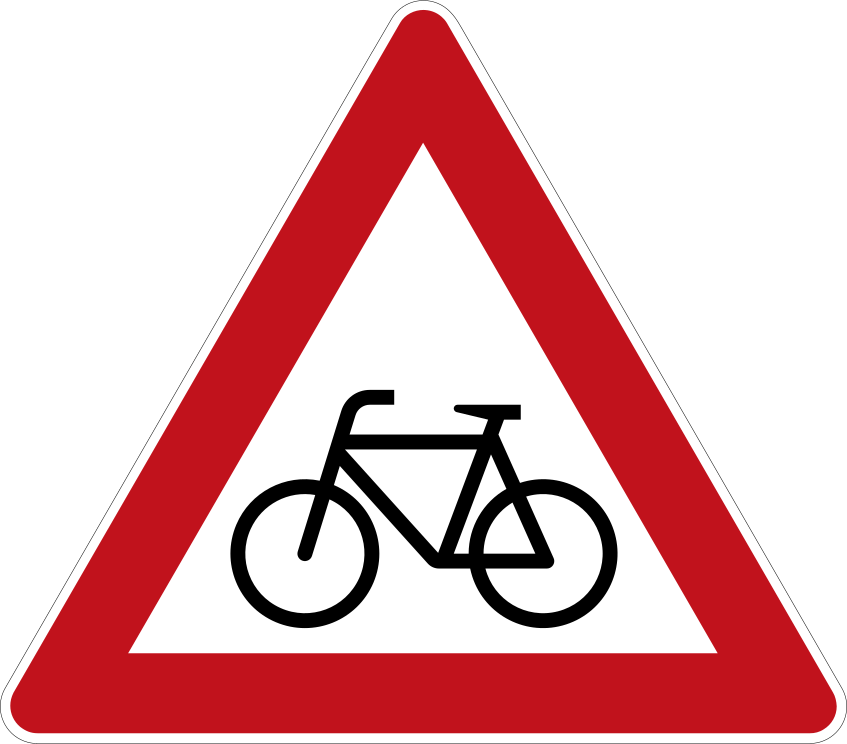
Motorcyclists & E-Bikes
Growing number of e-bikes and motorcyclists, especially in urban areas and mountain roads. E-bike fatalities have increased significantly.
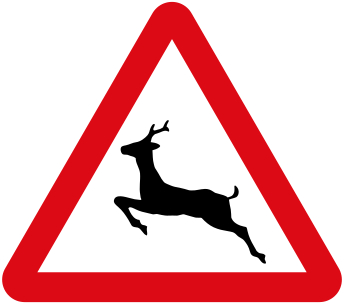
Wildlife Crossings
Deer, chamois, and other wildlife frequently cross rural and mountain roads, especially at dawn and dusk.
Rockfalls & Landslides
Mountain roads are susceptible to rockfalls, avalanches, and landslides, especially after heavy rain or snowmelt. Obey warning signs.
Switzerland's 26 Cantons
Driving licence administration is handled by the cantonal Strassenverkehrsamt in each canton
- 1ZurichZurichZH1.6M
- 2BernBernBE1.0M
- 3LucerneLucerneLU0.4M
- 4UriAltdorfUR37K
- 5SchwyzSchwyzSZ0.2M
- 6ObwaldenSarnenOW38K
- 7NidwaldenStansNW44K
- 8GlarusGlarusGL41K
- 9ZugZugZG0.1M
- 10FribourgFribourgFR0.3M
- 11SolothurnSolothurnSO0.3M
- 12Basel-StadtBaselBS0.2M
- 13Basel-LandschaftLiestalBL0.3M
- 14SchaffhausenSchaffhausenSH83K
- 15Appenzell ARHerisauAR55K
- 16Appenzell IRAppenzellAI16K
- 17St. GallenSt. GallenSG0.5M
- 18GraubündenChurGR0.2M
- 19AargauAarauAG0.7M
- 20ThurgauFrauenfeldTG0.3M
- 21TicinoBellinzonaTI0.4M
- 22VaudLausanneVD0.8M
- 23ValaisSionVS0.3M
- 24NeuchâtelNeuchâtelNE0.2M
- 25GenevaGenevaGE0.5M
- 26JuraDelémontJU74K
While driving laws are federal (SVG/VRV), licence issuance and test administration are handled by each canton's Strassenverkehrsamt. Fees and procedures vary by canton.
Myth: Winter tyres are mandatory in Switzerland
Fact: Unlike Germany or Austria, Switzerland has NO legal requirement for winter tyres. However, if you cause an accident or obstruct traffic due to unsuitable tyres, you face significant liability, fines, and insurance reductions. Police can also prohibit you from continuing your journey. In practice, winter tyres are essential.
Myth: Switzerland uses a penalty points system like Germany
Fact: Switzerland uses a cascading sanctions system with escalating licence withdrawal periods for repeat offences, NOT a points system. Each violation is recorded in the ADMAS register, and the severity and recency of past offences determine penalties for future violations.
Myth: You can buy the motorway vignette at the border and apply it on the motorway
Fact: You must have a valid vignette BEFORE entering the motorway. Since August 2023, an e-vignette option is available (linked to your licence plate), so you can purchase it online in advance. The physical vignette must be affixed to the windshield before use. Fine: CHF 200 + vignette cost.
Myth: The speed limit on Swiss motorways is just a recommendation
Fact: All Swiss speed limits are strictly enforced with fixed and mobile cameras. Switzerland has some of the harshest speeding penalties in Europe. Under Via Sicura, extreme speeding is a criminal offence carrying imprisonment. There is NEVER an advisory speed — all limits are mandatory.
Myth: Driving in Switzerland is similar to driving in neighbouring Germany or Austria
Fact: While Swiss roads are excellent, unique rules apply: PostBus priority on mountain roads, ascending vehicles have priority on narrow mountain roads, mandatory daytime running lights, a 3-year probationary licence system, and the Via Sicura extreme speeding criminal provisions — none of which exist in neighbouring countries.
Myth: You need a minimum number of driving lessons to take the practical test
Fact: Unlike Germany, Switzerland has NO mandatory minimum number of driving lessons. You can take the practical test whenever you feel ready. However, most candidates need 25–40 lessons, and the test is rigorous. Driving with a non-professional accompanier (family member, 23+ years old, 3+ years licence) is also allowed for practice.
E-vignette introduced
Since August 2023, motorists can purchase an electronic vignette (e-Vignette) linked to their licence plate number, in addition to the traditional windshield sticker. Available online and at border crossings. Price remains CHF 40/year.
Motorcycle reform & new regulations
Major reforms to motorcycle licencing: direct access to unlimited motorcycles (Category A) from age 20 with a practical test, simplified progression from A limited. New regulations for e-bikes and e-scooters introduced, including registration and insurance requirements for faster models.
Learner permit & probation reforms
Accompanied driving (L plate) permitted from age 17 (previously 18). Learner permit validity extended from 2 to 2 years with streamlined application process. WAB course structure updated.
Via Sicura adjustments
Some Via Sicura provisions adjusted: mandatory blood alcohol testing at all accidents was relaxed, alcohol interlock device programme piloted for repeat offenders, and extreme speeding thresholds maintained despite political debate about softening them.
Via Sicura road safety programme launched
Comprehensive federal road safety programme introducing: Raserdelikt (extreme speeding as criminal offence), mandatory 3-year probationary licence, 0.1 promille BAC for novice and professional drivers, and event data recorders for repeat offenders.
214 road deaths — down from 2024 peak
Switzerland recorded 214 road fatalities in 2025, down from the decade-worst 250 in 2024, though still above the 2019 low of 187.
How Switzerland Compares Globally
Switzerland's driving regulations compared to neighbouring countries — data compiled from official government sources
StrictestIn betweenMost lenientBAC limit and minimum age
| Parameter | Switzerland | Switzerland | France |  Italy |  Austria |
|---|---|---|---|---|---|
| BAC Limit | 0.05% | 0.05% | 0.05% | 0.05% | 0.05% |
| Min. Age (Car) | 18 | 18 | 18 | 18 | 18 |
| Driving Side | Right | Right | Right | Right | Right |
| Motorway Speed | 120 km/h | No limit* | 130 km/h | 130 km/h | 130 km/h |
| Test Questions | 50 | 30 | 40 | 50 | 50 |
| Licence Cost | CHF 2–4K | €2–3.5K | €1.5–2K | €1–1.5K | €1.5–2.5K |
| Road Deaths/yr | 250 | 2,770 | 3,170 | 3,039 | 370 |
| Deaths/100K | ~2.8 | ~3.3 | ~4.7 | ~5.1 | ~4.1 |
BAC Limit
Switzerland: 0.05%Switzerland: 0.05%France: 0.05%Italy: 0.05%Austria: 0.05%Min. Age (Car)
Switzerland: 18Switzerland: 18France: 18Italy: 18Austria: 18Driving Side
Switzerland: RightSwitzerland: RightFrance: RightItaly: RightAustria: RightMotorway Speed
Switzerland: 120 km/hSwitzerland: No limit*France: 130 km/hItaly: 130 km/hAustria: 130 km/hTest Questions
Switzerland: 50Switzerland: 30France: 40Italy: 50Austria: 50Licence Cost
Switzerland: CHF 2–4KSwitzerland: €2–3.5KFrance: €1.5–2KItaly: €1–1.5KAustria: €1.5–2.5KRoad Deaths/yr
Switzerland: 250Switzerland: 2,770France: 3,170Italy: 3,039Austria: 370Deaths/100K
Switzerland: ~2.8Switzerland: ~3.3France: ~4.7Italy: ~5.1Austria: ~4.1
Switzerland
Same as Germany and France (0.05%). Austria is also 0.05%. Novice drivers: 0.01% in Switzerland vs 0.0% in Germany.
Same as Germany, France, Italy, and Austria. Accompanied driving from 17 in Switzerland and Germany.
Lower than Germany (no limit), France (130), and Italy (130). Austria is 130 km/h. All limits strictly enforced.
Among the most expensive globally. Germany €2,000–3,500, France €1,500–2,500, Italy €800–1,500.
~2.5 per 100K — among Europe's safest. Germany 3.3, France 4.5, Italy 4.7, Austria 3.4 per 100K.
Road deaths: Switzerland 214 (BFS 2025), Germany 2,770 (Destatis 2024), France 3,170 (ONISR 2023), Italy 2,783 (ISTAT 2023), Austria 370 (BMK 2023). BAC limits: all 0.05% general. Motorway speeds: CH 120, DE no limit (130 advisory), FR 130, IT 130, AT 130 km/h.
Primary Sources
Verification Methodology
Every fact on this page has been cross-referenced against at least two authoritative sources. Our process:
- 1Primary data collected from official Swiss federal legislation and government portals
- 2Cross-verified against BFS/ASTRA publications, TCS resources, and cantonal data
- 3Regional variations noted where applicable (fees differ by canton)
- 4Page reviewed and fact-checked on April 12, 2026
If you find an error, please contact us so we can correct it immediately.
Frequently Asked Questions
How much does a driving licence cost in Switzerland?
The total cost for a Category B (car) licence is typically CHF 2,000–CHF 4,000, with an average of ~CHF 3,000. This includes: Nothelferkurs CHF 100–200, eye test CHF 10–20, learner permit CHF 60–120, theory test CHF 30–45, VKU (traffic theory course, 8 hrs) CHF 150–250, driving lessons CHF 80–120 per 45 min (25–40 lessons typical), practical test CHF 120–140, WAB course CHF 350–500, and licence issuance CHF 50–80. Costs vary significantly by canton.
What is the Swiss theory test format?
The theory test for Category B has 50 multiple-choice questions to be completed in 45 minutes. Each question has up to 3 correct answers — you earn 1 point per correct sub-answer, for a maximum of 150 points. You need at least 135 points (90%) to pass. The test costs CHF 30–45 depending on the canton and is available in German, French, Italian, and English.
What is the motorway vignette and do I need one?
Yes, a vignette is required for all motorways (Autobahnen) and expressways (Autostrassen) in Switzerland. It costs CHF 40 per year and is valid from 1 December to 31 January of the following year (14 months). Since August 2023, an electronic e-vignette linked to your licence plate is available. Driving without a valid vignette costs CHF 200 plus the vignette price.
What is the BAC (blood alcohol) limit in Switzerland?
General limit: 0.5 promille (0.05% BAC). Novice drivers during the 3-year probationary period: 0.1 promille (effectively zero). Professional and commercial drivers: 0.1 promille. The criminal threshold is 0.8 promille, which triggers automatic licence withdrawal and criminal proceedings.
What is the probationary licence (Führerausweis auf Probe)?
After passing the practical test, new drivers receive a 3-year probationary licence. During this period: 0.1 promille BAC limit, the WAB further education course (1 day, 7 hours) must be completed within 12 months, and one serious violation leads to licence revocation for at least 1 year. After 3 years without serious violations and with the WAB course completed, the licence is automatically converted to a permanent one.
What is Via Sicura and how does it affect me?
Via Sicura is Switzerland's comprehensive road safety programme introduced in 2013. Key provisions: extreme speeding (Raserdelikt) is a criminal offence carrying 1–4 years imprisonment and minimum 1-year licence revocation (reduced from 2 years in the 2023 reform). Thresholds: +50 km/h in 50 km/h zones (+40 km/h in 30 km/h zones), +60 km/h rural, +80 km/h motorway. It also introduced mandatory 0.1 promille for novice drivers and event data recorders for repeat offenders.
What is the WAB course?
WAB (Weiterausbildung) is a mandatory further education course for new drivers during their 3-year probationary period. Since the 2020 reform, it is a single 7-hour day covering advanced driving skills, hazard awareness, and eco-driving. Cost: CHF 350–500. It must be completed within 12 months of receiving the probationary licence or your licence will NOT be converted to a permanent one.
Do I need winter tyres in Switzerland?
Winter tyres are NOT legally mandatory in Switzerland, unlike in Germany or Austria. However, if you cause an accident or obstruct traffic with unsuitable tyres in winter conditions, you face increased liability, potential insurance reductions, and fines. Police can prohibit you from continuing your journey. Winter tyres are strongly recommended from October to April, and many mountain passes require chains.
Who has priority on mountain roads?
On narrow mountain roads, the ascending vehicle has priority over the descending one. If one must reverse, the descending vehicle must back up to the nearest passing place. PostBuses (yellow, with three-tone horn) ALWAYS have absolute priority regardless of direction. Heavy vehicles have priority over light ones, and buses have priority over trucks.
Are there minimum driving lesson requirements?
No, Switzerland has NO mandatory minimum number of driving lessons, unlike Germany. You may take the practical test whenever you feel ready. However, the test is rigorous and most candidates need 25–40 professional lessons. You can also practise with a non-professional accompanier who is at least 23 years old and has held a licence for at least 3 years.
Can I convert my foreign driving licence to a Swiss one?
If you move to Switzerland, you can drive with your foreign licence for 12 months. After that, you must convert it. EU/EFTA licences can generally be exchanged directly. For other countries, you may need to pass a theory test, practical test, or both — depending on the bilateral agreement. Some countries (e.g., USA, Canada, Japan) have partial recognition agreements that vary by canton.
What equipment must I carry in my car in Switzerland?
A warning triangle (Pannendreieck) is mandatory and must be stored within reach of the driver (not in the boot). A reflective vest is recommended but not mandatory. Headlights must be on at all times (daytime running lights since 2014). Snow chains are required on certain mountain roads when indicated by signs.
What is the Nothelferkurs and is it mandatory?
The Nothelferkurs (emergency first response course) is mandatory before you can apply for a learner permit. It is a 10-hour course covering basic first aid, emergency response at accident scenes, CPR, and how to secure an accident site. Cost: CHF 100–200. The certificate is valid for 6 years. You must complete it before applying for the learner permit.
How does Switzerland's road safety compare to other countries?
Switzerland is among Europe's safest countries for road travel with ~2.5 deaths per 100,000 population. The 2025 figure of 214 deaths was down from the 2024 peak of 250 but still above 2019 (187). Compared globally: USA 12.9/100K, Germany 3.3/100K, UK 2.6/100K, Austria 3.4/100K. Switzerland's strict enforcement and comprehensive training contribute to its safety record.
What currency are Swiss driving fees paid in?
All driving-related fees in Switzerland are paid in Swiss Francs (CHF). Switzerland is NOT part of the EU or Eurozone. While some border regions accept Euros, official fees (theory test, practical test, licence application) must be paid in CHF. Current costs: theory test CHF 30–45, practical test CHF 120–140, learner permit CHF 60–120.
Cite This Page
Use the following citations when referencing this article in academic papers, journalism, or reports.
APA 7th Edition
AutoviaTest. (2026). Switzerland Driving Licence Facts 2026. AutoviaTest. https://autoviatest.com/en/driving-test/switzerland/facts
MLA 9th Edition
AutoviaTest. "Switzerland Driving Licence Facts 2026." AutoviaTest, 2026, autoviatest.com/en/driving-test/switzerland/facts.
Chicago 17th Edition
AutoviaTest. "Switzerland Driving Licence Facts 2026." AutoviaTest. Accessed 2026. https://autoviatest.com/en/driving-test/switzerland/facts.
Ready to Pass Your Swiss Theory Test?
Practice with official-style Theorieprüfung questions and detailed explanations. Available in German, French, Italian, and English.
More Country Driving Guides
 India Driving Licence FactsRTO theory test, Indian driving licence guide, fees, rules, and state-wise RTOs.Germany Driving Licence Facts & GuideTÜV/DEKRA test format, Fahrschule costs, Autobahn rules, speed limits, traffic fines, and the Flensburg points system.
 Spain Driving Licence 2026 — The Complete GuideDGT theory test, autoescuela costs, speed limits, traffic fines, and the permiso por puntos system.French Driving Licence 2026 — The Complete GuideCode de la route, auto-école costs, speed limits, traffic fines, and the permis à points system.
 Poland Driving Licence FactsWORD theory test, Polish driving licence guide, fees, and rules.
 Netherlands Driving Licence FactsCBR theory test, Dutch driving licence guide, fees, and rules.
 Romania Driving Licence FactsDRPCIV theory test, Romanian driving licence guide, fees, and rules.
 Turkey Driving Licence FactsMEB theory test, Turkish driving licence guide, fees, and rules.