
 Practice test
Japan driving test Pass first time
Prepare for the National Police Agency (Prefectural Public Safety Commissions) driving theory test with realistic practice questions. 95 questions, 90/100 needed to pass.
- 95
- 90/100 pts
- 50
Trusted by learners in 68 countries across 6 continents
What is the general speed limit on roads in Japan where no speed limit sign is posted?
Test your knowledge with sample questions from the official exam. No signup required.
Based on AutoviaTest's global analysis, the driving licence system in Japan ranks as more demanding than most systems in the world — with a Driving Test Index score of 77/100.
Its 90% theory pass mark ranks #10 out of 65 countries analysed worldwide.
The 0.03% BAC alcohol limit ranks #25 of 68 for strictness.
About the NPA theory test
The official driving theory test in Japan is administered by National Police Agency (Prefectural Public Safety Commissions). Here's what you need to know.
Driving rules in Japan
Key rules and regulations you need to know for your theory test.
Speed limits
Driving information
Important rules
- Drive on the LEFT side of the road
- No right turn on red (except where specifically marked)
- Headlights required in tunnels
- Seat belts mandatory for all passengers
- Strict alcohol limit (0.03% BAC — near-zero tolerance)
Ready to pass your Japan driving test?
Start practicing for free today and pass your theory test first time.
Road signs
Learn all the road signs you need to know
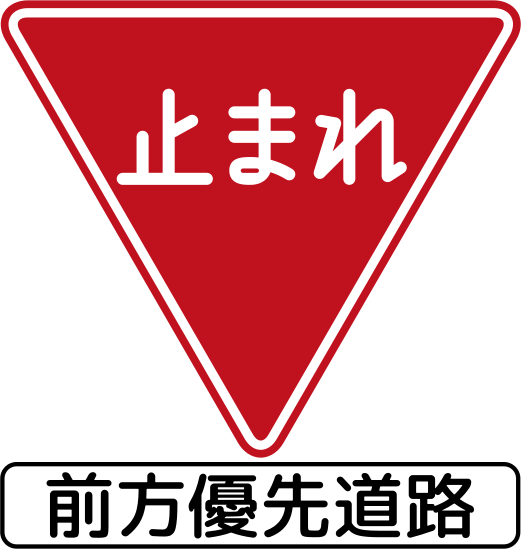 Stop priority road 330 2
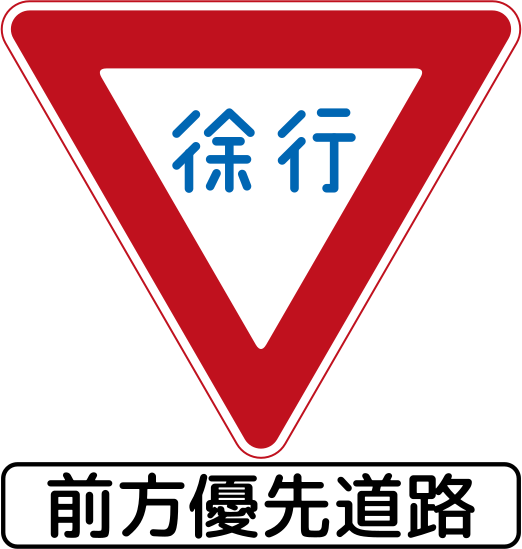 Slow yield 329 2
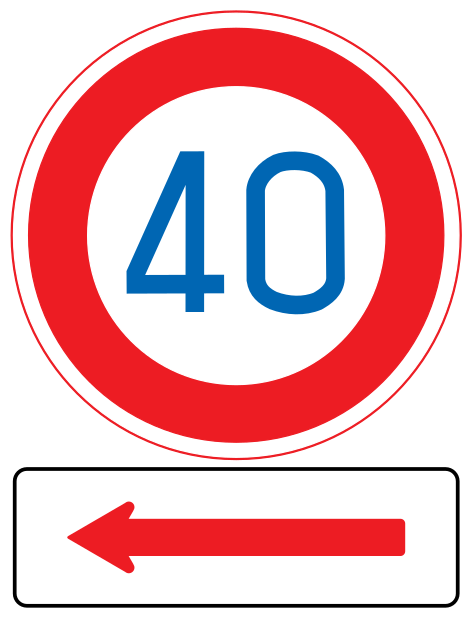 Speed limit 40 direction left
 Roundabout 327 10
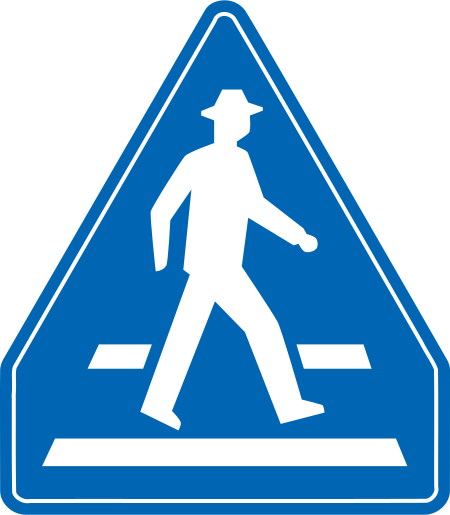 Pedestrian crossing a
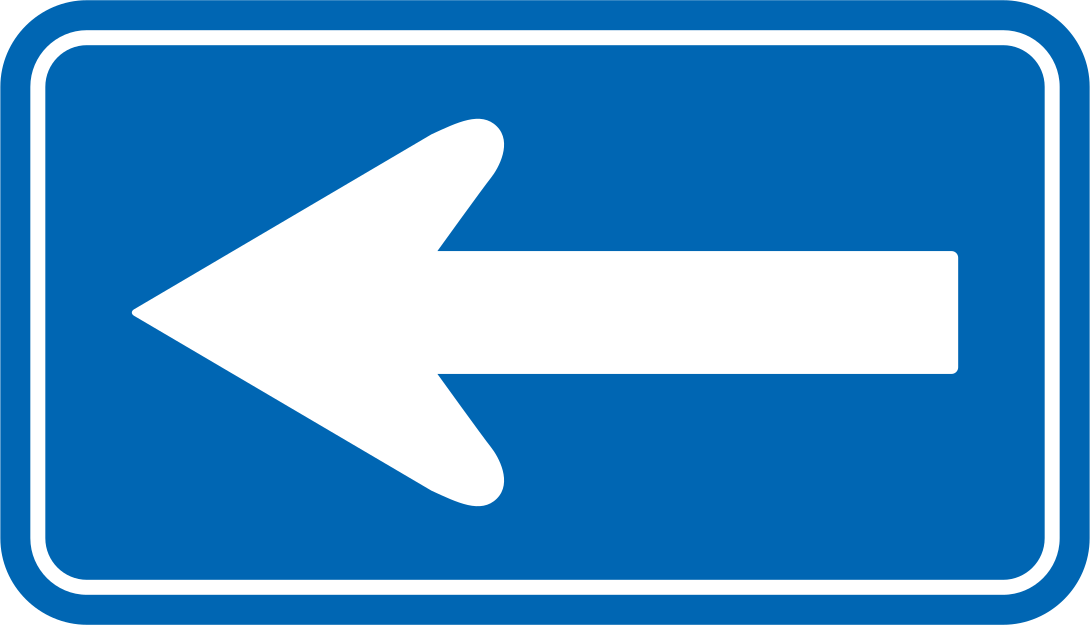 One way left 326 a l
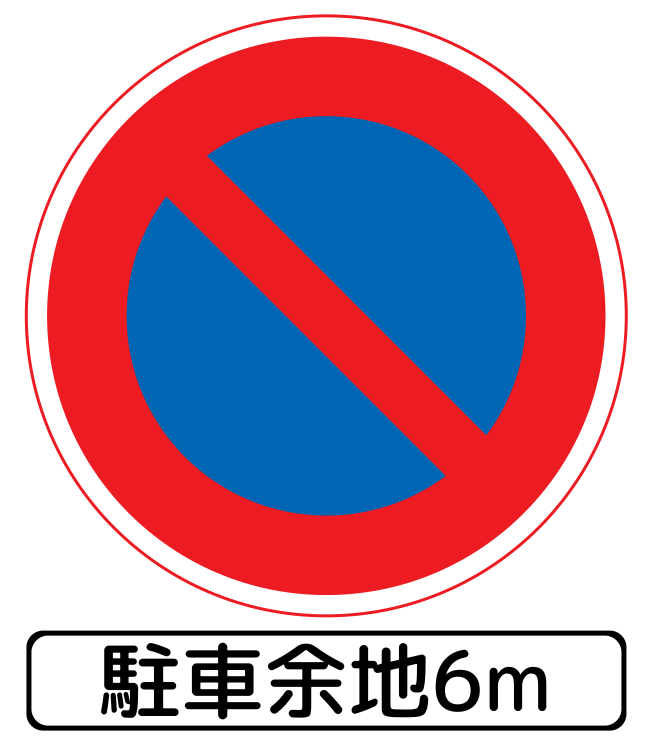 No parking 6m exemption
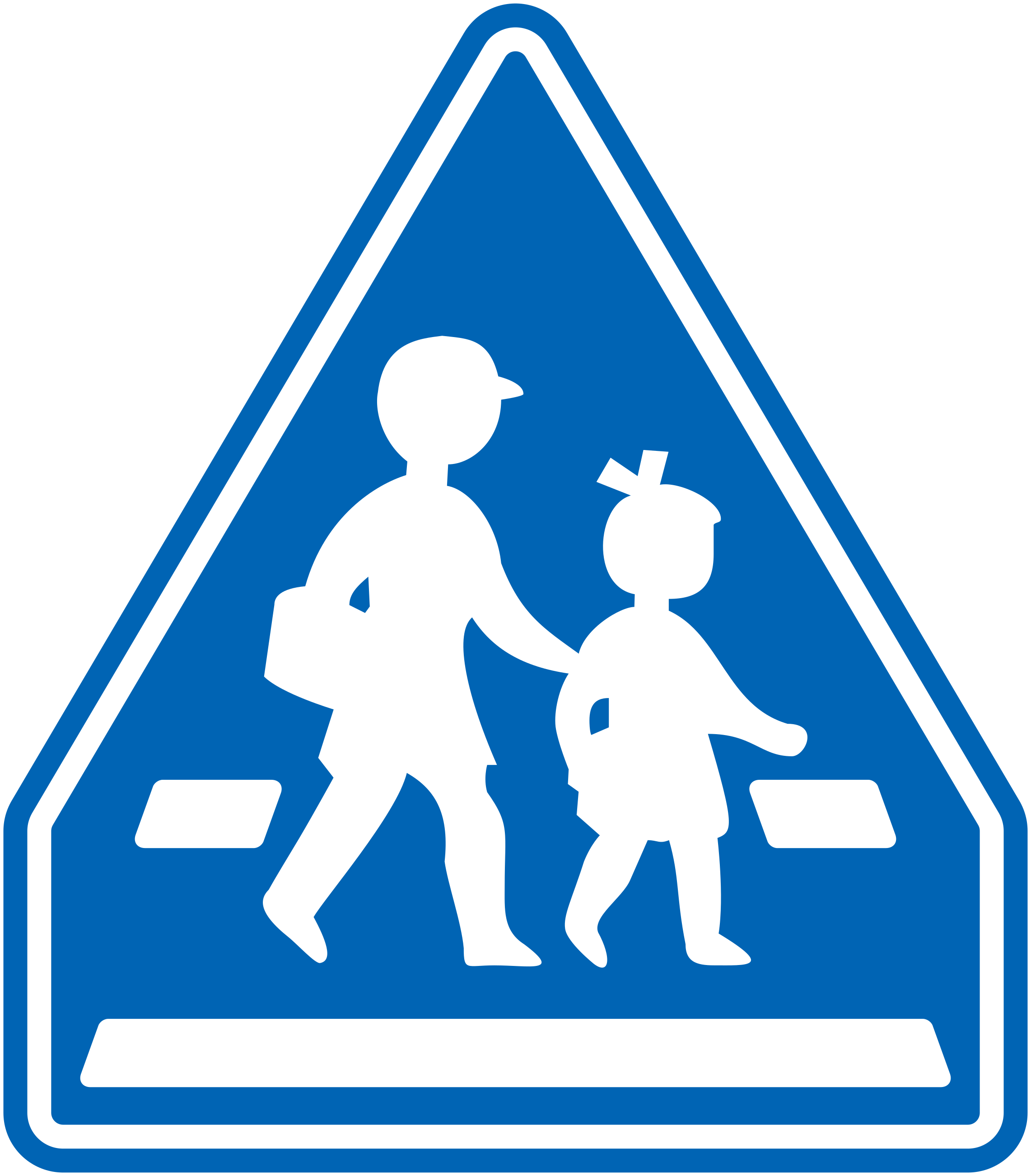 School crossing ahead 407 b
Driving lessons that actually teach you
Not just theory. Step-by-step lessons that show you exactly what to do in real driving situations.
How it works
One free account, and everything adapts to the exam you'll actually sit.
Get started freeFree to start — your first tests, lessons and scenarios cost nothing.
Your country's exam
Tests, lessons and rules switch to your country's official exam — in English or your own language. 68 countries covered.
Practise the real exam
2,200+ practice tests with 50,000+ questions in the official format, each answer explained with the rule behind it.
Explanations when you're stuck
Every answer comes with the rule behind it, so you know exactly what to practise next.
Learn the safety essentials
Short lessons on emergency situations, stopping distances and seatbelts — knowledge you keep long after the test.
Build driving confidence
Six focused modules take you from reading your car's dashboard to staying calm on test day, including your first solo drives.
Plus progress tracking, certificates and more — new countries and features ship regularly.
Ready to pass your Japan driving test?
Start practicing for free today and pass your theory test first time.
Free to start · Premium from ¥1,480/month
Frequently asked questions
How many questions are on the Japan driving test?
The NPA driving theory test has 95 questions. You need 90/100 to pass.
How long is the NPA theory test?
You have 50 minutes to complete the NPA driving theory test.
What is the pass mark for the Japan driving test?
You need 90/100 to pass the NPA theory test (95 questions).
How much does the NPA test cost?
The NPA driving theory test costs approximately 2,100 JPY (~$15).
Is AutoviaTest free to use?
Yes! You can start practicing for free. We offer both free and premium plans to suit your needs.