
Free
FreeAED 0
- 2 full mock tests
- Sample practice questions
- Road signs guide
 Practice test
Prepare for your UAE driving theory exam with realistic practice tests covering federal road rules, signs, and hazard awareness. Because licensing is run at the emirate level, exact question counts and pass marks depend on your emirate.
Trusted by 33,000+ learners worldwide · Aligned with UAE MOI & emirate traffic rules
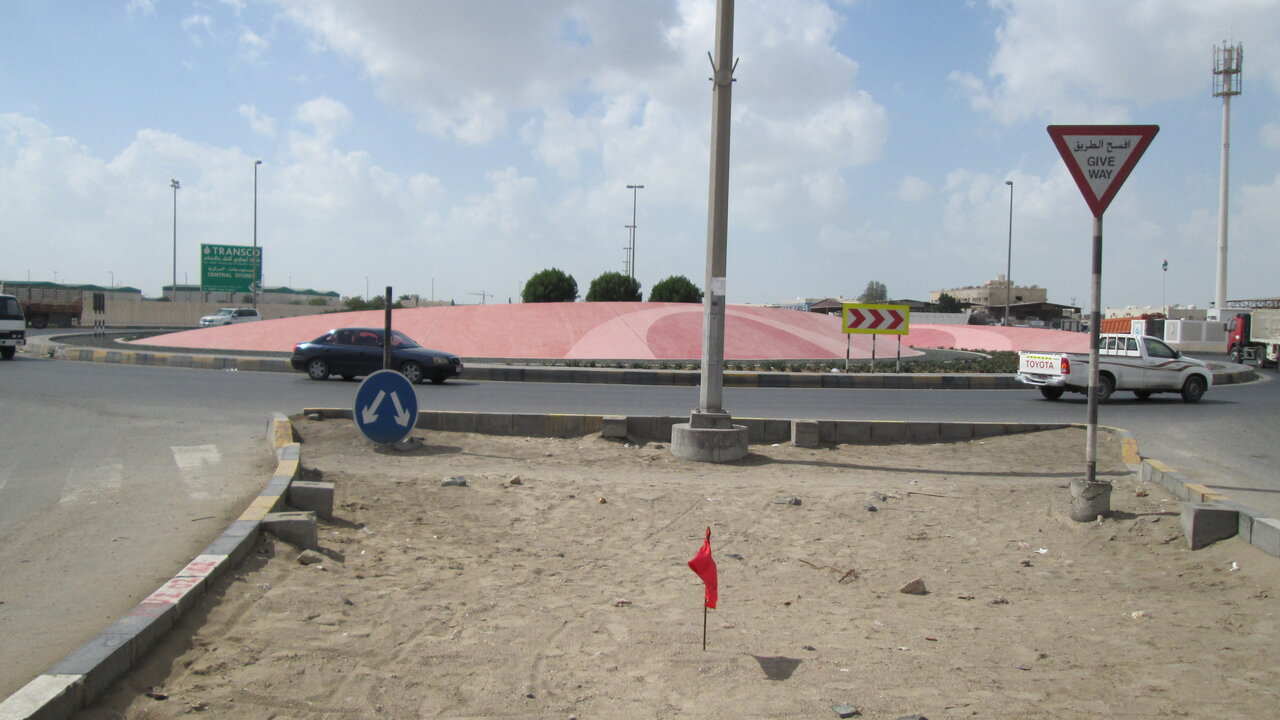
You are about to drive in at this entry. Who goes first?
Try 5 sample practice questions modeled on the MOI exam. No sign-up needed.
The driving test in the United Arab Emirates is a moderate system globally, scoring 63/100 on our Driving Test Index.
Its zero-tolerance alcohol limit ranks #12 of 68 for strictness.
The Ministry of Interior (MOI) oversees federal traffic law, while each emirate sets its own licensing workflow, fees (AED 800-1,200 typical range depending on emirate and institute), and theory exam format.
Key rules and regulations you need to know for your theory test.
Ready to practice for your UAE driving theory test?
Start free today with 2 full mock tests, UAE road-sign drills, and clear explanations of federal traffic rules.
The exam stats on this page apply to standard passenger car licensing in United Arab Emirates. Minimum ages and test rules for motorcycles, commercial trucks, or buses differ by class, so check our license-types guide or confirm directly with your local licensing authority.
United Arab Emirates does not use a single comparable pass-mark percentage, so below are its verified alcohol, age, and highway benchmarks alongside peers in the Middle East.
The UAE sets knowledge test question counts and pass marks per emirate (for example 30/40 in Dubai and 18/25 in Sharjah).
| Country | Exam format | Pass bar |
|---|---|---|
| Kuwait | 20 Qs · 18/20 | 90% |
| Israel | 30 Qs · 26/30 | 86.7% |
| Saudi Arabia | 20 Qs · 17/20 | 85% |
| Oman | 30 Qs · 24/30 | 80% |
Learn all the road signs you need to know
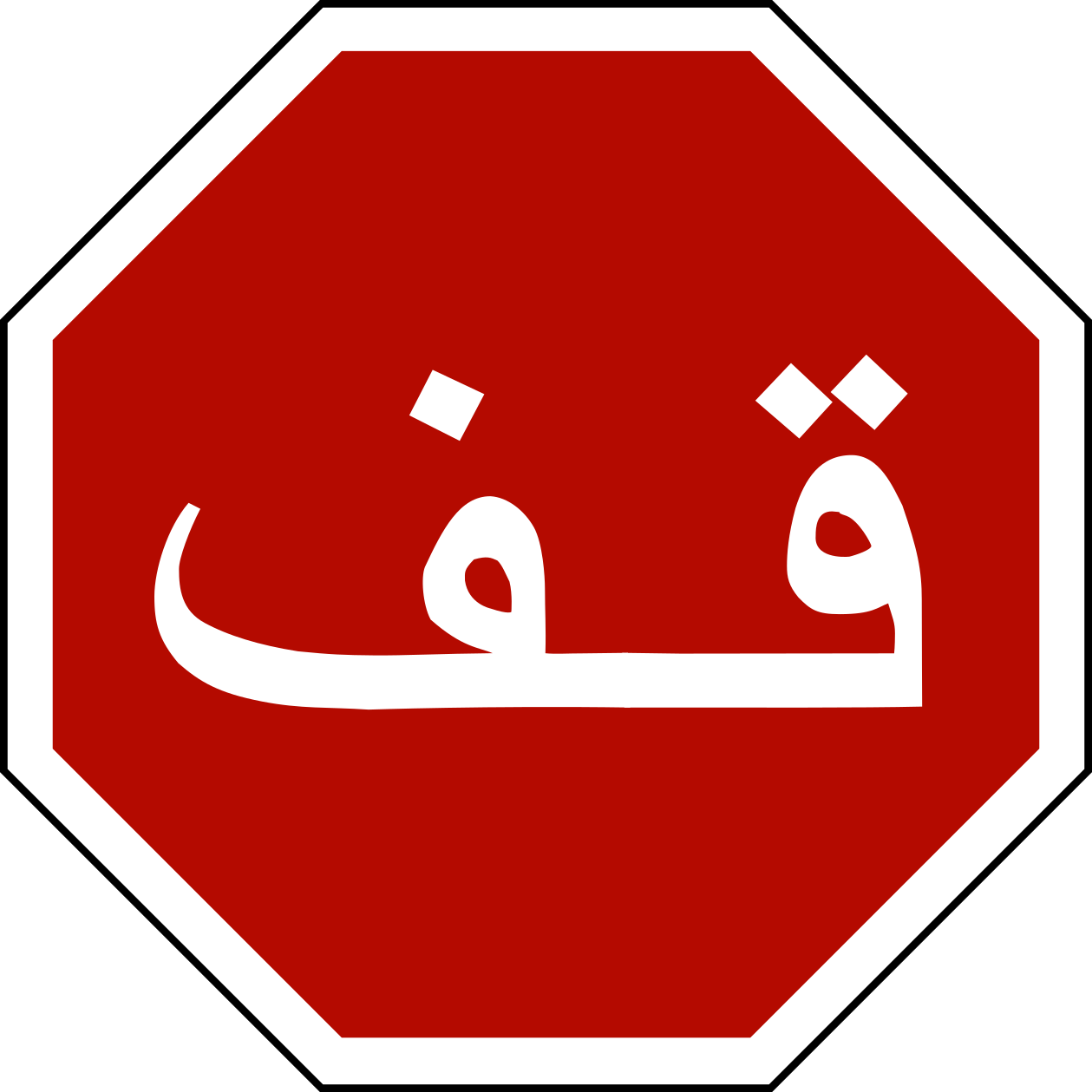 Stop arabic
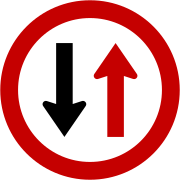 Give way to oncoming traffic
 No entry
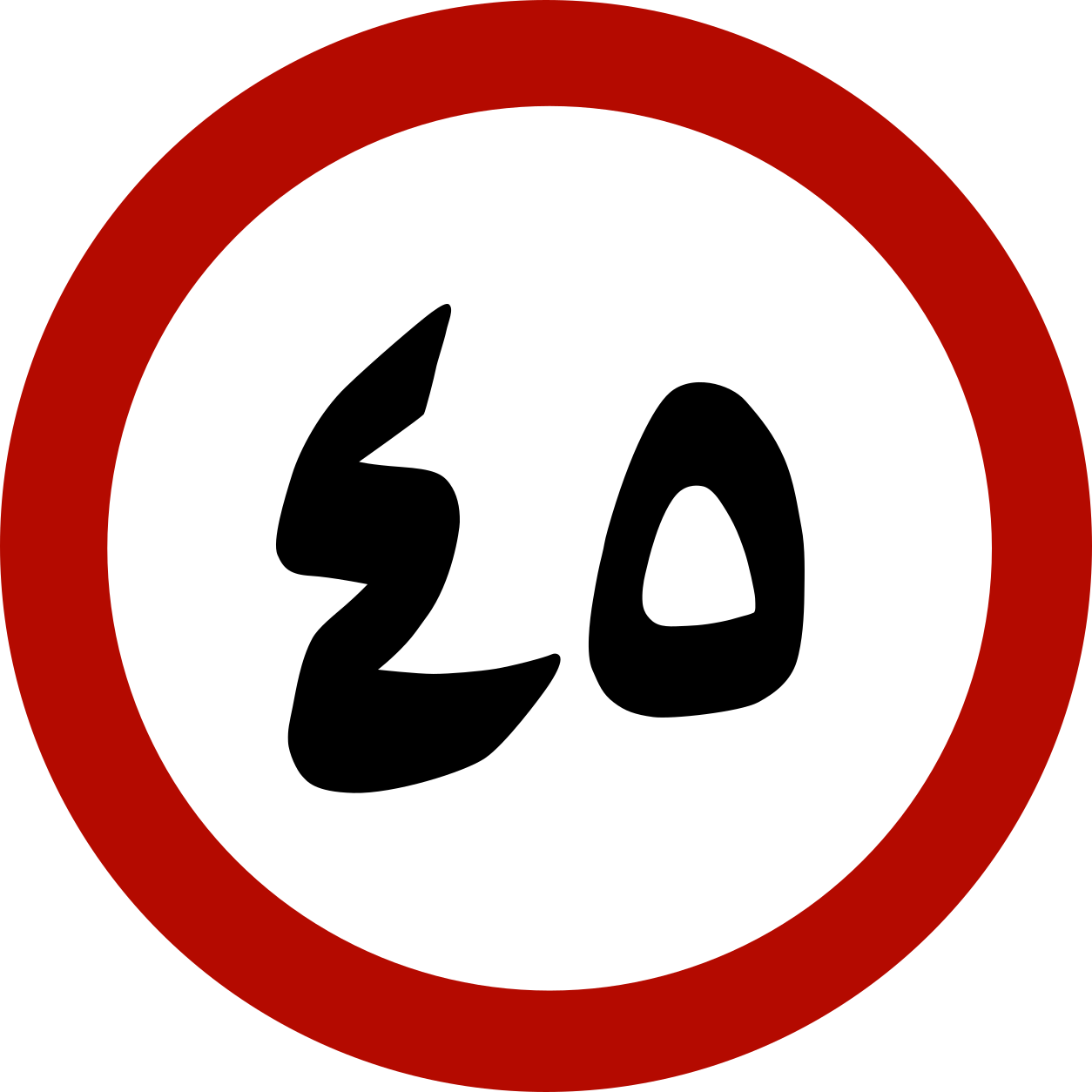 Maximum speed 45
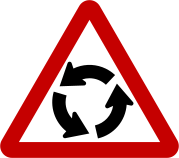 Roundabout ahead
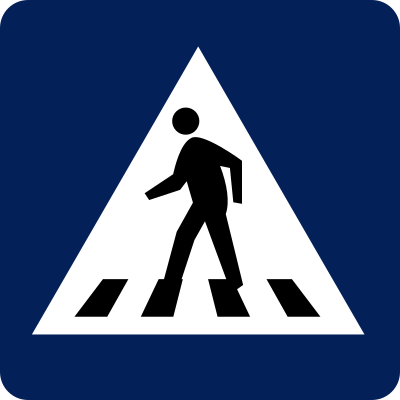 Pedestrian crossing
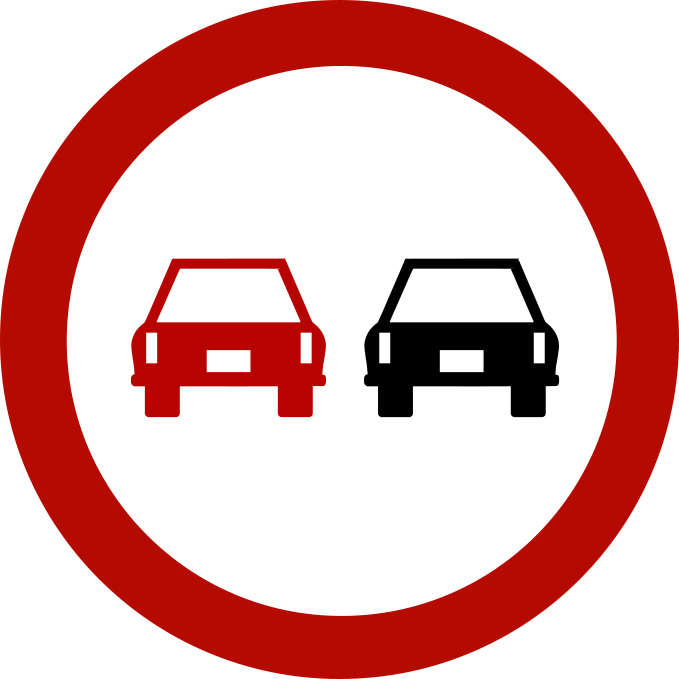 No overtaking
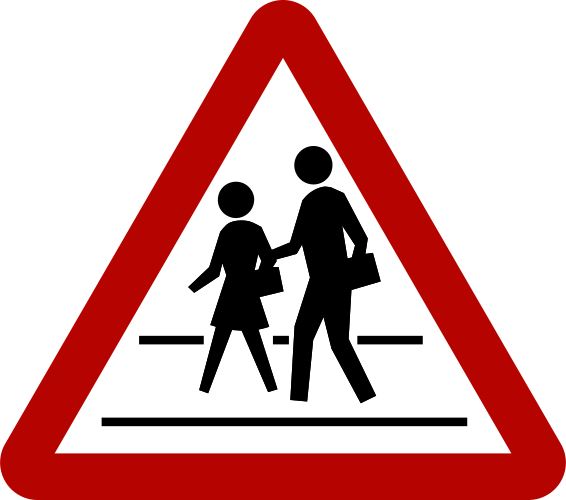 School zone
Step-by-step guides that show you what to do at tricky junctions, roundabouts and crossings.
Pick your country to get mock exams, road signs, and rules matched to your local driving authority.
Get started freeStart free: your first 2 mock tests and starter lessons cost nothing.
Mock exams, road signs, and traffic rules match your country's official syllabus.
Timed mock tests built around your country's syllabus, so nothing surprises you on test day.
See which topics cost you points, so you know exactly what to review next.
Short guides on stopping distances, night driving and emergencies: knowledge you keep long after the test.
Short, practical guides for everything outside the rulebook, from dashboard lights to test-day nerves.
Includes progress tracking and a readiness certificate once you're consistently passing.
Start free with local mock exams, and upgrade only if you need unlimited practice.
Start free today with 2 full mock tests, UAE road-sign drills, and clear explanations of federal traffic rules.
Free to start · Premium from AED 36.99/month
No. The UAE has no single nationwide theory test count or pass mark because each emirate runs its own licensing exams. For example, Dubai RTA tests 40 questions (30/40 to pass), while Sharjah Driving Institute describes 25 questions (18/25 in 20 minutes).
The minimum age for a private car license is 18 (17 for motorcycles, and Dubai allows opening a light-vehicle traffic file at 17.5). You typically need your Emirates ID, passport, eye test certificate, and passport photo at a registered driving institute.
Official licensing and test fees typically range from AED 800-1,200 depending on the emirate (separate from driving school training packages). Initial driving licenses are valid for 2 years, with 10-year renewal validity for UAE citizens.
You select your preferred exam language when booking through your emirate authority or driving institute. Arabic, English, and Urdu are widely supported, with additional languages offered at major centers such as Dubai RTA.
Key topics include right-hand driving, mandatory seat belts for all occupants, 0.0% zero tolerance for alcohol, strict prohibition on handheld mobile phones, and default speed limits (typically 60 km/h urban, 100 km/h rural, and up to 140 km/h on designated highways).