
 Complete guide 2026Updated April 2026
Norwegian Driving Licence 2026 The Complete Guide
Everything you need to know about getting your førerkort in Norway — theory test (45 MCQ, 84% pass mark), total cost (NOK 25,000–50,000), 0.02% BAC limit, speed limits, traffic fines, winter driving rules, and the mandatory trafikalt grunnkurs.
Table of Contents
Norway Driving Test Explained — Theory, Cost & Pass Rate 2026
A 2-minute walkthrough of Norway's rigorous driving licence system — run by Statens vegvesen, one of the most expensive and most structured programs in the world.
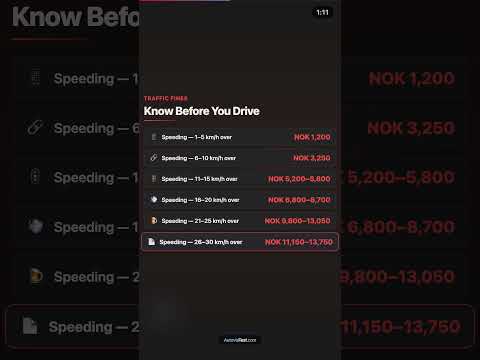 Video Guide · 2 min
Key Takeaways
- Norway's theory test has 45 questions and you can make up to 7 mistakes — available in Norwegian, English, and Urdu.
- Total cost runs NOK 30,000–45,000 (roughly €2,600–€3,900) — one of the most expensive driving licences on earth.
- The mandatory Trafikalt grunnkurs (basic traffic course) must be completed before any practical driving lessons.
- Speed limits are 50 km/h urban, 80 rural, 90–110 motorway — Norway's roads are strict about enforcement.
- Alcohol limit is just 0.02% BAC — effectively zero tolerance, one of the strictest in Europe.
- Minimum age is 18 for a Class B licence, but Trafikalt grunnkurs can be started at 15.
- The Føreropplæring program has 4 mandatory stages including a long-distance course and skidpan training.
Read full transcript
Norway's driving licence system, run by Statens vegvesen, is one of the most rigorous and most expensive in the world. The Føreropplæring program has 4 mandatory stages that take most students 6 to 12 months to complete. Here's the 2-minute breakdown.
0:06 Theory Test Format. Norway's theory test (teoriprøve) has 45 multiple-choice questions, and you can make up to 7 mistakes to pass. It's available in Norwegian, English, and Urdu. The questions cover road rules, Norwegian-specific conditions, and hazards like winter driving and wildlife crossings.
0:20 Cost of a Norwegian Licence. Total cost runs NOK 30,000 to 45,000 — roughly €2,600 to €3,900 — making it one of the most expensive driving licences on earth. That covers the mandatory Trafikalt grunnkurs (basic traffic course), theory and practical lessons, a long-distance driving course, a skidpan (slippery road) course, and Statens vegvesen exam fees.
0:35 Norwegian Speed Limits. Speed limits are 50 km/h in urban areas, 80 km/h on rural roads, and 90 to 110 km/h on motorways. Norway enforces speed limits strictly with an extensive camera network and regular police patrols. Fines for speeding are among the highest in Europe.
0:47 Traffic Fines. Norway's fines are notoriously harsh. Speeding 16 to 20 km/h over the limit is NOK 5,650. Using a phone while driving is NOK 10,200 and 3 licence points. Not wearing a seatbelt is NOK 2,050. Drink-driving above 0.02% BAC — essentially zero tolerance — triggers immediate licence suspension and fines calculated at 1.5 times monthly salary for repeat offenders.
1:02 Key Road Rules. Norway drives on the right. Headlights must be on 24 hours a day, year-round. Winter tyres are legally required from November to Easter in northern Norway, and studded tyres are permitted. Dipped beam is mandatory even in daylight.
1:14 Step-by-Step Licence Process. The Føreropplæring program has 4 stages: stage 1 is the Trafikalt grunnkurs basic traffic course (17 hours), stage 2 is basic vehicle skills, stage 3 is advanced traffic skills, and stage 4 is the final course including long-distance driving and skidpan practice. Theory exam and practical exam are both with Statens vegvesen.
1:29 Emergency Numbers. Norway uses 112 for police, 113 for medical emergencies, and 110 for fire. All are free and answered in Norwegian and English. Road assistance and breakdown help is separate and varies by provider.
1:37 Driving Myths vs Facts. Myth: Norway's test is expensive but straightforward. Fact: pass rates are around 55% first attempt due to strict examiners and the 4-stage curriculum. Myth: any EU licence is valid forever. Fact: EU licences can be exchanged without testing, but non-EU licences must restart the full Føreropplæring program if you become a resident.
Practice the full Statens vegvesen question bank for free on AutoviaTest to prepare for your Norwegian theory exam.
Theory Test
45 multiple-choice questions, 90 minutes, 84% pass mark (38/45 correct answers).
Fee: NOK 480. Computer-based at Statens vegvesen test centres. Available in Norwegian (Bokmål/Nynorsk), English, Arabic, Northern Sami, Kurdish, and Turkish. Dictionary permitted. Covers traffic rules, road signs, speed limits, first aid, and environmental driving.
Total Cost
NOK 25,000–50,000 (~$2,300–4,600 USD) total: driving school tuition NOK 20,000–45,000 (varies by school and region), mandatory trafikalt grunnkurs (~NOK 3,500), theory test NOK 480, practical driving test NOK 1,540, licence issuance NOK 270, photo NOK 100.
Oslo is typically the most expensive region.
Road Deaths
111 fatalities in 2025 (~2.0 per 100K, pop. ~5.5M) — an increase from 87 in 2024 (a record low) but still among the safest in the world.
Norway's Vision Zero policy, strict enforcement, and high-quality infrastructure continue to keep road deaths low.
BAC Limit
0.02% BAC (0.2 per mille) — one of the strictest in Europe.
Novice drivers (<2 years) and professional drivers: zero tolerance. Penalties: 0.2–0.5‰ = fine (typically 1.5× monthly salary) + possible suspension. 0.5–0.8‰ = fine + 12–18 month licence loss. >0.8‰ = court case, possible imprisonment. >1.2‰ = unconditional imprisonment.
Penalty Points
Norway uses a demerit point system (prikksystem): 8 points in 3 years = 6-month licence suspension.
Points per offence: phone use 3 pts, red light 3 pts, speeding 16–20 km/h over 2 pts, speeding 21+ km/h over 3 pts. Points are recorded on your driving record and reset after 3 years from each offence.
Global Context
Death rate ~2.0/100K vs Sweden ~2.0, Germany ~3.4, UK 2.5, USA 12.2.
Drives on the right. 0.02% BAC (strictest tier in Europe alongside Sweden). 900+ road tunnels (most in the world per capita). AutoPASS electronic toll with 400+ toll points. Mandatory winter driving training and dark-driving sessions.
Norway Road Safety: 6-Year Trend (2019–2024)
According to Statistisk sentralbyrå (SSB) and Statens vegvesen, Norway recorded 111 deaths in 2025 — an increase from 87 in 2024, which had been the lowest figure on record. Road fatalities have fluctuated between 87 and 117 over the past six years. Norway consistently ranks among the safest countries in the world for road safety, alongside Sweden and Switzerland. The country's Vision Zero policy, strict enforcement, extensive use of speed cameras, and high-quality road infrastructure continue to drive long-term improvement.
Year-over-year changes
Deaths per 100,000 Population
 USA12.2
 Germany3.4
 UK2.5
 Sweden2.2
- Norway1.6
Source: SSB, Statens vegvesen, WHO Global Status Report on Road Safety, IRTAD. Per-capita rates are estimates and may vary by methodology.
Norway Theory Test Format
The theory test is administered by Statens vegvesen at official test centres
The Norwegian driving theory test (teoriprøve) consists of 45 multiple-choice questions to be completed within 90 minutes. To pass, you must answer at least 38 questions correctly (84% pass mark). The test fee is NOK 480. It is computer-based at Statens vegvesen test centres and available in Norwegian (Bokmål and Nynorsk), English, Arabic, Northern Sami, Kurdish, and Turkish. A dictionary is permitted. You can navigate back and forth between questions. Topics include traffic rules and regulations, road signs and signals, speed limits, right-of-way rules, first aid, environmental driving, and driving in different conditions (winter, tunnels, darkness). Extra time is available upon request.
Questions
Duration
Pass Mark
Test Fee
What the Theory Test Covers
- Traffic signals, road signs, and road markings
- Right-of-way rules and the høyreregel (right-hand priority)
- Speed limits by road type and conditions
- Parking and stopping regulations
- Pedestrian crossings and school zones
- Seatbelt and child restraint regulations
- Vehicle maintenance and safety equipment requirements
- Warning triangle and reflective vest requirements
- Winter tyre requirements and tread depth rules
- First aid and accident scene procedures
- Alcohol limits (0.02% BAC) and drug-driving laws
- Motorway and expressway driving rules
- Tunnel driving safety (900+ tunnels in Norway)
- Winter driving, darkness, and adverse weather
- Environmental driving and fuel economy (ECO driving)
How to Get Your Norwegian Driving Licence
From trafikalt grunnkurs to full licence — the complete step-by-step process
- 1
Complete Trafikalt Grunnkurs (Basic Traffic Course)
Mandatory first step — available from age 15
The trafikalt grunnkurs is a mandatory basic traffic course (17 hours for those under 25, reduced for 25+). It covers traffic rules, first aid, risk awareness, and driving in darkness. This must be completed at an approved driving school before you can begin practice driving. Cost: approximately NOK 3,000–4,500.
- 2
Practice Driving with Supervisor
Private practice driving from age 16 with an approved supervisor
From age 16, you can practice driving with a private supervisor (parent or guardian) who is at least 25 years old and has held a valid Category B licence for at least 5 years. No minimum hours required by law, but driving schools recommend extensive practice. Log your practice hours in a kjøreopplæringsbok (driving log).
- 3
Complete Mandatory Driving School Training
Professional driving instruction covering all mandatory stages
Mandatory stages include: basic vehicle operation, road driving in traffic, motorway driving, night/darkness driving session, and driving on slippery surfaces (sikkerhetskurs på bane). Driving schools typically recommend 20–40 hours of professional instruction depending on skill level. Cost: NOK 700–1,200 per lesson.
- 4
Pass the Theory Test
Take and pass the 45-question multiple-choice theory test
45 MCQ questions, 90 minutes, 84% pass mark (38/45). Fee: NOK 480. Computer-based at Statens vegvesen centres. Can be taken from age 17.5 (6 months before turning 18). Dictionary permitted. You can retake the test with no waiting period.
- 5
Complete Mandatory Safety Course on Track
Sikkerhetskurs på bane — mandatory practical safety training
This course is conducted at an approved training track and covers emergency braking, skid control, and driving on slippery surfaces. Typically takes one full day. Must be completed before the practical driving test. Cost included in driving school package or NOK 3,000–5,000 separately.
- 6
Pass the Practical Driving Test and Receive Licence
Pass the on-road practical test at a Statens vegvesen centre
Fee: NOK 1,540 (at DVLO) or NOK 1,490 (online booking). Approximately 65 minutes including vehicle check, urban and rural driving, and possible motorway section. The examiner evaluates all aspects of safe driving. Upon passing, pay the licence issuance fee (NOK 270 at DVLO / NOK 160 online) and receive your Norwegian driving licence.
Norwegian Driving Licence Fees
Total cost typically NOK 25,000–50,000 (~$2,300–4,600 USD) — driving school tuition is the largest expense
| Fee | Amount |
|---|---|
| Driving school tuition (varies by school and region) | NOK 20,000–45,000 |
| Trafikalt grunnkurs (mandatory basic traffic course) | NOK 3,000–4,500 |
| Theory test (teoriprøve) | NOK 480 |
| Practical driving test (førerprøve) | NOK 1,540 |
| Licence issuance (førerkort) | NOK 270 |
| Photo | NOK 100 |
| Safety course on track (sikkerhetskurs på bane) | NOK 3,000–5,000 |
| Additional lessons (per hour, if needed) | NOK 700–1,200 |
| Total Typical (Category B via driving school) | NOK 25,000–50,000 |
Costs vary by region and driving school. Oslo tends to be most expensive. Official Statens vegvesen fees are fixed (as of 1 Feb 2026): theory test NOK 480, practical test NOK 1,540 (DVLO) / NOK 1,490 (online), licence issuance NOK 270 (DVLO) / NOK 160 (online). Exchange rate: approximately $1 USD ≈ NOK 10.8. Total in USD: approximately $2,300–4,600.
See how ready you are — practice with real exam questions
Try Free QuestionsMinimum age by licence category
- Moped (Category AM)16 years — requires moped certificate16years
- Motorcycle (Category A) — all sizes24 years (direct access) or 20 (progressive from A2)24years
- Passenger Car (Category B) — up to 3.5t18 years — most common category18years
- Heavy Vehicle (Category C) — over 3.5t21 years (18 with vocational training)21years
Licence Validity
| Licence / age | Validity |
|---|---|
| Category B (standard car)Physical card valid for 15 years, driving rights valid until age 80 | 15 years |
| Category C/D (trucks/buses)Requires medical certificate at each renewal | 5 years |
| Holders aged 80+Requires health certificate from a doctor — medical exam mandatory | Up to 3 years |
Foreign Licence Conversion
- EU/EEA licence holders can drive freely in Norway — no conversion needed while licence is valid
- Non-EU/EEA licences from Vienna Convention countries: valid for 3 months (tourists) or until residency is established
- Non-Roman alphabet licences require IDP or official English translation
- Permanent residents must convert foreign licence within 1 year — some countries require retesting
- US and UK licence holders: conversion possible but may require practical test
Penalty Points System (Prikksystemet)
- Norway uses a penalty points system (prikker/prikksystemet) administered by Statens vegvesen
- Points accumulate per traffic offence — they remain for 3 years from each offence
- 8 points accumulated in 3 years = 6-month licence suspension
- Phone use while driving: 3 penalty points
- Running a red light: 3 penalty points
- Speeding 16–20 km/h over: 2 penalty points
- Speeding 21+ km/h over: 3 penalty points
- After suspension, licence can be reinstated but points continue to accumulate on new offences
Speed Limits in Norway
As per Vegtrafikkloven (Road Traffic Act) — all speeds in km/h
Norwegian speed limits are generally lower than in most European countries, reflecting the country's commitment to road safety and Vision Zero. Built-up areas default to 50 km/h (residential zones often 30 km/h). Rural roads are 80 km/h. Expressways range 90–100 km/h. The maximum motorway speed is 110 km/h on selected dual carriageways. Heavy vehicles (over 3.5 tonnes) and vehicles towing trailers are limited to 80 km/h regardless of posted limits. Average-speed enforcement (streknings-ATK) is widely used, especially in tunnels. Speed fines are among the highest in Europe — ranging from NOK 1,200 for 1–5 km/h over to NOK 15,850 for 31–35 km/h over, with court prosecution for higher speeds.
| Road Type | Cars | Heavy/Trailers | Note |
|---|---|---|---|
| Residential zones | 30 | 30 | 30 km/h common in residential areas |
| Built-up areas (urban) | 50 | 50 | Default within city/town limits |
| Rural roads | 80 | 80 | Default outside built-up areas |
| Expressways | 90–100 | 80 | Posted 90 or 100 km/h |
| Motorways (max) | 110 | 80 | Selected dual carriageways only |
Residential zones
Cars: 30Heavy/Trailers: 3030 km/h common in residential areas
Built-up areas (urban)
Cars: 50Heavy/Trailers: 50Default within city/town limits
Rural roads
Cars: 80Heavy/Trailers: 80Default outside built-up areas
Expressways
Cars: 90–100Heavy/Trailers: 80Posted 90 or 100 km/h
Motorways (max)
Cars: 110Heavy/Trailers: 80Selected dual carriageways only
Heavy vehicles (>3.5t) and vehicles towing trailers: max 80 km/h regardless of posted limit. Unbraked trailers: max 60 km/h. Average-speed cameras (streknings-ATK) operate in many tunnels and on high-risk stretches. Norway has some of the highest speeding fines in Europe — exceeding the limit by 36+ km/h (in zones ≥70 km/h) results in licence seizure and court prosecution. Always look for posted signs as local limits may differ.
Traffic Fines & Penalties
Fines, penalty points, and additional penalties for common violations in Norway
Norway has some of the highest traffic fines in Europe. Speeding fines are fixed-rate for lower offences but escalate to court prosecution for serious speeding. The penalty points system (prikksystemet) means 8 points in 3 years triggers a 6-month suspension. Fines are updated regularly — the amounts below reflect the March 2025 schedule. For severe offences (speeding 36+ km/h over in zones ≥70 km/h, or DUI >0.5‰), penalties include licence seizure, court proceedings, and potential imprisonment.
Up to NOK 2,000NOK 2,001–7,000Over NOK 7,000
| Violation | Fine (NOK) | Points | Other |
|---|---|---|---|
| Speeding — 1–5 km/h over | NOK 1,200 | 0 pt | — |
| Speeding — 6–10 km/h over | NOK 3,250 | 0 pt | — |
| Speeding — 11–15 km/h over | NOK 5,200–5,800 | 0 pt | — |
| Speeding — 16–20 km/h over | NOK 6,800–8,700 | 2 pt | — |
| Speeding — 21–25 km/h over | NOK 9,800–13,050 | 3 pt | — |
| Speeding — 26–30 km/h over | NOK 11,150–13,750 | 3 pt | — |
| Speeding — 31–35 km/h over | NOK 15,600–15,850 | 3 pt | Licence seizure |
| Running a red light | NOK 6,800 | 3 pt | — |
| Phone use while driving | NOK 10,750 | 3 pt | — |
| No seatbelt | NOK 1,500 | 0 pt | — |
| Parking violation (municipal) | NOK 660–900 | 0 pt | — |
| Illegal overtaking | NOK 6,800–10,750 | 3 pt | Licence seizure |
| DUI (0.2–0.5‰ BAC) | ~1.5× monthly salary | 0 pt | Licence loss 12–18mo |
| DUI (>0.5‰ BAC) | Court / imprisonment | 0 pt | Imprisonment |
- NOK 1,200—
Speeding — 1–5 km/h over
0 pt - NOK 3,250—
Speeding — 6–10 km/h over
0 pt - NOK 5,200–5,800—
Speeding — 11–15 km/h over
0 pt - NOK 6,800–8,700—
Speeding — 16–20 km/h over
2 pt - NOK 9,800–13,050—
Speeding — 21–25 km/h over
3 pt - NOK 11,150–13,750—
Speeding — 26–30 km/h over
3 pt - NOK 15,600–15,850Licence seizure
Speeding — 31–35 km/h over
3 pt - NOK 6,800—
Running a red light
3 pt - NOK 10,750—
Phone use while driving
3 pt - NOK 1,500—
No seatbelt
0 pt - NOK 660–900—
Parking violation (municipal)
0 pt - NOK 6,800–10,750Licence seizure
Illegal overtaking
3 pt - ~1.5× monthly salaryLicence loss 12–18mo
DUI (0.2–0.5‰ BAC)
0 pt - Court / imprisonmentImprisonment
DUI (>0.5‰ BAC)
0 pt
Speeding fines vary by speed zone — higher zones have lower fines at the same excess. 36+ km/h over (in zones ≥70): licence seizure + court prosecution with income-based penalties. DUI penalties: 0.2–0.5‰ = fine (typically 1.5× gross monthly salary) + possible conditional licence loss. 0.5–0.8‰ = fine + 12–18 month licence loss. >0.8‰ = court case, possible imprisonment + 2+ year licence loss. >1.2‰ = unconditional prison sentence. All fines as of March 2025 schedule (Forskrift om forenklet forelegg).
Know these rules before your theory test
Traffic fines, speed limits, BAC rules, and winter driving regulations are frequently tested in the teoriprøve. Practice with real exam-style questions.
How the road worksMandatory, with a penaltyMakes it easier
Drive on the Right
Norway drives on the right side of the road.
Overtake only on the left. At unmarked intersections, yield to vehicles coming from the right (høyreregel / right-hand priority rule). This is one of the most commonly tested topics.
BAC Limit 0.02% (0.2‰)
One of the strictest alcohol limits in Europe.
Novice drivers and professionals: zero tolerance. Penalties are income-based and escalate with BAC level. >0.5‰: licence loss 12–18 months. >0.8‰: court case and possible imprisonment. >1.2‰: unconditional imprisonment. Drug-driving has the same penalties.
AutoPASS Electronic Toll
Over 400 automated toll points nationwide — no manual booths.
AutoPASS tag gives 20% discount. Without tag: highest rate + invoice fees. Rush-hour surcharges in cities (Oslo, Bergen, Trondheim). Zero-emission vehicles pay up to 50% of standard rate with AutoPASS. Motorcycles are exempt.
Winter Tyres (Vinterdekk)
Winter tyres must match conditions from November 1 to first Sunday after Easter Monday.
Northern Norway (Nordland, Troms, Finnmark): October 16 to April 30. Minimum 3mm tread depth. Crashing without proper winter tyres: insurance can deny the entire claim. Studded tyres need city fees in Oslo, Bergen, Trondheim.
Mandatory Headlights
Dipped/low-beam headlights are mandatory at ALL times — day and night, year-round.
This has been Norwegian law since 1985. Right-hand-drive vehicles must use beam converters to avoid dazzling oncoming traffic.
Mandatory Equipment
All vehicles must carry a warning triangle and a reflective safety vest.
These must be deployed at any breakdown or accident scene. Third-party insurance (trafikkforsikring) is mandatory. Recommended: first aid kit, spare bulbs, tow rope.
Child Seat Rules
Children under 135 cm must use an approved child seat.
Children under 15 months must be rear-facing. Rear-facing seats in front of active airbags are forbidden. The driver is responsible for ensuring children under 15 are properly restrained.
Phone Use Prohibited
Handheld phone use while driving is strictly prohibited — even briefly holding the phone is illegal.
Only hands-free systems are permitted. Fine: NOK 10,750 + 3 penalty points. 8 penalty points in 3 years = 6-month licence suspension.
Digital Licence (Førerkort-appen)
Norway is a digital-first country — most drivers carry their licence on the official Førerkort app (by Statens vegvesen) instead of a physical card.
The app is legally valid as proof of your driving licence during police checks. Download from App Store or Google Play. Physical cards are still issued but increasingly rarely carried. Norway is among Europe's leaders in digital driving licence adoption.
Common Road Hazards in Norway
111 road fatalities in 2025 — know these hazards to stay safe on Norwegian roads
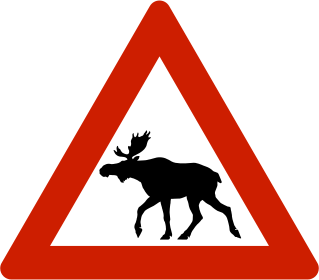
Moose & Reindeer (Elg og Rein)
Approximately 20,000 animal-vehicle collisions per year, including over 1,000 moose collisions. A fully-grown moose is as tall as a car — collisions are often fatal. High-risk periods: winter, dawn/dusk, full moon. Reindeer are common in northern Norway. If you hit an animal, report to police on 02800.
Winter Road Conditions
Norwegian winters bring ice, snow, and near-zero visibility. Roads may be snow-covered or icy for months. Black ice is particularly dangerous. Always use winter tyres, carry emergency supplies, and check road conditions on vegvesen.no or the Statens vegvesen app before driving.
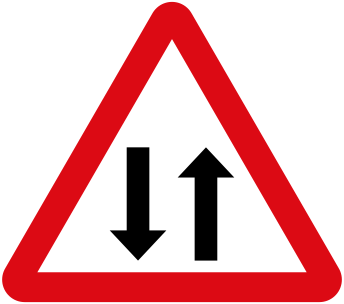
Tunnel Driving (900+ Tunnels)
Norway has over 900 road tunnels, many single-tube with two-way traffic. The longest is the Lærdal Tunnel at 24 km. Ice bumps form near tunnel entrances due to temperature differences. Reduced speed limits inside tunnels. Average-speed cameras are common. Use headlights (mandatory anyway).
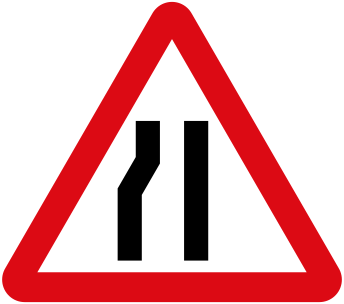
Mountain Roads & Steep Passes
Many Norwegian roads include steep mountain passes with hairpin bends, narrow sections, and no guardrails. Some roads have passing places for oncoming traffic. In winter, many mountain passes close entirely. Check road status at vegvesen.no before crossing mountain roads.
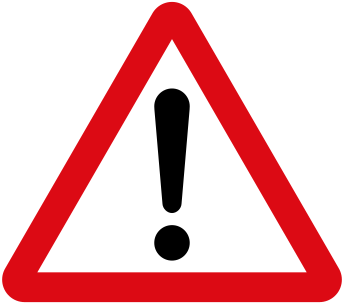
Darkness (Mørketid)
In northern Norway, polar night (mørketid) means no daylight for weeks in winter. Even southern Norway has very short daylight hours in winter. Mandatory headlights help, but reduced visibility increases risk. Wildlife collisions peak during darkness.
Aquaplaning & Wet Roads
Heavy rainfall, especially in western Norway, creates aquaplaning risk on highways. Standing water on roads is common during autumn storms. Reduce speed significantly in wet conditions. Norway's climate means rain is frequent across all seasons except deep winter.
Norway's 15 Counties (Fylker)
Driving test administration is handled by Statens vegvesen offices across all 15 counties
- 1OsloOslo717K
- 2AkershusLillestrøm723K
- 3ØstfoldSarpsborg327K
- 4BuskerudDrammen296K
- 5InnlandetHamar373K
- 6VestfoldTønsberg254K
- 7TelemarkSkien177K
- 8AgderKristiansand320K
- 9RogalandStavanger497K
- 10VestlandBergen649K
- 11Møre og RomsdalMolde268K
- 12TrøndelagSteinkjer479K
- 13NordlandBodø243K
- 14TromsTromsø169K
- 15FinnmarkVadsø77K
Norway reorganised from 11 back to 15 counties on 1 January 2024. Traffic rules are national — no regional variations. Statens vegvesen has trafikkstasjoner (service centres) in all counties. Driving school costs vary significantly by region — Oslo is typically the most expensive.
Myth: Winter tyres are required from November to April — fixed dates
Fact: The actual requirement is from November 1 to the first Sunday after Easter Monday (variable date, typically mid-April). In Nordland, Troms, and Finnmark, the period is October 16 to April 30. Outside these dates, you must still have tyres appropriate for conditions — non-studded winter tyres can be used year-round.
Myth: You need an International Driving Permit (IDP) to drive in Norway
Fact: EU/EEA licence holders can drive freely without an IDP. Licences from Vienna Convention countries are accepted for tourists (up to 3 months). An IDP is only required if your licence is not in a Latin alphabet (Arabic, Japanese, Cyrillic, etc.). US and UK licences are accepted without an IDP for short visits.
Myth: The speed limit on Norwegian motorways is 130 km/h like in other European countries
Fact: Norway's maximum speed limit is 110 km/h — and only on selected dual carriageways. Most expressways are 90 or 100 km/h. Norway has deliberately kept speed limits lower than most European countries as part of its Vision Zero road safety strategy.
Myth: Speeding fines in Norway are income-based like in Finland
Fact: Norway uses fixed-rate fines for speeding (NOK 1,200–15,850 depending on excess). They are NOT income-based. However, DUI fines ARE income-based (typically 1.5× gross monthly salary for 0.2–0.5‰ BAC). For extreme speeding (36+ km/h over in zones ≥70), the case goes to court where penalties may consider income.
Myth: Studded tyres can be used all year round
Fact: Studded tyres (piggdekk) can only be used during the winter period: November 1 to first Sunday after Easter Monday (Nordland/Troms/Finnmark: October 16 to April 30). Using them outside this period is illegal. Studded tyres also incur daily fees in Oslo (NOK 35/day), Bergen, and Trondheim.
Myth: Norway's roads are too dangerous in winter for inexperienced drivers
Fact: Norway has among the world's lowest road fatality rates (~2.0 per 100K) despite harsh winters. Mandatory winter driving training, excellent road maintenance, extensive tunnel networks, and strict tyre requirements make winter driving manageable. Check conditions on vegvesen.no and carry appropriate equipment.
EV insurance tax introduced — electric vehicles now pay road-use tax
From 2025, electric vehicles in Norway are subject to a new road-use insurance tax, ending decades of EV exemptions. This reflects the maturing EV market — over 80% of new car sales in Norway are fully electric. EVs still receive reduced toll rates with AutoPASS.
County reorganisation — Norway expanded from 11 to 15 counties
Norway reversed its 2020 county merger, splitting Viken back into Akershus, Buskerud, and Østfold; Vestfold og Telemark into Vestfold and Telemark; and Troms og Finnmark into Troms and Finnmark. Statens vegvesen offices updated accordingly.
Traffic fine increases — phone use fine raised to NOK 10,750
Significant increases in traffic fines, with the phone use fine rising from NOK 5,000 to NOK 10,750 plus 3 penalty points. Speeding fines also increased across all tiers. Part of Norway's ongoing effort to reduce road fatalities to zero.
New speed camera technology — average-speed enforcement expanded
Streknings-ATK (average-speed cameras) expanded to more tunnels and high-risk road sections. These cameras measure average speed over a distance rather than instant speed, making them very difficult to avoid. Norway now has hundreds of average-speed camera sections.
EU Third Driving Licence Directive implementation
Norway implemented updated EU driving licence requirements through the EEA Agreement, including harmonised licence categories, validity periods, and mutual recognition rules. Category B licence validity standardised at 15 years.
How Norway Compares Globally
Norwegian driving regulations compared to other countries — data compiled from official government sources
StrictestIn betweenMost lenientBAC limit and minimum age
| Parameter | Norway | Sweden | Germany | USA | UK |
|---|---|---|---|---|---|
| BAC Limit | 0.02% | 0.02% | 0.05% | 0.08% | 0.08% |
| Min. Age (Car) | 18 | 18 | 18 | 16 | 17 |
| Driving Side | Right | Right | Right | Right | Left |
| Highway Speed | 110 | 120 | No limit* | 105–137 | 112 |
| Test Questions | 45 | 70 | 30 MCQ | 20–50 | 50 |
| Licence Cost | NOK 25–50K | SEK 15–25K | €2,000–3,500 | $30–90 | £200–1,500 |
| Road Deaths/yr | 87 | ~227 | 2,839 | 40,901 | 1,695 |
| Deaths/100K | ~1.6 | ~2.2 | ~3.4 | 12.2 | 2.5 |
BAC Limit
Norway: 0.02%Sweden: 0.02%Germany: 0.05%USA: 0.08%UK: 0.08%Min. Age (Car)
Norway: 18Sweden: 18Germany: 18USA: 16UK: 17Driving Side
Norway: RightSweden: RightGermany: RightUSA: RightUK: LeftHighway Speed
Norway: 110Sweden: 120Germany: No limit*USA: 105–137UK: 112Test Questions
Norway: 45Sweden: 70Germany: 30 MCQUSA: 20–50UK: 50Licence Cost
Norway: NOK 25–50KSweden: SEK 15–25KGermany: €2,000–3,500USA: $30–90UK: £200–1,500Road Deaths/yr
Norway: 87Sweden: ~227Germany: 2,839USA: 40,901UK: 1,695Deaths/100K
Norway: ~1.6Sweden: ~2.2Germany: ~3.4USA: 12.2UK: 2.5
Norway
One of the strictest in Europe alongside Sweden (0.02%). Germany 0.05%, USA/UK 0.08%. Novice and professional drivers: zero tolerance.
Same as Sweden and Germany. USA allows from 16. UK from 17. Learner driving with supervisor from 16.
Norway's max is 110 km/h — lower than most of Europe. Sweden max 120, Germany no limit on Autobahn, UK 113 km/h (70 mph).
~$2,300–4,600 USD. Among the most expensive in the world. Germany €2,000–3,500. USA $30–90. UK £200–1,500.
~2.0 per 100K — among the world's safest. Sweden ~2.0, Germany ~3.4, UK 2.5, USA 12.2.
Road deaths: Norway 111 (SSB 2025), Sweden 208 (Trafikanalys 2025), Germany 2,814 (Destatis 2025), USA 40,901 (NHTSA 2023), UK 1,695 (DfT 2023). Per-100K rates calculated from national population data. UK BAC is 0.08% for England/Wales; Scotland is 0.05%. *Germany has no general speed limit on certain Autobahn sections.
Primary Sources
Verification Methodology
Every fact on this page has been cross-referenced against at least two authoritative sources. Our process:
- 1Primary data collected from official Statens vegvesen publications, legislation (lovdata.no), and SSB statistics
- 2Cross-verified against NAF, Visit Norway, ETSC, and international road safety databases
- 3National regulations apply uniformly across all counties — no regional variations in traffic law
- 4Page reviewed and fact-checked on March 26, 2026
If you find an error, please contact us so we can correct it immediately.
Frequently Asked Questions
How much does a Norwegian driving licence cost?
The total cost for a Category B licence (passenger car) is typically NOK 25,000–50,000 (~$2,300–4,600 USD). This includes: driving school tuition NOK 20,000–45,000, mandatory trafikalt grunnkurs ~NOK 3,500, theory test NOK 480, practical test NOK 1,540, safety course on track NOK 3,000–5,000, licence issuance NOK 270, and photo NOK 100. Oslo is typically the most expensive region.
What is the Norwegian theory test format?
The teoriprøve consists of 45 multiple-choice questions to be completed in 90 minutes. You must answer at least 38 correctly (84% pass mark). Fee: NOK 480. Computer-based at Statens vegvesen centres. Available in Norwegian, English, Arabic, Northern Sami, Kurdish, and Turkish. Dictionary permitted.
What are the speed limits in Norway?
Residential zones: 30 km/h. Built-up areas: 50 km/h. Rural roads: 80 km/h. Expressways: 90–100 km/h. Motorways (max): 110 km/h. Heavy vehicles and trailers: max 80 km/h. Norway has deliberately lower speed limits than most European countries as part of its Vision Zero policy.
What is the blood alcohol limit in Norway?
0.02% BAC (0.2 per mille) — one of the strictest in Europe. Novice drivers (<2 years) and professional drivers: zero tolerance. Penalties: 0.2–0.5‰ = fine (~1.5× monthly salary). 0.5–0.8‰ = fine + 12–18 month licence loss. >0.8‰ = court, possible imprisonment. >1.2‰ = unconditional imprisonment.
Are winter tyres mandatory in Norway?
Effectively yes. From November 1 to the first Sunday after Easter Monday (Nordland/Troms/Finnmark: October 16 to April 30), tyres must be suitable for winter conditions — meaning winter tyres are practically mandatory. Minimum tread depth 3mm. Non-studded winter tyres can be used year-round. Studded tyres incur daily fees in major cities.
What is the trafikalt grunnkurs?
The trafikalt grunnkurs (basic traffic course) is a mandatory 17-hour course (reduced for those 25+) that must be completed before you can begin practice driving. It covers traffic rules, first aid, risk awareness, and darkness driving. It can be started from age 15. Cost: approximately NOK 3,000–4,500.
Can I drive in Norway with a foreign licence?
EU/EEA licence holders can drive freely. Non-EU/EEA licences from Vienna Convention countries are valid for tourists (up to 3 months). Non-Roman alphabet licences require an IDP or official English translation. Permanent residents must convert their foreign licence within 1 year — some countries require retesting.
What are the emergency numbers in Norway?
Fire: 110. Police: 112. Ambulance: 113. Sea rescue: 120. All are toll-free and available 24/7. For non-emergency police matters, call 02800. NAF roadside assistance: (+47) 23 21 31 00.
How does the penalty points system work?
Norway's prikksystemet: 8 points in 3 years = 6-month licence suspension. Phone use: 3 points. Red light: 3 points. Speeding 16–20 km/h over: 2 points. Speeding 21+ km/h over: 3 points. Points remain for 3 years from each offence.
How many tunnels does Norway have?
Norway has over 900 road tunnels — the most per capita in the world. The longest is the Lærdal Tunnel at 24.5 km. Many tunnels are single-tube with two-way traffic. Average-speed cameras operate in many tunnels. Use headlights (mandatory at all times anyway) and follow posted speed limits.
What is the AutoPASS toll system?
AutoPASS is Norway's electronic toll system with over 400 toll points nationwide — all fully automated (no manual booths). An AutoPASS tag gives a 20% discount. Without a tag, you pay the highest rate and receive invoices by mail. Rush-hour surcharges apply in major cities. EVs pay up to 50% less with AutoPASS.
What equipment must I carry in my car?
Mandatory: warning triangle and reflective safety vest. Third-party insurance (trafikkforsikring) is required. Recommended but not legally required: first aid kit, spare bulbs, tow rope. Winter tyres with adequate tread depth are effectively mandatory during the winter period.
Is it safe to drive in Norway in winter?
Yes, with proper preparation. Norway has among the world's lowest road fatality rates (~2.0 per 100K) despite harsh winters. Use winter tyres (minimum 3mm tread), check road conditions on vegvesen.no, carry emergency supplies, and drive according to conditions. Mountain passes may close in severe weather.
What is the fine for using a phone while driving?
NOK 10,750 plus 3 penalty points (as of 2023 increase). Even briefly holding your phone is illegal. Only hands-free systems are permitted. At 8 penalty points in 3 years, your licence is suspended for 6 months.
How old do you have to be to drive in Norway?
Category B (car): 18 years. Category AM (moped): 16 years. You can start the trafikalt grunnkurs from age 15 and begin practice driving with a supervisor from age 16. The theory test can be taken from age 17.5 (6 months before turning 18). Category A (motorcycle, direct access): 24 years.
APA 7th
AutoviaTest. (2026). Norwegian driving licence 2026 — The complete guide. AutoviaTest. https://autoviatest.com/en/driving-test/norway/facts
MLA 9th
"Norwegian Driving Licence 2026 — The Complete Guide." AutoviaTest, 2026, autoviatest.com/en/driving-test/norway/facts.
Chicago 17th
AutoviaTest. "Norwegian Driving Licence 2026 — The Complete Guide." AutoviaTest. Accessed March 26, 2026. https://autoviatest.com/en/driving-test/norway/facts.
Ready to Pass Your Statens Vegvesen Test?
Practice with real exam-style questions covering all topics on the Norwegian teoriprøve. 45 questions, 84% pass mark — be prepared.
More Country Driving Guides
 India Driving Licence Facts 2026RTO test format, fees, speed limits, and traffic fines across 36 statesGermany Driving Licence Facts 2026TÜV/DEKRA test, Führerschein costs, Autobahn rules, and traffic finesSweden Driving Licence Facts 2026Trafikverket test format, körkort costs, speed limits, and winter driving rules
 Japan Driving Licence Facts 2026NPA test format, 運転免許 costs, speed limits, and shaken vehicle inspection