
 Complete guide 2026Updated April 2026
Singapore Driving Licence 2026 The Complete Guide
Everything you need to know about getting your driving licence in Singapore — BTT + FTT (50 MCQ each, 90% pass mark), total cost (S$2,500–3,500 via driving school), COE (S$100K+), 0.08% BAC limit, speed limits, ERP, demerit points, and the P-plate probation period.
Table of Contents
Singapore Driving Test Explained — BTT, FTT, Cost & Pass Rate 2026
A 2-minute walkthrough of Singapore's driving licence system — BTT, FTT, practical test, and why owning a car here is one of the most expensive in the world.
 Video Guide · 2 min
Key Takeaways
- Singapore's Basic Theory Test (BTT) has 50 questions with a 90% pass mark (45 correct) — required before any practical lessons.
- Total cost runs S$2,000–S$3,000 for the licence itself — but car ownership with COE can exceed S$100,000.
- Three main driving schools: SSDC, BBDC, and CDC — all run by the Traffic Police authority.
- Speed limits are 50 km/h urban, 60 on arterial roads, 70–90 on expressways (PIE, CTE, SLE).
- Alcohol limit is 0.08% blood (0.035 mg per litre breath) — stricter enforcement than many countries.
- Minimum age is 18 for a Class 3/3A licence; foreigners need a valid Entry Permit or work pass.
- Practical test includes parallel parking, vertical parking, and the notorious S-course and crank-course.
Read full transcript
Singapore's driving licence system is run by the Traffic Police under the Singapore Police Force, with three main driving schools — SSDC, BBDC, and CDC. Car ownership here is among the most expensive on earth, but the licence itself is structured and achievable. Here's the 2-minute breakdown.
0:06 BTT / FTT Format. Singapore's licence process has two theory stages. The Basic Theory Test (BTT) has 50 multiple-choice questions and a 90% pass mark — you need 45 correct. After passing the BTT, you take the Final Theory Test (FTT) which has another 50 questions focused on defensive driving and hazard perception. Both are available in English, Mandarin, Malay, and Tamil.
0:20 Cost of a Singapore Licence. The licence itself costs around S$2,000 to S$3,000 including enrolment at a school, BTT and FTT fees, practical lessons at about S$80 per hour, and the practical driving test. However, owning a car in Singapore requires a Certificate of Entitlement (COE) which can push total car ownership cost above S$100,000 — one of the highest in the world.
0:35 Singapore Speed Limits. Speed limits are 50 km/h in most urban areas, 60 km/h on arterial roads, and 70 to 90 km/h on expressways like the Pan-Island Expressway (PIE), Central Expressway (CTE), and Seletar Link (SLE). Maximum legal speed anywhere in Singapore is 90 km/h, and cameras enforce limits extensively.
0:47 Traffic Fines. Fines escalate quickly. Speeding by 20 km/h over the limit is S$150 plus 4 demerit points. Using a mobile phone while driving is S$1,000 and 12 demerit points — enough for a one-month suspension. Drink-driving above 0.08% blood alcohol or 0.035 mg/l breath is a criminal offence with fines starting at S$2,000 and possible jail time.
1:02 Key Road Rules. Singapore drives on the left, following British colonial convention. Seatbelts are mandatory in all seats. Running a red light is one of the most serious offences, earning 12 demerit points. The Electronic Road Pricing (ERP) system charges drivers dynamically for entering congested zones during peak hours.
1:14 Step-by-Step Licence Process. The process: enrol at SSDC, BBDC, or CDC; pass the BTT at a Traffic Police test centre; take practical lessons; pass the FTT; pass the practical driving test which includes parallel parking, vertical parking, and the notorious S-course and crank-course manoeuvres.
1:29 Emergency Numbers. Singapore uses 999 for police, 995 for ambulance and fire, and 1777 for non-emergency ambulance. All are answered in English, Mandarin, Malay, and Tamil. The Traffic Police hotline is 6547-0000.
1:37 Driving Myths vs Facts. Myth: passing the BTT is enough to start driving. Fact: you need to pass both BTT and FTT, plus the practical exam. Myth: getting a foreign licence exchanged is easy. Fact: licences from some countries can be converted after passing the BTT, but others require the full process including practical test.
Practice the full Singapore BTT question bank for free on AutoviaTest to prepare for your theory exam.
Theory Tests (BTT + FTT)
Two computer-based theory tests: BTT (Basic Theory Test) and FTT (Final Theory Test), each with 50 multiple-choice questions to be completed in 50 minutes.
Pass mark: 90% (45/50 correct). Fee: S$6.50 each (increasing to S$7.20 from March 2026). BTT covers basic traffic rules and road signs. FTT covers advanced driving theory and must be passed after completing practical lessons.
Total Cost
S$2,500–3,500 via driving school (BBDC, SSDC, or CDC): includes enrolment fees, driving lessons (20–30 hours typical), BTT S$6.50, FTT S$6.50, practical test S$33 (increasing to S$40 from March 2026), and provisional/full licence fees.
Private instructors may cost less. Car ownership adds COE (S$100K–118K for Cat A/B in 2026) — making Singapore the world's most expensive place to own a car.
Road Deaths
149 fatalities in 2025 (~2.5 per 100K, pop. ~5.9M).
Down from historical levels: 142 in 2024, 136 in 2023, 108 in 2022, 107 in 2021. Singapore's comprehensive enforcement, extensive camera networks, and ERP system help maintain relatively low fatality rates despite high traffic density.
BAC Limit
0.08% BAC (80mg per 100ml blood) — the same as the USA and UK, not strict by global standards.
Penalties for first offence: S$2,000–10,000 fine and/or up to 12 months imprisonment, plus minimum 2-year driving ban. Repeat offenders face mandatory imprisonment. Singapore also conducts random breath tests and roadblocks.
Demerit Points (DIPS)
Singapore uses the Driver Improvement Points System (DIPS): accumulating 24 or more demerit points within 24 consecutive months results in licence suspension.
New/young drivers (first year): 13 points triggers licence revocation. Points per offence: phone use 12 pts, running red light 12 pts, speeding 6–18 pts depending on severity (2026 enhanced scale). Points are reset after suspension is served.
Global Context
Death rate ~2.5/100K vs Japan ~2.2, UAE ~3.5, Germany ~3.4, USA 12.2.
Drives on the left (British heritage). 0.08% BAC (same as USA/UK). COE system makes car ownership the most expensive in the world. ERP (Electronic Road Pricing) manages congestion with variable-rate tolls. World-class public transport means many residents choose not to drive.
Singapore Road Safety: 6-Year Trend (2020–2025)
According to the Traffic Police and Land Transport Authority, Singapore recorded 149 deaths in 2025. Road fatalities have fluctuated in recent years: 107 in 2021, 108 in 2022, 136 in 2023, 142 in 2024, and 149 in 2025. Singapore continues to invest in road safety through enhanced speed cameras, Silver Zone (reduced speed) areas for elderly pedestrians, and stricter penalties for dangerous driving.
Year-over-year changes
Deaths per 100,000 Population
 USA12.2
 UAE3.5
 Germany3.4
- Singapore2.5
 Japan2.2
Source: Traffic Police, Land Transport Authority, WHO Global Status Report on Road Safety. Per-capita rates are estimates and may vary by methodology.
Singapore Theory Test Format
Theory tests are administered at the three authorised driving centres (BBDC, SSDC, CDC)
Singapore requires two computer-based theory tests: the BTT (Basic Theory Test) and the FTT (Final Theory Test). Each consists of 50 multiple-choice questions to be completed within 50 minutes. The pass mark for both is 90% — you must answer at least 45 out of 50 correctly. The BTT fee is S$6.50 (increasing to S$7.20 from March 2026) and covers basic traffic rules, road signs, and highway code. The FTT fee is also S$6.50 (→S$7.20) and covers advanced driving theory including defensive driving and road courtesy. You must pass the BTT before starting practical lessons, and pass the FTT before taking the practical driving test. Tests are available in English and Chinese.
Questions
Duration
Pass Mark
Test Fee
What the Theory Tests Cover
- Traffic signals, road signs, and road markings
- Right-of-way rules and junction priority
- Speed limits by road type
- Parking and stopping regulations
- Pedestrian crossings and school zones
- Seatbelt and child restraint regulations
- Vehicle maintenance and roadworthiness requirements
- Warning triangle and hazard light usage
- Vehicle inspection schedule and requirements
- Accident procedures and reporting
- Alcohol limits (0.08% BAC) and drug-driving laws
- Expressway driving rules and merging
- Defensive driving techniques and road courtesy
- Wet-weather driving and aquaplaning
- Demerit points system (DIPS) and penalties
How to Get Your Singapore Driving Licence
From enrolment to full licence — the complete step-by-step process
- 1
Enrol at a Driving School or Register with a Private Instructor
Choose BBDC, SSDC, or CDC — or a licensed private instructor
Register at one of the three authorised driving centres: Bukit Batok Driving Centre (BBDC), Singapore Safety Driving Centre (SSDC), or ComfortDelGro Driving Centre (CDC). Alternatively, register with a licensed private driving instructor. You must be at least 18 years old. Enrolment fees range from S$50–150. You will receive a learner's provisional driving licence (PDL).
- 2
Pass the Basic Theory Test (BTT)
50 MCQ questions, 50 minutes, 90% pass mark (45/50)
The BTT covers basic traffic rules, road signs, and the highway code. Fee: S$6.50 (→S$7.20 from March 2026). Computer-based at your driving centre. You must pass the BTT before starting practical driving lessons. Available in English and Chinese. You can retake the BTT with no waiting period.
- 3
Complete Practical Driving Lessons
Learn circuit and on-road driving at your driving centre
Practical training includes circuit driving (parking, turning, slope start) and on-road driving. Driving schools typically require 20–30 practical lessons (45 minutes each, S$40–80 per lesson). Private instructors may have different pricing. You must complete all required modules before taking the FTT and practical test.
- 4
Pass the Final Theory Test (FTT)
50 MCQ questions, 50 minutes, 90% pass mark (45/50)
The FTT covers advanced driving theory, defensive driving, and road courtesy. Fee: S$6.50 (→S$7.20 from March 2026). You must pass the FTT before booking the practical driving test. Like the BTT, it is computer-based and available in English and Chinese.
- 5
Pass the Practical Driving Test
Circuit test + on-road test, approximately 45 minutes total
The practical driving test consists of two parts: a circuit test (parking, directional change, slope start) and an on-road test. Fee: S$33 (→S$40 from March 2026). Conducted at your driving centre (circuit) and on public roads (on-road). You must demonstrate safe and competent driving. Accumulating 20 or more demerit points during the test results in a fail.
- 6
Receive Your Driving Licence and Serve Probation
1-year probation with P-plate and 13-point DIPS threshold
Upon passing, you receive a Qualified Driving Licence (QDL). New drivers must serve a 1-year probation period: display a P-plate, maximum 90 km/h on expressways, and a reduced demerit points threshold of 13 points (vs 24 for full licence holders). Accumulating 13 points during probation results in licence revocation. After 1 year, probation ends automatically.
Singapore Driving Licence Fees
Total cost typically S$2,500–3,500 via driving school — plus COE S$100K+ for car ownership
| Fee | Amount |
|---|---|
| Driving school enrolment fee | S$50–150 |
| Practical driving lessons (20–30 hours typical) | S$800–2,400 |
| Basic Theory Test (BTT) | S$6.50 (→S$7.20) |
| Final Theory Test (FTT) | S$6.50 (→S$7.20) |
| Practical Driving Test (PDT) | S$33 (→S$40) |
| Provisional Driving Licence (PDL) | S$25 |
| Qualified Driving Licence (QDL) | S$50 |
| Additional lessons (per session, if needed) | S$40–80 |
| Total Typical (Class 3/3A via driving school) | S$2,500–3,500 |
Costs vary by driving centre and lesson package. BBDC ~S$2,700–3,000, SSDC ~S$2,750–3,200, CDC ~S$2,850–3,500. Private instructors may cost less but require more self-study. Fees increasing from March 2026: BTT/FTT S$6.50→S$7.20, practical test S$33→S$40. Car ownership additionally requires COE (S$100K–118K in 2026), vehicle registration, road tax, and insurance. Exchange rate: approximately S$1 ≈ $0.75 USD.
See how ready you are — practice with real exam questions
Try Free QuestionsMinimum age by licence category
- Class 2B Motorcycle — up to 200cc18 years — entry-level motorcycle18years
- Class 2A Motorcycle — up to 400cc18 years + 1 year on Class 2B18years
- Class 2 Motorcycle — unlimited18 years + 1 year on Class 2A18years
- Class 3A — Automatic car18 years — automatic transmission only18years
Licence Validity
| Licence / age | Validity |
|---|---|
| Citizens/PR under 65No renewal needed until 65th birthday | Until age 65 |
| Citizens/PR aged 65+Requires medical examination for each renewal | 3 years |
| Foreign licence holdersMust renew every 5 years with valid pass | 5 years |
Foreign Licence Conversion
- Foreign licence holders can drive in Singapore for up to 12 months on a valid foreign licence with IDP
- New citizens/PRs must convert within 3 months of obtaining status; Work Permit holders: 6 months; other foreigners: 12 months
- Licences from scheduled countries (UK, Australia, Japan, etc.): direct conversion with road assessment
- Non-scheduled country licences: must pass BTT, FTT, and practical test
- Class 3A (auto) holders CANNOT convert to Class 3 (manual) without retesting
Demerit Points System (DIPS)
- Singapore uses the Driver Improvement Points System (DIPS) administered by Traffic Police
- 24 or more points in 24 months = licence suspension (1st: 12 weeks, 2nd: 24 weeks, 3rd+: revocation)
- New drivers (probation, 1st year): 13 points = licence revocation, must retake all tests
- Phone use while driving: 12 demerit points
- Running a red light: 12 demerit points
- Speeding 1–20 km/h over: 6 demerit points
- Speeding 21–30 km/h over: 8 demerit points
- Speeding 31–40 km/h over: 12 demerit points
Speed Limits in Singapore
As per Road Traffic Act — all speeds in km/h
Singapore has relatively low speed limits reflecting its dense urban environment and commitment to road safety. The default speed limit on most roads is 50 km/h. Expressways have a maximum speed limit of 90 km/h. School zones are 40 km/h (now all-day permanent from January 2026). Silver Zones — areas with high elderly pedestrian activity — have reduced limits of 30–40 km/h. P-plate (probationary) drivers are limited to 90 km/h on expressways. Speed cameras are widespread, and penalties include both fines and demerit points. Speeding 41+ km/h over the limit results in court prosecution.
| Road Type | Cars | Heavy/Trailers | Note |
|---|---|---|---|
| Silver Zones | 40 | 40 | Areas with high elderly pedestrian activity |
| School Zones | 50 | 50 | All-day permanent from Jan 2026 |
| Urban roads (default) | 70–80 | 60 | Default on most roads |
| Arterial roads | 90 | 60 | Selected major roads |
Silver Zones
Cars: 40Heavy/Trailers: 40Areas with high elderly pedestrian activity
School Zones
Cars: 50Heavy/Trailers: 50All-day permanent from Jan 2026
Urban roads (default)
Cars: 70–80Heavy/Trailers: 60Default on most roads
Arterial roads
Cars: 90Heavy/Trailers: 60Selected major roads
Heavy vehicles (>3.5t) are limited to 60 km/h on roads and 60–70 km/h on expressways. P-plate drivers: maximum 90 km/h on expressways. Speed cameras are extensive — both fixed and mobile. Speeding 1–20 km/h over: S$200 + 6 points. 21–30 km/h over: S$300 + 8 points. 31–40 km/h over: S$500 + 12 points. 41–50 km/h over: court prosecution + 18 points + possible licence suspension. Always observe posted signs.
Traffic Fines & Penalties
Fines, demerit points, and additional penalties for common violations in Singapore
Singapore enforces traffic laws strictly with a combination of fines, demerit points (DIPS), and court prosecution for serious offences. The demerit points system means 24 points in 24 months triggers suspension (13 points for new drivers). Enhanced speeding penalties took effect in January 2026. For serious offences (drink-driving, dangerous driving, speeding 41+ km/h over), penalties include court prosecution, imprisonment, and licence disqualification.
Up to S$200S$201–S$500Over S$500, or court
| Violation | Fine (S$) | Points | Other |
|---|---|---|---|
| Speeding — 1–20 km/h over | S$200 | 6 pt | — |
| Speeding — 21–30 km/h over | S$300 | 8 pt | — |
| Speeding — 31–40 km/h over | S$500 | 12 pt | — |
| Speeding — 41–50 km/h over | Court prosecution | 18 pt | Court |
| Speeding — 51–60 km/h over | Court prosecution | 24 pt | Court |
| Speeding — 61+ km/h over | Court prosecution | 24 pt | Court |
| Running a red light | S$500 | 12 pt | — |
| Phone use while driving | S$500 | 12 pt | — |
| No seatbelt | S$150–200 | 3 pt | — |
| Illegal parking | S$70–150 | 6 pt | — |
| Failing to signal | S$70–150 | — | 2-year ban |
| DUI (1st offence) | S$2,000–10,000 | 24 pt | Court |
- S$200
Speeding — 1–20 km/h over
6 pt - S$300
Speeding — 21–30 km/h over
8 pt - S$500
Speeding — 31–40 km/h over
12 pt - Court prosecutionCourt
Speeding — 41–50 km/h over
18 pt - Court prosecutionCourt
Speeding — 51–60 km/h over
24 pt - Court prosecutionCourt
Speeding — 61+ km/h over
24 pt - S$500
Running a red light
12 pt - S$500
Phone use while driving
12 pt - S$150–200
No seatbelt
3 pt - S$70–150
Illegal parking
6 pt - S$70–1502-year ban
Failing to signal
- S$2,000–10,000Court
DUI (1st offence)
24 pt
Enhanced speeding penalties from January 2026 include increased fines and demerit points. DUI 1st offence: S$2,000–10,000 fine and/or up to 12 months imprisonment + minimum 2-year driving ban. 2nd offence: S$5,000–20,000 fine + mandatory imprisonment up to 2 years + 5-year ban. Phone use: S$500 + 12 demerit points (1st offence), court prosecution for repeat. Red light running: S$500 + 12 demerit points. New drivers (probation): 13 points = licence revocation.
Know these rules before your theory test
Traffic fines, speed limits, BAC rules, and demerit points are frequently tested in the BTT and FTT. Practice with real exam-style questions.
How the road worksMandatory, with a penaltyMakes it easier
Drive on the Left
Singapore drives on the left side of the road (British heritage).
Overtake only on the right. At unmarked junctions, give way to traffic on the right. Right-hand drive vehicles are standard.
BAC Limit 0.08%
0.08% BAC (80mg per 100ml blood) — the same as USA and UK.
1st offence: S$2,000–10,000 fine and/or up to 12 months imprisonment + minimum 2-year driving ban. 2nd offence: mandatory imprisonment. Random breath tests are conducted at roadblocks.
ERP (Electronic Road Pricing)
ERP gantries charge variable tolls (S$0.50–6.00 per pass) to manage congestion.
Rates vary by time, location, and vehicle type — peak hours cost 2–4× off-peak. All vehicles must have an IU (In-vehicle Unit) with a CashCard or ERP 2.0 OBU. ERP 2.0 (GNSS-based) rolling out 2025–2027, replacing physical gantries.
COE (Certificate of Entitlement)
To own a vehicle in Singapore, you must bid for a COE — currently S$100K–118K for cars (2026).
The COE grants the right to own and use a vehicle for 10 years. This makes Singapore the world's most expensive place to own a car. COE is separate from the vehicle price.
P-Plate Probation
New drivers must serve a 1-year probation period: display a triangular P-plate, maximum 90 km/h on expressways, and a reduced DIPS threshold of 13 points (vs 24 for experienced drivers).
Accumulating 13 points during probation results in licence revocation — you must retake all tests.
Mandatory Equipment
All vehicles must carry a warning triangle.
Third-party motor insurance is mandatory. All vehicles must be fitted with an IU (In-vehicle Unit) for ERP. Vehicles must pass periodic inspection (3–10 years: every 2 years; 10+ years: annually). Road tax must be current.
Child Seat Rules
Children below 1.35m in height must use an approved child restraint when seated in the front.
Children are recommended to use appropriate child seats in the rear as well. The driver is responsible for ensuring all passengers under 16 are properly restrained.
Phone Use Prohibited
Using a mobile phone while driving is strictly prohibited — even holding the phone is illegal.
Only hands-free systems are permitted. Fine: S$500 + 12 demerit points (1st offence). Repeat offence: court prosecution. 24 points in 24 months = licence suspension.
Seatbelt Mandatory
All occupants must wear seatbelts — front and rear.
Fine for not wearing a seatbelt: S$150–200 + 3 demerit points. The driver is responsible for ensuring all passengers are properly belted. This applies to taxis and private-hire vehicles as well.
Common Road Hazards in Singapore
149 road fatalities in 2025 — know these hazards to stay safe on Singapore roads
Heavy Tropical Rainfall
Singapore experiences sudden, heavy tropical downpours that significantly reduce visibility and create standing water on roads. Aquaplaning is a major risk, especially on expressways. Flash floods occur in low-lying areas. Reduce speed significantly in wet conditions and keep a longer following distance.
Motorcycle & PMD Interactions
Singapore has a high density of motorcycles, e-bikes, and personal mobility devices. Motorcyclists account for a significant proportion of road fatalities. Always check blind spots, especially when changing lanes or turning. Be alert for PMDs near pedestrian crossings.

Dense Urban Traffic
Singapore's roads are among the most densely trafficked in the world despite COE and ERP measures. Peak-hour congestion on expressways (PIE, CTE, AYE) can lead to sudden stops. Maintain safe following distances and be prepared for stop-and-go traffic.
Elderly Pedestrians (Silver Zones)
Silver Zones are designated areas with high elderly pedestrian activity. Speed limits are reduced to 30–40 km/h. Road features include raised crossings and narrower lanes. Be especially alert for elderly pedestrians who may move slowly or unpredictably.
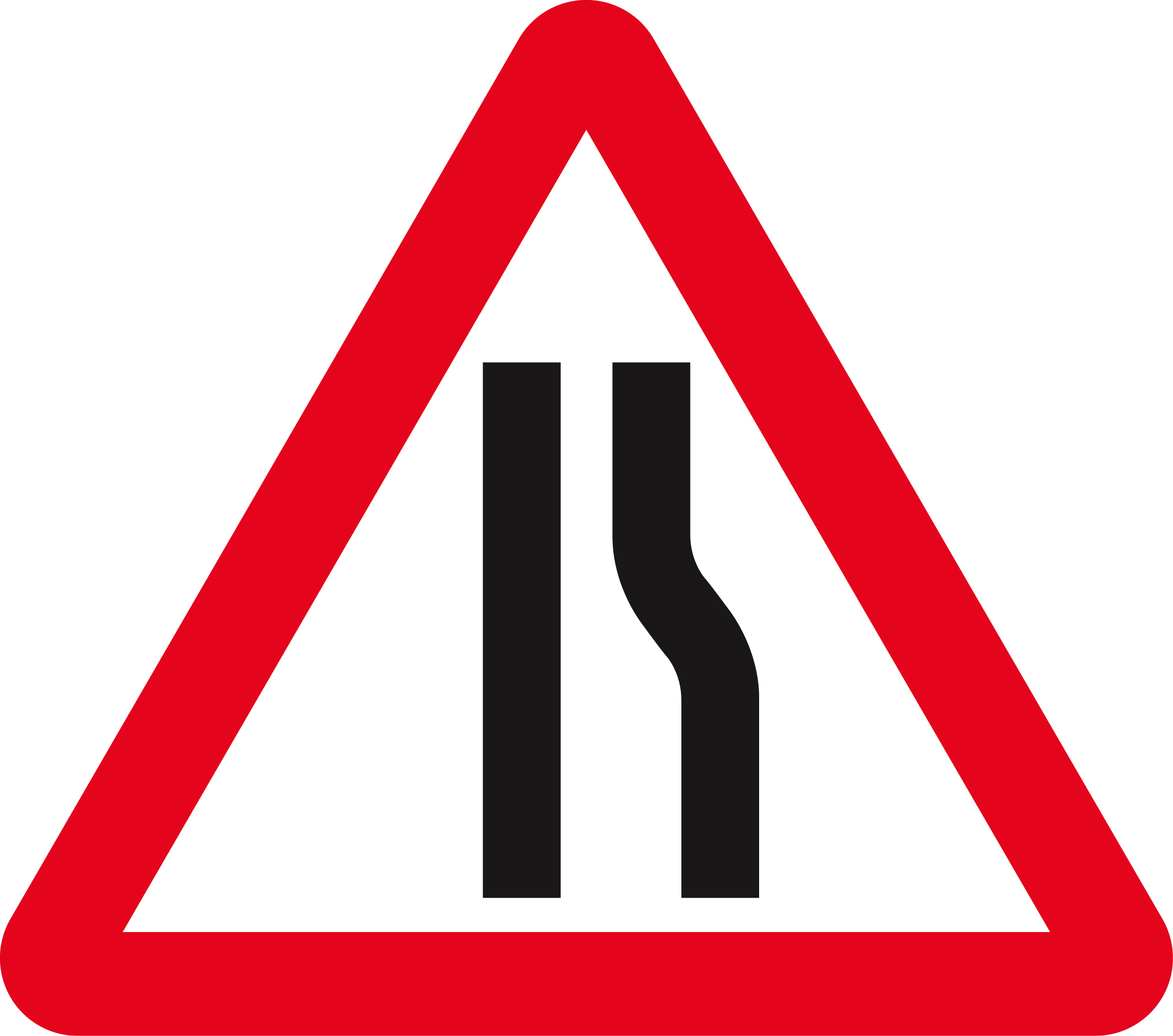
Construction Zones
Singapore's continuous infrastructure development means frequent road works and lane closures. Temporary speed limits and lane diversions are common, especially at night. Follow advisory signs and reduce speed through construction zones.
Night Driving & Glare
Despite good street lighting, night driving presents hazards from oncoming headlight glare, especially on undivided roads. Rain at night compounds visibility issues. Singapore's roads are well-lit but expressway merging points and slip roads require extra caution.
Singapore Driving Test Centres
Singapore has 3 authorised driving schools plus Traffic Police test routes
- 1BBDC (Bukit Batok Driving Centre)Bukit Batok~S$2,700–3,000
- 2SSDC (Singapore Safety Driving Centre)Woodlands~S$2,750–3,200
- 3CDC (ComfortDelGro Driving Centre)Ubi~S$2,850–3,500
Singapore is a city-state with no regional divisions in driving rules. All 3 driving centres are authorised by the Traffic Police to conduct BTT, FTT, and practical tests. Private instructors are also available but students must book tests through a driving centre. Costs include enrolment, lessons, and test fees.
Myth: Singapore's BAC limit is very strict
Fact: At 0.08% BAC, Singapore's alcohol limit is actually the same as the USA and UK — not strict by global standards. Japan is 0.03%, UAE is zero tolerance, and many European countries are 0.05%. However, Singapore's enforcement and penalties (imprisonment + driving ban) are severe.
Myth: You need a car to get around Singapore
Fact: Singapore has world-class public transport — MRT, buses, and ride-hailing cover the entire island. Car ownership is deliberately expensive (COE S$100K+) to manage congestion. Many Singaporeans choose not to own a car. Only about 12% of the population holds a driving licence.
Myth: COE is a tax on the car
Fact: COE (Certificate of Entitlement) is not a tax — it is a certificate granting the RIGHT to own and use a vehicle for 10 years. It is separate from the car price, road tax, insurance, and other charges. COE prices are set by open bidding and fluctuate based on supply and demand.
Myth: Foreign driving licences are automatically valid in Singapore
Fact: Foreign licences are valid for up to 12 months (with IDP) for visitors. However, new Singapore citizens and PRs must convert within 3 months of obtaining status; Work Permit holders have 6 months; other foreigners have 12 months. Conversion from non-scheduled countries requires passing the BTT, FTT, and practical test. A road assessment may also be required.
Myth: A Class 3A (automatic) licence allows you to drive manual cars
Fact: Class 3A holders can ONLY drive vehicles with automatic transmission. To drive manual cars, you need a Class 3 licence. Class 3 holders can drive both manual and automatic vehicles. You cannot 'upgrade' from 3A to 3 without retaking the practical test in a manual car.
Myth: ERP charges are the same all day
Fact: ERP rates vary significantly by time, location, and vehicle type. Peak hours (7:30–9:30 AM, 5:30–8:00 PM) cost 2–4× more than off-peak. Some gantries are only active during peak hours. Rates are reviewed quarterly by LTA. ERP 2.0 (GNSS-based) will enable even more dynamic, distance-based pricing.
Recent Changes to Singapore Driving Laws
Key regulatory updates affecting drivers in Singapore
Enhanced speeding penalties — increased fines and demerit points
From January 2026, speeding fines have been increased by S$50–100 across most tiers, with additional demerit points for higher excess speeds. This is part of Singapore's ongoing effort to reduce road fatalities and dangerous driving behaviour.
School zone 40 km/h becomes all-day permanent
The 40 km/h speed limit in school zones, previously time-restricted, is now permanent and applies all day. This follows a review of school zone safety after pedestrian incidents involving students.
Driving test fee increases — BTT/FTT and practical test
From March 2026, theory test fees increase from S$6.50 to S$7.20 each (BTT and FTT), and the practical driving test fee increases from S$33 to S$40. These are the first fee increases in several years.
ERP 2.0 rollout — GNSS-based electronic road pricing
Singapore is progressively replacing the current gantry-based ERP system with ERP 2.0, a satellite-based (GNSS) system. ERP 2.0 will enable distance-based and time-based charging without physical gantries. Full rollout expected by 2027.
Revised vehicle inspection requirements for taxis and PHCs
From January 2025, revised inspection schedules apply to taxis and private-hire cars (PHCs), with more frequent checks for higher-mileage vehicles. This aligns with the growth of ride-hailing services in Singapore.
How Singapore Compares Globally
Singapore driving regulations compared to other countries — data compiled from official government sources
StrictestIn betweenMost lenientBAC limit and minimum age
| Parameter | Singapore | Japan | UAE | Germany | USA |
|---|---|---|---|---|---|
| BAC Limit | 0.08% | 0.03% | 0.0% | 0.05% | 0.08% |
| Min. Age (Car) | 18 | 18 | 18 | 18 | 16 |
| Driving Side | Left | Left | Right | Right | Right |
| Highway Speed | 90 | 100 | 120–140 | No limit* | 105–137 |
| Test Questions | 50 | 100 | 35 | 30 MCQ | 20–50 |
| Licence Cost | S$2.5–3.5K | ¥250–350K | AED 4.5–7K | €2–3.5K | $30–90 |
| Road Deaths/yr | 149 | 2,678 | ~352 | 2,839 | 40,901 |
| Deaths/100K | ~2.5 | ~2.2 | ~3.5 | ~3.4 | 12.2 |
BAC Limit
Singapore: 0.08%Japan: 0.03%UAE: 0.0%Germany: 0.05%USA: 0.08%Min. Age (Car)
Singapore: 18Japan: 18UAE: 18Germany: 18USA: 16Driving Side
Singapore: LeftJapan: LeftUAE: RightGermany: RightUSA: RightHighway Speed
Singapore: 90Japan: 100UAE: 120–140Germany: No limit*USA: 105–137Test Questions
Singapore: 50Japan: 100UAE: 35Germany: 30 MCQUSA: 20–50Licence Cost
Singapore: S$2.5–3.5KJapan: ¥250–350KUAE: AED 4.5–7KGermany: €2–3.5KUSA: $30–90Road Deaths/yr
Singapore: 149Japan: 2,678UAE: ~352Germany: 2,839USA: 40,901Deaths/100K
Singapore: ~2.5Japan: ~2.2UAE: ~3.5Germany: ~3.4USA: 12.2
Singapore
Same as USA and UK. Japan 0.03%, UAE zero tolerance, Germany 0.05%. Singapore's penalties are severe despite the higher limit.
Same as Japan and Germany. UAE 18. USA allows from 16. Singapore has no learner driving under 18.
Singapore's expressway max is 90 km/h — lower than most countries. Japan 100, UAE 120–140, Germany no limit* on Autobahn.
~$1,900–2,600 USD for the licence. But car ownership adds COE S$100K+ — world's most expensive.
~2.5 per 100K. Japan ~2.2, UAE ~3.5, Germany ~3.4, USA 12.2.
Road deaths: Singapore 149 (Traffic Police 2025), Japan 2,678 (NPA 2023), UAE 352 (MOI 2024), Germany 2,839 (Destatis 2023), USA 40,901 (NHTSA 2023). Per-100K rates calculated from national population data. *Germany has no general speed limit on certain Autobahn sections. Singapore's COE system makes total car ownership cost (not just licence cost) the highest in the world.
Primary Sources
Verification Methodology
Every fact on this page has been cross-referenced against at least two authoritative sources. Our process:
- 1Primary data collected from official Traffic Police publications, Road Traffic Act (sso.agc.gov.sg), and LTA statistics
- 2Cross-verified against OneMotoring, SCDF, MHA, and international road safety databases
- 3National regulations apply uniformly across Singapore — no regional variations in traffic law
- 4Page reviewed and fact-checked on March 26, 2026
If you find an error, please contact us so we can correct it immediately.
Frequently Asked Questions
How much does it cost to get a driving licence in Singapore?
The total cost for a Class 3/3A licence via a driving school is typically S$2,500–3,500. This includes: enrolment fee S$50–150, driving lessons S$800–2,400, BTT S$6.50, FTT S$6.50, practical test S$33, PDL S$25, and QDL S$50. BBDC ~S$2,700–3,000, SSDC ~S$2,750–3,200, CDC ~S$2,850–3,500. Car ownership additionally requires a COE (S$100K+).
What is the BTT (Basic Theory Test) format?
The BTT consists of 50 multiple-choice questions to be completed in 50 minutes. Pass mark: 90% (45/50 correct). Fee: S$6.50 (→S$7.20 from March 2026). Computer-based at BBDC, SSDC, or CDC. Covers basic traffic rules, road signs, and highway code. Available in English and Chinese. Must be passed before starting practical lessons.
What are the speed limits in Singapore?
Silver Zones: 30–40 km/h. School zones: 40 km/h (all-day permanent from Jan 2026). Urban roads: 50 km/h. Arterial roads: 60–70 km/h. Expressways: 90 km/h. P-plate drivers: max 90 km/h on expressways. Heavy vehicles: 60 km/h on roads, 60–70 km/h on expressways.
What is the BAC limit in Singapore?
0.08% BAC (80mg per 100ml blood) — the same as USA and UK. 1st offence: S$2,000–10,000 fine and/or up to 12 months imprisonment + minimum 2-year driving ban. 2nd offence: S$5,000–20,000 + mandatory imprisonment up to 2 years + 5-year ban. Random breath tests are conducted.
What is COE and why is it so expensive?
COE (Certificate of Entitlement) grants the right to own and use a vehicle in Singapore for 10 years. Prices are set by open bidding — currently S$100K–118K for cars (2026). Singapore deliberately limits vehicle numbers to manage congestion and land use. This makes Singapore the world's most expensive place to own a car.
How does the demerit points system work?
DIPS: 24 points in 24 months = suspension (1st: 12 weeks, 2nd: 24 weeks, 3rd+: revocation). New drivers (probation): 13 points = revocation. Phone use: 12 pts. Red light: 12 pts. Speeding 1–20 over: 6 pts. 21–30 over: 8 pts. 31–40 over: 12 pts. 41–50 over: 18 pts.
What is ERP and how much does it cost?
ERP (Electronic Road Pricing) charges variable tolls via gantries to manage congestion. Rates: S$0.50–6.00 per pass, varying by time, location, and vehicle type. Peak hours cost 2–4× off-peak. All vehicles need an IU with CashCard. ERP 2.0 (GNSS-based) is rolling out 2025–2027, replacing physical gantries.
Can I drive in Singapore with a foreign licence?
Visitors: yes, for up to 12 months with a valid foreign licence and IDP. New citizens/PRs must convert within 3 months of obtaining status; Work Permit holders: 6 months; other foreigners: 12 months. Scheduled countries (UK, Australia, Japan, etc.): direct conversion with road assessment. Non-scheduled countries: must pass BTT, FTT, and practical test.
What are the emergency numbers in Singapore?
Fire & Ambulance (SCDF): 995. Police: 999. Non-emergency ambulance: 1777. Traffic Police hotline: 6547 0000. All emergency numbers are toll-free and available 24/7.
What is the P-plate requirement for new drivers?
New drivers must serve a 1-year probation period: display a triangular P-plate, maximum 90 km/h on expressways, and a reduced DIPS threshold of 13 points (vs 24). Accumulating 13 points during probation results in licence revocation — you must retake all tests from scratch.
How often must vehicles be inspected?
Under 3 years: no inspection required. 3–10 years: inspection every 2 years. 10+ years: annual inspection. Taxis and private-hire cars have more frequent inspection requirements (revised January 2025). Inspections are conducted at authorised inspection centres.
What is the fine for using a phone while driving?
S$500 fine + 12 demerit points (1st offence). Repeat offence: court prosecution. Even holding the phone briefly is illegal — only hands-free systems are permitted. 24 points in 24 months = licence suspension; new drivers: 13 points = revocation.
What is the difference between Class 3 and Class 3A licence?
Class 3 allows you to drive both manual and automatic cars. Class 3A allows ONLY automatic transmission vehicles. You cannot 'upgrade' from 3A to 3 without retaking the practical test in a manual car. Class 3 is more versatile but requires learning manual driving.
How long is a Singapore driving licence valid?
Citizens and permanent residents under 65: valid until age 65 (no renewal needed). Aged 65+: 3-year validity, requires medical examination for each renewal. Foreign licence holders: 5 years, must renew with valid pass.
How old do you have to be to drive in Singapore?
Car (Class 3/3A): 18 years. Motorcycle (Class 2B): 18 years. Heavy vehicle (Class 4): 21 years. There is no learner driving under 18 in Singapore — you must be 18 to enrol at a driving school and obtain a provisional licence.
APA 7th
AutoviaTest. (2026). Singapore driving licence 2026 — The complete guide. AutoviaTest. https://autoviatest.com/en/driving-test/singapore/facts
MLA 9th
"Singapore Driving Licence 2026 — The Complete Guide." AutoviaTest, 2026, autoviatest.com/en/driving-test/singapore/facts.
Chicago 17th
AutoviaTest. "Singapore Driving Licence 2026 — The Complete Guide." AutoviaTest. Accessed March 26, 2026. https://autoviatest.com/en/driving-test/singapore/facts.
Ready to Pass Your Singapore Driving Test?
Practice with real exam-style questions covering all topics on the BTT and FTT. 50 questions, 90% pass mark — be prepared.
More Country Driving Guides
 India Driving Licence Facts 2026RTO test format, fees, speed limits, and traffic fines across 36 statesGermany Driving Licence Facts 2026TÜV/DEKRA test, Führerschein costs, Autobahn rules, and traffic finesJapan Driving Licence Facts 2026NPA test format, 運転免許 costs, speed limits, and shaken vehicle inspectionUAE Driving Licence Facts 2026RTA test format, fees, speed limits, and traffic fines across all emirates