LAutoviaTest
퀴즈강의위험 예측이용 방법요금제블로그
로그인무료로 시작하기
🚦
📝 Theory TestIntermediate12 min

Traffic Signs Mastery

Learn to recognize and understand every road sign you'll encounter

Traffic signs form a universal language of the road. Understanding them is not just essential for passing your theory test - it's crucial for safe driving throughout your life. This guide will help you master all types of road signs using proven learning techniques.

AE

AutoviaTest Editorial Team

Driving Education Experts

Last updated: January 2, 2026Reviewed by AutoviaTest Editorial Team

In This Guide

1. Sign Shape Meanings2. Regulatory Signs3. Warning Signs4. Information Signs5. Temporary Signs6. Road Markings7. Memory Techniques for Signs

1. Sign Shape Meanings

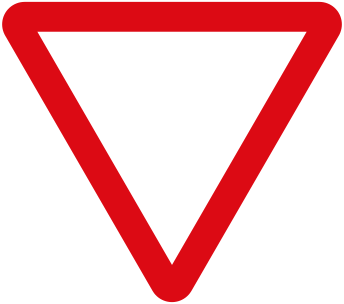
The shape of a sign tells you its category before you even read it. Circles give orders - red circles prohibit, blue circles give positive instructions. Triangles warn of hazards ahead. Rectangles provide information. Octagons mean STOP (the only octagonal sign). Inverted triangles mean give way. Learn shapes first, then specific signs.

2. Regulatory Signs

Regulatory signs tell you what you must or must not do. Red circles with diagonal lines prohibit actions (no entry, no overtaking). Blue circles give mandatory instructions (minimum speed, direction). Speed limit signs are the most common regulatory signs. Breaking regulatory sign rules results in penalties.

3. Warning Signs

Warning signs alert you to hazards ahead. Most are triangular with red borders. They cover road conditions (bends, slopes, narrow roads), intersections and junctions, pedestrian and animal crossings, and road works. The warning gives you time to adjust speed and attention. Some warnings include distance plates.

4. Information Signs

Information signs are typically rectangular. Blue backgrounds on motorways, green on primary routes, white for local information. They show directions, distances, facilities, and parking information. Town boundary signs, tourist attraction signs, and service area signs all fall into this category.

5. Temporary Signs

Temporary signs usually have yellow backgrounds. They indicate road works, diversions, lane closures, and temporary speed limits. Always obey temporary signs - they override permanent ones. Workers' safety and your safety depend on compliance.

6. Road Markings

Road markings complement signs. White lines separate traffic flowing the same direction. Yellow/amber lines indicate waiting restrictions. Double lines mean no crossing. Broken lines allow crossing when safe. Box junctions, zebra crossings, and other markings all have specific rules.

7. Memory Techniques for Signs

Group similar signs together for learning. Create stories or associations for complex signs. Use the "look-cover-check" method. Practice with flashcard apps. Drive (or ride as passenger) and identify signs in real life. Quiz yourself regularly. Focus on signs you find confusing.

Key Takeaways

  • Learn sign shapes and colors first - they tell you the category immediately
  • Regulatory signs (circles) give orders; warning signs (triangles) alert to hazards
  • Temporary signs override permanent ones - always obey them
  • Practice identifying signs in real-world driving situations

Pro Tips

Create a sign recognition game - count specific signs on journeys

Focus extra attention on signs that confuse you - make targeted flashcards

Learn the logic behind signs, not just the meaning - it helps memory

Test yourself with signs in unusual contexts or partially obscured

Common Mistakes to Avoid

  • Trying to memorize signs without understanding the shape/color system
  • Ignoring temporary road signs during construction periods
  • Confusing similar signs like different types of no entry or one-way signs

Related Guides

📚The Ultimate Theory Test Guide🎯Pass Your Theory Test First Time📅Theory Test Study Plan

Ready to Test Your Knowledge?

Apply what you've learned with our interactive practice tests and quizzes.

Start Practicing Now
View all test preparation guides

Ready to Ace Your Driving Test?

Everything you need to pass on your first attempt

📝

30+ Practice Tests

Real exam questions

T

Tess AI Coach

Personalized guidance

📚

16 Lessons

Interactive learning

📊

Progress Tracking

Performance insights

Start Practicing Free→
LAutoviaTest

운전면허 시험 준비를 위한 글로벌 파트너. 자신감 있게 시험에 합격하세요.

YouTube에서 팔로우Instagram에서 팔로우TikTok에서 팔로우

학습 자료

  • 연습 퀴즈
  • 강의
  • 모의시험
  • 요금제
  • 블로그

학원용

  • 운전학원용
  • 학원 로그인
  • 문의하기

자료

  • 운전면허 시험
  • 시험 가이드
  • 도로 안전
  • 기업 도로 안전
  • 도로 안전 인증 프로토콜 (RSCP)
  • 도로 표지판
  • 자주 묻는 질문
  • 해외 운전 가이드
  • 유럽에서의 운전
  • 미국에서의 운전
  • 외국인 면허 가이드
  • 교통법규 리포트
  • 운전학원
  • 2026년 규정 변경

면허 종류

  • 승용차 면허 (B)
  • 이륜차 면허 (A)
  • 화물차 면허 (C)
  • 버스 면허 (D)
  • 원동기 면허 (AM)
  • 모든 면허 종류 보기 →

도시 가이드

  • 바르셀로나
  • 파리
  • 로마
  • 런던
  • 방콕
  • 도쿄
  • 모든 도시 가이드 보기 →

인기 도시

  • 마드리드
  • 바르셀로나
  • 파리
  • 베를린
  • 로마
  • 런던
  • 모든 도시 보기 →

위험 예측

  • 스페인
  • 프랑스
  • 독일
  • 이탈리아
  • 네덜란드
  • 포르투갈
  • 영국
  • 폴란드
  • 스위스
  • 덴마크
  • 스웨덴

법적 정보

  • 개인정보 처리방침
  • 이용 약관
  • 쿠키 정책
  • 편집 지침
  • 문의하기

AutoviaTest는 독립적인 교육 플랫폼입니다. 저희는 공식 정부 운전면허 시험 기관(스페인 운전시험, 영국 DVSA, 미국 DMV 등을 포함하되 이에 국한되지 않음)과 제휴, 후원, 또는 연결 관계가 없습니다. 이 플랫폼에서 제공하는 모의시험, 문제 및 자료는 교육 및 준비 목적으로만 제공됩니다. 공식 운전면허 시험 준비를 돕기 위해 설계되었지만 합격을 보장하지는 않습니다. 최신 시험 요구 사항 및 정보는 항상 공식 시험 기관을 참조하세요.

© 2026 AutoviaTest. All rights reserved.