
How Does Your Country Really Compare?
We compiled official data from transport agencies in 67 countries to compare licence costs, road fatalities, alcohol limits, speed limits, minimum driving age, and theory test formats. Hover over any country to explore, or click for the full guide.
 Nigeria
 Switzerland
Driving data for 67 countries
Licence cost from $30 (Nigeria) to $3,360 (Switzerland). Every country is in the table below.
Licence cost (USD)
- Under $500
- $500–$1K
- $1K–$1.5K
- $1.5K–$2K
- $2K–$2.5K
- $2.5K+
- No data
Key takeaways
Licence costs range from $30 (Nigeria) to $3,360 (Switzerland) — a 112x difference driven primarily by mandatory driving school requirements.
Countries with expensive licences (Norway, Sweden, Japan) consistently have the lowest road death rates — around 2 per 100,000 people.
13 countries enforce zero blood alcohol tolerance for drivers: Bahrain, Brazil, Czechia, Hungary, Kuwait, Oman, Qatar, Romania, Saudi Arabia, Slovakia, UAE, Uruguay, and Vietnam.
The minimum driving age is 16 in 6 countries (US, Australia, Canada, Colombia, Israel, New Zealand) and 18 in most of Europe and Asia.
Theory test difficulty varies wildly: from 8 questions in Egypt to 95 in Japan, with pass rates and formats differing significantly.
Key findings: Driving data worldwide
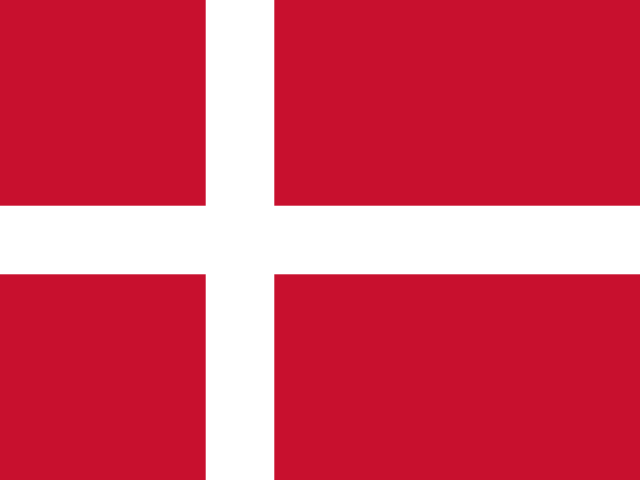
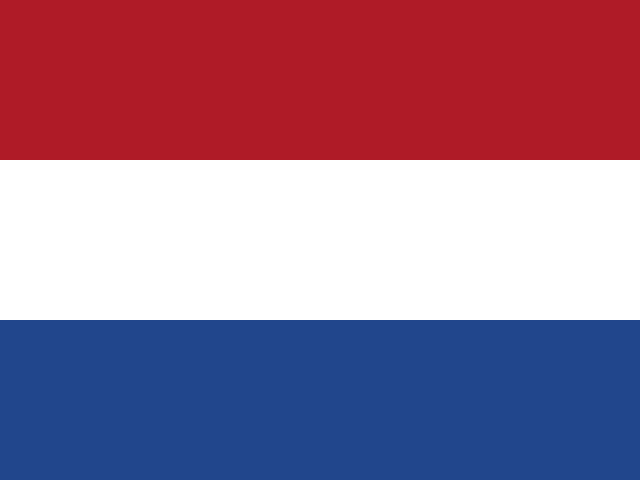
The cost of obtaining a driving licence varies dramatically around the world. In countries like Nigeria ($30) and India ($50), driving school is optional and the government fee covers most of the expense. In contrast, European nations like Switzerland ($3,360), Denmark ($3,262), and Netherlands ($3,240) require mandatory driving school, resulting in total costs exceeding $3,000.
Our data reveals a clear correlation between licence cost and road safety. Countries with the highest licensing costs — such as Norway, Sweden, and Japan — consistently report the lowest road fatality rates (around 2 deaths per 100,000 people). Meanwhile, countries with cheaper and less regulated licensing processes tend to have higher fatality rates.
Alcohol limits also vary significantly. 13 countries, including Bahrain, Brazil, Czechia, Hungary, Kuwait, Oman, Qatar, Romania, Saudi Arabia, Slovakia, UAE, Uruguay, and Vietnam, enforce zero-tolerance blood alcohol policies. Most European countries set the limit at 0.05%, while the US, UK, and Singapore allow up to 0.08%.
112xSwitzerland spends 112x more on licensing than Nigeria — but has 7.2x fewer road deaths per capita.
1313 countries enforce zero-tolerance blood alcohol policies for drivers — the strictest drink driving laws in the world.
10xJapan's theory test (95 questions) is nearly 10x harder than Egypt's (8 questions), yet both countries require a practical driving exam.
Regional overview
Europe(Avg. licence cost ~$1764)
Most European countries require mandatory driving school, pushing total costs above $1,500. Nordic countries report some of the lowest road fatality rates worldwide despite having the highest speed limits in the EU. Zero-tolerance BAC countries include Czechia, Hungary, and Romania.
Americas(Avg. licence cost ~$436)
North and South America are generally more affordable for licensing. The US allows driving from age 16 with a 0.08% BAC limit. Brazil and Colombia enforce near-zero alcohol tolerance. Speed limits range from 110 to 130 km/h across the region.
Asia-Pacific(Avg. licence cost ~$859)
Asia shows wide variation across all metrics. India ($50) is among the cheapest for licensing, while Japan ($2,001) has one of the hardest theory tests (95 questions). Australia and New Zealand allow driving from age 16. Vietnam enforces zero-tolerance BAC.
Middle East(Avg. licence cost ~$1029)
Most Middle Eastern countries enforce zero-tolerance alcohol policies and have highway speed limits of 120–140 km/h. Saudi Arabia and UAE share the highest speed limits in our dataset (140 km/h). The minimum driving age is 18 across the region.
Driving data comparison table
Countries ranked by licence cost, with road safety and rule data side by side.
Most affordable licences




Most expensive licences



All 67 countries
- Road deaths per 100K
- Under 5
- 5–12
- 12 and over





























Frequently asked questions
Which country has the most expensive driving licence?
Switzerland has the most expensive driving licence at approximately $3,360 USD, including mandatory driving school, theory and practical tests, and administrative fees. Other expensive countries include Denmark ($3,262), Netherlands ($3,240), and Liechtenstein ($3,100).
Which country has the cheapest driving licence?
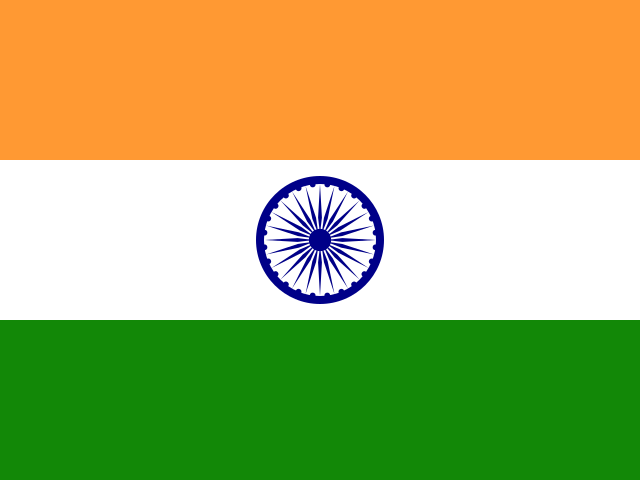
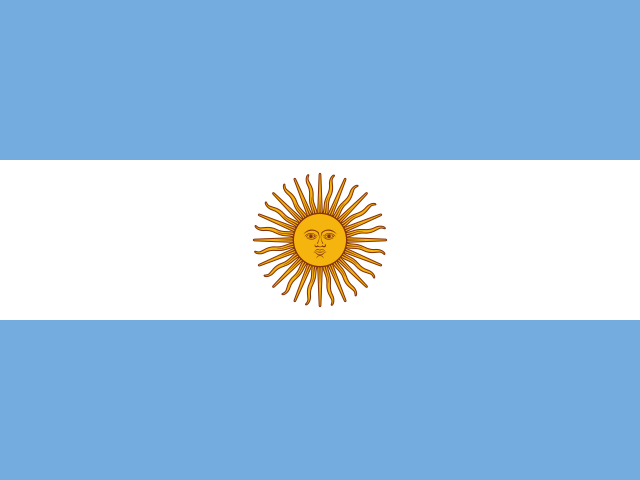
Nigeria has the cheapest driving licence at approximately $30 USD, as driving school is optional and the cost covers only the government-issued licence fee. India ($50), Egypt ($75), and Argentina ($140) are also among the cheapest.
What is the average cost of a driving licence worldwide?
The average cost across 67 surveyed countries is approximately $1148 USD. European countries tend to be the most expensive due to mandatory driving school requirements, while countries in Asia and Latin America are often cheaper.
Which country has the hardest driving theory test?
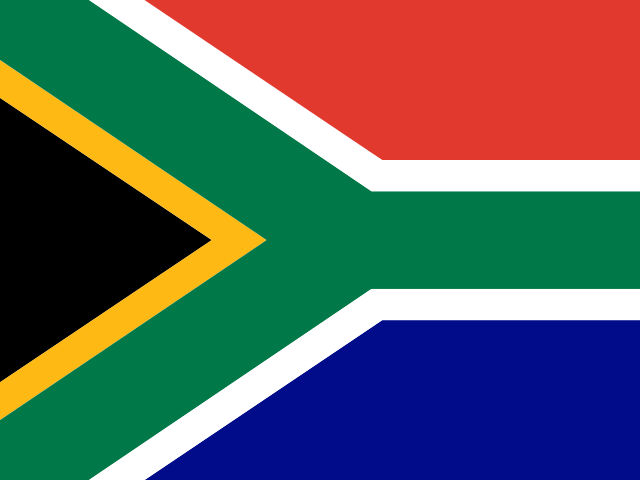
Japan has one of the hardest driving theory tests with 95 questions. Other demanding tests include Finland and Sweden (70 questions each), South Africa (64 questions), and Hungary (55 questions).
Which countries have zero alcohol tolerance for drivers?
Bahrain, Brazil, Czechia, Hungary, Kuwait, Oman, Qatar, Romania, Saudi Arabia, Slovakia, UAE, Uruguay, and Vietnam all have zero blood alcohol tolerance for drivers. Countries with very low limits (0.02%) include Colombia, Estonia, Iceland, Morocco, Norway, Poland, Serbia, Sweden, and Ukraine.
How much does a driving licence cost in Europe?
European driving licences range from around $556 in Turkey to $3,360 in Switzerland. The average across European countries in our dataset is approximately $1,764 USD. Mandatory driving school in most EU countries is the primary cost driver.
Which countries have the safest roads?
Hong Kong, Norway, and Singapore report the lowest road fatality rates, from 1.2 to 1.9 deaths per 100,000 people. Sweden (2), Malta (2.1), Denmark (2.3), and Iceland (2.4) also rank among the safest. These countries typically have strict licensing requirements and comprehensive driver education.
What is the minimum driving age in different countries?
The minimum driving age ranges from 16 (in the US, Australia, Canada, Colombia, Israel, and New Zealand) to 18 (in most European and Asian countries). Some countries like Argentina and Belgium allow driving from age 17.
Is it cheaper to get a driving licence in the US or Europe?
The US is significantly cheaper — around $900 for a driving licence compared to roughly $1,764 in Europe. The main difference is that most European countries require mandatory driving school (40–60 hours), while the US allows self-study and practice with a licensed adult.
Which country has the strictest drink driving laws?
Saudi Arabia and the UAE have the strictest laws with absolute zero tolerance and severe criminal penalties. In terms of BAC limits, Brazil, Czechia, Hungary, Romania, and Vietnam also enforce 0.00%. Among countries that allow some alcohol, Norway, Sweden, Poland, and Iceland have the lowest limit at 0.02%.
Why is a driving licence so expensive in Norway?
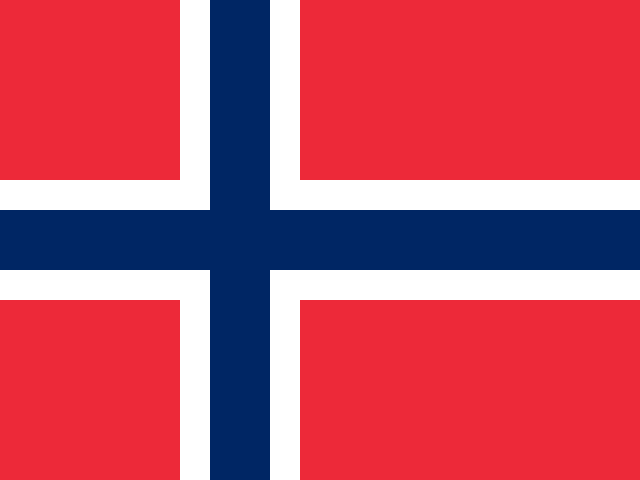
Norway's $3,000 average cost reflects mandatory driving school with extensive training including night driving, slippery road courses, and first aid. This rigorous system contributes to Norway having one of the lowest road fatality rates in the world (1.5 per 100,000), suggesting the investment pays off in road safety.
Cite this page
APA
AutoviaTest. (2026, March 28). World driving data: Costs, road safety & rules compared. https://autoviatest.com/en/data/world-driving-data
MLA
AutoviaTest. "World Driving Data: Costs, Road Safety & Rules Compared." AutoviaTest, 28 Mar. 2026, autoviatest.com/en/data/world-driving-data.
Chicago
AutoviaTest. "World Driving Data: Costs, Road Safety & Rules Compared." Last modified March 28, 2026. https://autoviatest.com/en/data/world-driving-data.
Sources & methodology
Primary sources
- Official government transport agencies (DGT, DVLA, TÜV, ANTS, CBR, etc.)
- WHO Global Status Report on Road Safety
- European Transport Safety Council (ETSC)
- National statistical offices and road safety authorities
Methodology
- Data collected from official government websites and verified publications
- Licence costs include all mandatory fees (school, tests, admin) where applicable
- Costs converted to USD at mid-2026 exchange rates
- Road fatality data from latest available year (2023–2025)
Ready to practice for your driving test?
Free practice tests and detailed explanations in 24 languages.